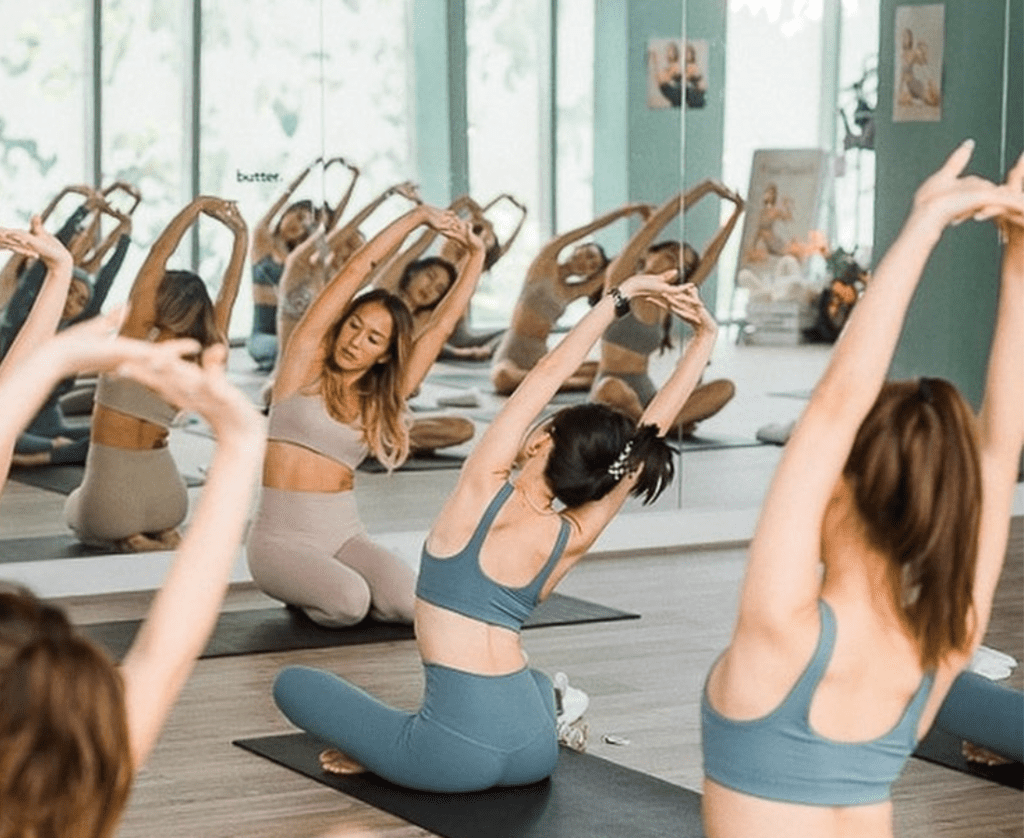
Regular yoga practice exposes the skin to sweat, fabric, pressure, shared surfaces and repeated cleansing. None of these factors is automatically problematic, but their combined effect can cause irritation when the same routine is repeated several times each week.
People attending a yoga studio Singapore may also arrive after walking through humid conditions or commuting on public transport. A useful skincare routine should therefore account for the journey, the class environment and what happens after practice.
Sweat Changes the Skin Environment
Sweating helps the body manage heat. The concern is not sweat itself, but what happens when moisture remains trapped alongside oil, cosmetics and damp fabric.
During yoga, the hands, forearms, knees, shoulders, back and face may repeatedly contact the mat. Heated classes increase moisture, while slower sessions can involve longer periods of pressure against one surface.
Skin responses differ. Some practitioners tolerate damp clothing without difficulty, while others experience redness, itching or clogged pores. Personal patterns matter more than a universal rule.
Heavy Products Can Become Uncomfortable
Thick makeup, heavy moisturisers and oily hair products may mix with sweat during practice. Residue can collect around the hairline, neck, chest and shoulders.
Removing heavy makeup before class may improve comfort, especially for hot or dynamic sessions. However, aggressive cleansing immediately before exercise can leave sensitive skin feeling dry.
A gentle approach is more sustainable. Practitioners can remove products likely to run or transfer without scrubbing the skin until it feels stripped.
Friction Is Often the Main Irritant
Exercise-related irritation is frequently influenced by rubbing rather than sweat alone. Waistbands, bra bands, seams and damp fabric can move repeatedly across the same area.
Yoga also creates friction through folds, floor transitions and contact between the arms and torso. Aerial Yoga introduces hammock contact, while Yoga Wheel practice places pressure along the back and shoulders.
Very tight clothing is not always the solution. Excessive compression can create pressure points. Garments should remain stable without digging into the skin or restricting movement.
Fabric Should Match the Class Format
A material that works well during gentle yoga may feel different in a heated session. Some fabrics retain moisture, while others dry quickly but feel rough against sensitive skin.
Seam placement is equally important. Thick seams around the underarms, waist or inner thighs can become irritating during repeated movement.
Practitioners should judge clothing by how it behaves after a complete class. A simple outfit that stays in place may be more useful than a fashionable option requiring constant adjustment.
Mat Care Affects Skin and Grip
A yoga mat collects sweat, skin oils and residue from body products. Cleaning frequency should reflect how often the mat is used and how much sweating occurs.
Using too much cleaner can leave a slippery film. Strong homemade mixtures may also damage the mat surface. Following the manufacturer’s instructions is safer than assuming a harsher solution will clean better.
The mat should dry completely before being rolled and stored. Trapped moisture can produce odour and make the next class less comfortable.
Shared Equipment Needs Sensible Hygiene
Studio classes may involve blocks, straps, bolsters, chairs, wheels or hammocks. Practitioners do not need to fear shared equipment, but basic hygiene remains appropriate.
Hands should be reasonably clean, and visible cuts should be covered. After a sweaty session, equipment should be cleaned according to studio procedures.
People with reactive skin may prefer a personal towel or small props. This is a practical choice rather than proof that shared equipment is unsafe.
Change Out of Damp Clothing Promptly
Remaining in sweaty clothing for a long period can increase rubbing and discomfort. Changing soon after class is often more helpful than applying several skincare products.
If showers are available, a gentle wash can remove sweat and residue. Very hot water and strong cleansers may dry the skin, particularly for people who attend classes frequently.
When an immediate shower is not possible, changing into dry clothing and gently cleaning irritation-prone areas can improve comfort until a full wash is available.
Avoid Over-Cleansing
Frequent practitioners may shower more often than usual. If every shower involves hot water, strong cleanser and exfoliation, the routine may become more irritating than the activity.
Mild cleansing and a suitable moisturiser are often enough. Exfoliating after every class is rarely necessary and may increase sensitivity.
The aim is to remove sweat and residue while preserving comfort. Skin does not need to feel tight or completely oil-free to be clean.
Heated Yoga Requires Small Adjustments
Heated classes produce more sweat and may encourage repeated face wiping. Rough rubbing can increase irritation around the cheeks, nose and hairline.
A soft towel can be used to blot rather than drag across the skin. Hair should be secured without excessive tension and kept away from the face where possible.
Cooling down, changing clothes and restoring fluid intake should take priority after class. An elaborate beauty routine can wait until the body feels comfortable.
Hair and Scalp Care Varies by Person
Sweat commonly collects along the scalp and hairline. Washing after every class may not suit every hair type, while leaving the scalp damp for long periods can also be uncomfortable.
Some practitioners rinse after lighter sessions and schedule a full wash after heated classes. The right frequency depends on hair texture, styling and scalp response.
Tight hairstyles may interfere with floor positions. A secure style that does not create a hard pressure point at the back of the head is usually more practical.
Change One Variable at a Time
When irritation develops, replacing every product and garment at once makes the cause difficult to identify. A better approach is to change one variable and observe the response.
The issue might involve detergent, fabric, cleanser, mat spray or repeated friction in a specific class. Keeping brief notes can reveal patterns without turning skincare into a complicated project.
Persistent or painful symptoms should be assessed by a qualified healthcare professional rather than managed solely through fitness advice.
Keep the Routine Simple
Practitioners exploring traditional, heated and specialised formats through Yoga Edition can adapt their routine according to sweat, equipment contact and class intensity. A restorative session will not create the same skin demands as hot or aerial yoga.
Effective studio skincare does not require a separate product for every problem. Reducing avoidable friction, changing out of damp clothing and cleansing gently provide a practical foundation for regular practice.