

July 2025

Health

Breaking the Plateau: How Spin Studio Routines in Singapore Help You Push Past Limits

Understanding the Fitness Plateau

Every fitness journey includes peaks and valleys. At some point, progress seems to stall despite regular effort. This is known as a fitness plateau, a phase where your body becomes so efficient at your workout that improvements in endurance, strength, or fat loss slow down or stop completely.

If you’ve been cycling outdoors or doing the same gym routine repeatedly and feel stuck, it’s not just in your head. Your body adapts quickly, which is why you need strategic variation, intensity, and structure to break through. That’s exactly where a spin studio Singapore can make the difference.

Spin studios offer more than just indoor bikes—they provide expertly curated routines, data-driven feedback, and targeted programming that pushes past plateaus and reignites results.

Why Plateaus Happen in Traditional Workouts

Before diving into the solutions, it’s useful to understand why plateaus happen:

  • Lack of progressive overload: Doing the same workout at the same intensity leads to diminishing returns.

  • No tracking of metrics: Without tracking speed, resistance, or duration, it’s easy to under-train.

  • Inconsistent effort: Motivation dips when you work out alone, leading to suboptimal performance.

  • Overtraining without recovery: Repetitive workouts without variation or rest can exhaust your nervous system and delay progress.

Spin studio routines are designed to address these issues by applying structured progression and real-time performance monitoring.

How Spin Studios Help You Break Through

Structured Interval Training

Spin classes typically follow a High-Intensity Interval Training (HIIT) format. These structured bursts of effort followed by recovery periods stimulate muscle fibres, increase aerobic capacity, and reignite metabolic burn.

At TFX Singapore, every spin class includes carefully timed climbs, sprints, and active recovery phases that force your body to adapt in new ways—exactly what’s needed to overcome a plateau.

Progressive Resistance

Unlike steady-state cardio, spin classes allow you to increase resistance incrementally. This builds lower-body strength while keeping your heart rate elevated. The controlled resistance on spin bikes mimics hill climbs, helping you develop power and muscular endurance over time.

By adjusting the resistance week after week, you’re applying progressive overload—a key principle for continued improvement.

Performance Tracking

Modern spin bikes in Singapore’s top studios are equipped with digital consoles. These allow you to track:

  • RPM (revolutions per minute)

  • Power output (watts)

  • Distance and speed

  • Resistance level

  • Heart rate (via Bluetooth devices)

When you’re stuck at a plateau, data becomes your best tool. Tracking your metrics over time reveals where to increase effort and highlights the progress you may not see in the mirror.

Class Variety

Spin studios don’t offer a one-size-fits-all workout. You’ll find different class types:

  • Power rides: Focus on increasing strength and endurance

  • Endurance sessions: Long, steady-state intervals for fat adaptation

  • Speed-focused rides: Short, fast-paced sprints to boost aerobic capacity

  • Theme-based rides: Music or goal-oriented classes that keep you mentally engaged

This variety prevents adaptation and keeps your body guessing.

Mental Strategies Built into Studio Routines

Fitness plateaus are not only physical—they’re psychological. Boredom, burnout, and lack of motivation can lead to stalled progress.

How Spin Classes Beat Mental Fatigue:

  • Instructor motivation: Constant encouragement and reminders to push harder

  • Group energy: A shared sense of effort inspires greater personal commitment

  • Goal setting: Instructors often set small wins throughout the class (e.g. “Push for 20 more seconds”)

  • Mind-muscle cues: Focusing your thoughts on form and effort helps rewire how you train

This mental stimulation not only improves effort but also boosts long-term commitment.

Personalisation Within a Group Setting

One major myth is that group fitness classes are too general. In a spin studio, it’s the opposite. The instructor leads the class through specific intervals, but you control your resistance and cadence. This customisation allows:

  • Beginners to ride at a manageable level

  • Intermediate riders to challenge themselves

  • Advanced athletes to push thresholds

The individualised control means everyone progresses at their pace, avoiding overtraining and underperformance.

Importance of Recovery and Programming

Overcoming a plateau is not just about doing more. It’s also about recovering smarter. Spin studios design their class schedules with built-in recovery days and offer recommendations on cross-training.

At top-tier studios, instructors may also guide you on balancing spin with:

  • Strength training

  • Mobility work (e.g. yoga or stretching)

  • Rest and hydration strategies

This holistic approach ensures you’re not just spinning in circles—but spinning with a purpose.

Nutritional Guidance and Lifestyle Alignment

Although not always included in the studio session, many spin instructors in Singapore also highlight lifestyle choices that influence results:

  • Hydration before and after class

  • Balanced meals with adequate protein and complex carbs

  • Sleep and stress management

Addressing these external factors can make a massive difference when your progress has stalled.

Real Results: A Spin Studio Breakthrough Story

Andrew, a 36-year-old finance professional, had been doing outdoor cycling for over a year but felt his stamina and weight loss had plateaued. He decided to join a local spin studio in Singapore, attracted by the group energy and real-time metrics.

Within a month of attending structured spin sessions three times a week, he saw tangible improvements—his heart rate recovery improved, his weight began dropping again, and he could sustain higher resistance levels. What surprised him most? The mental sharpness and energy spillover into his daily work life.

Key Signs You’re Hitting a Plateau (And Need a Studio Reset)

  • You stop sweating or feel less challenged during workouts

  • No visible results despite consistent training

  • Fatigue or lack of motivation sets in

  • You dread your workout instead of looking forward to it

If any of these sound familiar, a spin studio environment may provide the change in pace, structure, and intensity you need.

FAQ

Q. How often should I attend spin classes to overcome a plateau?
A. Aim for 3–4 classes per week, mixing endurance and interval-based sessions. Pair it with rest and strength days for optimal results.

Q. Will increasing resistance help break a plateau?
A. Yes. Gradually increasing resistance challenges your muscles and stimulates new adaptation, a key strategy for breaking fitness plateaus.

Q. Can spin classes be combined with weight training?
A. Absolutely. Spin improves cardiovascular capacity, while strength training builds lean muscle. Combining both accelerates fat loss and overall performance.

Q. Are spin studios suitable if I’ve already been training for years?
A. Yes. The advanced programming and data tracking offer elite-level challenges even for seasoned athletes.

Q. Do spin studios help with mental plateaus too?
A. Yes. The group setting, instructor guidance, and immersive atmosphere re-ignite motivation and help you push past mental fatigue.

Q. Is progress guaranteed after switching to spin classes?
A. While results vary, most people report improved endurance, fat loss, and strength within weeks of consistent, structured spin training combined with good nutrition and recovery.

read more
Exercise

The Rise of Community-Focused Yoga Classes Near You

When people search for yoga classes near me, they are often looking for more than just a workout. In today’s world, where digital connections dominate and personal interactions are limited, the human need for real-life community and support has only grown stronger. That’s where community-focused yoga classes come in.

In Singapore, a new wave of yoga studios is reshaping the experience by blending wellness with connection. These classes create a sense of belonging and unity, allowing practitioners to grow together, share challenges, and uplift one another. This article explores how community-driven yoga is transforming the way people approach their health and lifestyle.

Why Community Matters in Yoga Practice

Yoga, at its core, is not just a personal journey but also a shared one. The traditional practice of yoga emphasises unity, which is exactly what these community-centred classes aim to recreate. Whether you’re new to yoga or a seasoned practitioner, the presence of a like-minded group can significantly enhance your experience.

Key reasons why community-based yoga thrives:

  • Encouragement from peers improves consistency

  • Shared progress creates a motivational environment

  • Group energy boosts emotional and mental wellness

  • Social support helps newcomers overcome anxiety or self-doubt

Characteristics of Community-Focused Yoga Classes

These classes are designed to welcome people of all ages, backgrounds, and fitness levels. They focus on inclusivity and collective growth rather than just individual performance.

Here’s what makes them unique:

1. Emphasis on Group Interaction

Instructors often incorporate moments of partner yoga, circle sharing, or group breathing exercises. This not only builds trust but also encourages communication among participants.

Example: Before and after class, students may take part in short check-ins or gratitude sharing sessions that build emotional bonds over time.

2. Regular Group Events and Activities

Community yoga studios in Singapore often extend their activities beyond regular classes. These may include:

  • Wellness talks and guest speaker events

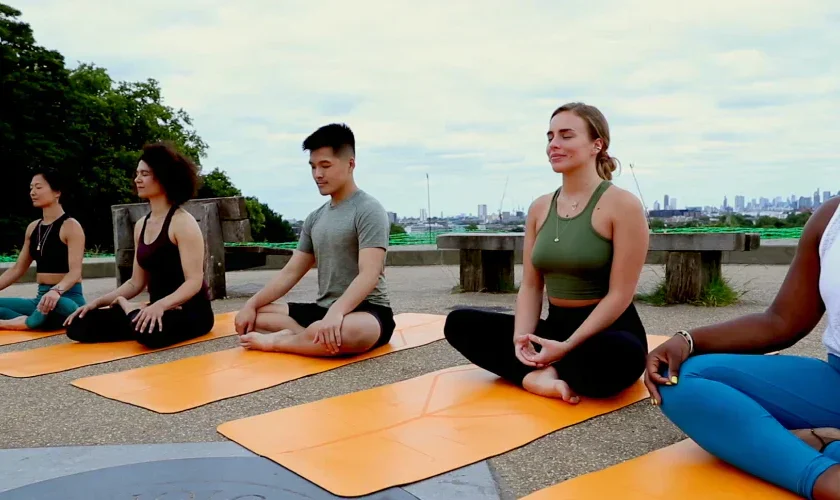
  • Yoga picnics or park sessions

  • Charity-driven yoga classes

  • Monthly themed gatherings or potlucks

These events allow students to connect outside the classroom, which strengthens the sense of community and continuity.

3. Support for Newcomers

Beginners can feel intimidated by yoga’s complex postures and unfamiliar terms. Community-focused classes often feature orientation sessions, beginner-friendly modifications, and mentorship opportunities to help new members integrate comfortably.

Studios may offer:

  • Buddy programmes to pair new students with regulars

  • Introduction classes that teach yoga basics

  • Group WhatsApp chats for motivation and updates

Benefits of Joining a Yoga Community Near You

Attending a local yoga studio that encourages community involvement can lead to more than just physical benefits.

Emotional and Mental Health Support

In a connected community, you’re more likely to share your personal challenges and feel heard. Yoga classes that focus on emotional wellness create safe spaces to decompress, especially during stressful times.

Real-life example: During the pandemic, several studios in Singapore began offering hybrid classes with post-session check-ins to maintain emotional support networks among members.

Accountability and Routine

When others notice your absence, it motivates you to show up. Having familiar faces in class builds accountability, which is especially helpful for those struggling to maintain consistency.

Building Long-Term Friendships

Many lifelong friendships begin on the mat. The shared journey of self-improvement often translates into deeper personal connections outside class. This is especially meaningful for expats or newcomers to Singapore who are looking to build a social circle.

Where to Find Community-Based Yoga Classes in Singapore

When looking up yoga classes near me, explore studios or instructors who highlight community as part of their teaching philosophy. These spaces often:

  • Mention inclusivity, unity, or group bonding in their class descriptions

  • Share student testimonials or community photos on social media

  • Host free events or classes in parks or HDB rooftops

You can also find many community-oriented yoga groups through local Meetup listings, community centre boards, or university wellness clubs.

Online Communities That Support In-Studio Practice

Some studios enhance the in-person experience with private online forums, Telegram channels, or Facebook groups. These platforms help members:

  • Share class reflections or photos

  • Stay informed on upcoming events

  • Participate in challenges like 30-day yoga streaks

Hybrid support means you never feel disconnected, even when travelling or taking a short break from studio practice.

What to Expect During Your First Community Yoga Class

For first-timers, joining a new community might feel a bit intimidating. However, community-based yoga instructors are trained to create a welcoming and warm environment from the moment you step in.

Here’s what you can expect:

  • Warm greetings and introductions

  • Ice-breaker activities or simple group games

  • Group breathing or chanting at the start of class

  • Encouraging feedback during the session

Most importantly, there’s a focus on how you feel rather than how you perform.

Inclusivity and Accessibility

Community yoga classes often welcome people who may otherwise feel excluded from mainstream fitness culture, such as:

  • Seniors or retirees

  • Pregnant women or new mothers

  • Persons with physical limitations

  • Those managing emotional trauma or grief

Studios may even collaborate with NGOs to offer free classes for underserved communities or host special awareness-themed sessions (e.g., yoga for mental health month).

The Role of Instructors in Building Community

A great instructor doesn’t just teach yoga poses. They build safe, engaging spaces where people can thrive together. In community-focused settings, instructors often:

  • Learn students’ names and backgrounds

  • Follow up on progress or well-being

  • Offer small gestures like handwritten notes or birthday shoutouts

This level of attention turns a simple class into a transformative experience.

Real-Life Story: A Community That Heals

Daniel, a 47-year-old logistics manager in Singapore, began yoga as a way to manage his high blood pressure. After searching for yoga classes near me, he found a small neighbourhood studio with a strong community vibe. Initially hesitant, Daniel was soon welcomed into the group and started attending classes regularly.

Over time, he became part of their evening walking club and attended weekend yoga picnics. His health improved, but so did his outlook on life. “I didn’t realise how much I needed people,” he said. “Yoga helped me heal physically, but the community healed my spirit.”


Frequently Asked Questions

Q. How can I tell if a yoga studio promotes community-focused classes?
A. Look at their class descriptions and social media. Studios that host events, share group photos, and use words like “inclusive”, “supportive”, or “family” are likely focused on community.

Q. I’m new to yoga and not very flexible. Will I feel left out?
A. Not at all. Community-based yoga classes are designed for all levels. They emphasise support and group energy over perfection or flexibility.

Q. What if I’m shy or introverted?
A. You can still benefit from the group energy without being forced into uncomfortable interactions. Most community studios allow people to engage at their own pace and comfort level.

Q. Are there free community yoga classes in Singapore?
A. Yes. Keep an eye out for sessions in local parks, community centres, or public spaces. Many instructors offer donation-based classes or special events open to all.

Q. Can I bring a friend to community yoga classes?
A. Absolutely. Bringing a friend can help you feel more at ease, and it aligns perfectly with the social spirit of community-based yoga.

read more
Beauty

The Complete Guide to Beauty: Understanding What Shapes Modern Personal Care

Beauty has always been a central part of human culture, but today it plays a more influential role than ever before. People across the United States invest time and effort into building routines that support confidence, wellness, and long-term skin and body health. The concept of Beauty has expanded beyond surface-level appearance. It now represents a broader commitment to self-care, emotional well-being, and conscious lifestyle choices. As individuals continue exploring new ways to enhance their natural features, understanding the science, psychology, and real-world practices behind beauty becomes increasingly important.

In modern society, Beauty is shaped by personal expression, innovation in skincare science, environmental awareness, and a renewed focus on holistic wellness. Instead of relying solely on trends, many people are taking an evidence-based approach, choosing products and habits that support the skin’s biology and long-term health. This shift has led to a growing demand for actionable information, personalized routines, and realistic strategies that create lasting and meaningful results.

How Beauty Is Defined Today

The definition of beauty changes with time, culture, and social influences. Today, beauty is rooted in confidence, authenticity, and a commitment to personal well-being. It includes the condition of the skin, the clarity of the complexion, the way someone carries themselves, and the lifestyle choices that influence physical appearance.

Personal expression

Beauty begins with individuality. People express themselves through hair styling, makeup, fashion, and skincare choices that reflect their personality. This expression helps build confidence and strengthens self-identity.

Health and wellness

Modern beauty connects closely with personal health. Clear skin, healthy hair, and an energized appearance often reflect internal balance. Factors such as sleep quality, nutrition, hydration, and stress management all contribute to how someone looks and feels.

Lifestyle influence

Daily habits impact appearance more than most people realize. For example:

  • The amount of water consumed each day
  • Time spent outdoors
  • Quality of skincare products applied
  • Frequency of physical activity
  • Environmental exposure to pollutants

These elements shape the long-term condition of the skin and overall appearance.

The Science Behind Skin and Beauty

Healthy skin forms the foundation of many beauty routines. In order to build an effective personal care strategy, it helps to understand how the skin functions and what it needs to thrive.

Skin structure

Human skin includes three primary layers:

  • Epidermis: The surface layer responsible for cell turnover and protection
  • Dermis: The middle layer that contains collagen, elastin, and hydration components
  • Subcutaneous layer: The deepest layer storing fat and regulating temperature

Each layer performs essential tasks that influence complexion, elasticity, smoothness, and radiance.

Hydration and moisture balance

Skin hydration determines softness, resilience, and its ability to repair itself. Water content decreases with age, environmental exposure, and improper care. When hydration levels drop:

  • Fine lines appear more visible
  • Skin becomes dull
  • Irritation increases
  • The barrier weakens

A strong routine restores moisture with ingredients like hyaluronic acid, ceramides, and glycerin.

Collagen and elasticity

Collagen keeps the skin firm and smooth, but levels naturally decline over time. Factors like stress, UV exposure, and poor dietary habits speed up collagen breakdown. Supporting collagen requires nourishment through protein-rich foods, UV protection, and skincare ingredients that encourage natural production.

Essential Components of a Healthy Beauty Routine

The most effective beauty routines combine consistency, informed product choices, and an understanding of personal skin needs.

Cleansing

Every routine begins with proper cleansing. A good cleanser removes dirt, makeup, oil, and pollutants without stripping away natural moisture. Over-cleansing can irritate the skin, while under-cleansing may cause buildup. Choosing the right formula ensures balanced and healthy skin.

Key considerations when choosing a cleanser

  • Skin type
  • Sensitivity level
  • Water hardness in your local area
  • Daily exposure to pollutants or sweat

A balanced cleanser prepares the skin to absorb nutrients from the next steps of your routine.

Exfoliation

Exfoliation helps remove dead skin cells that accumulate on the surface. When these cells build up, they block pores, dull the complexion, and prevent products from working effectively. Gentle exfoliation encourages smoother texture and a brighter appearance.

Types of exfoliation

  • Chemical exfoliation using ingredients like AHAs or BHAs
  • Physical exfoliation with mild scrubs or tools
  • Enzyme exfoliation derived from natural fruit enzymes

Choosing the correct method depends on how sensitive your skin is and the level of exfoliation needed.

Moisturizing

Moisturizers maintain hydration, strengthen the barrier, and help the skin retain its natural balance. Without proper moisture, the complexion may look uneven or inflamed.

Benefits of a strong moisturizer

  • Smooths rough areas
  • Minimizes water loss
  • Supports healing
  • Protects the skin from environmental damage

Lightweight options suit oily skin, while rich creams benefit individuals with dry or mature skin.

Sun protection

Daily sun protection is one of the most important steps in any beauty routine. Sun exposure ages the skin faster than any other environmental factor. Using sunscreen every day helps prevent discoloration, dryness, and visible signs of aging.

Beauty From Within: How Nutrition Shapes Your Appearance

Food choices directly influence skin clarity, hydration, and overall vitality. Consuming nutrient-rich meals supports both internal health and outward appearance.

Key nutrients that promote beauty

  • Vitamin C for collagen formation
  • Omega 3 fatty acids for reducing inflammation
  • Antioxidants from fruits and vegetables to protect against free radicals
  • Protein to support skin repair

Hydration’s role

Water helps regulate body temperature, deliver nutrients, and flush toxins. Hydrated skin looks fuller, smoother, and naturally radiant. Many people do not drink enough water daily, which affects appearance more than they realize.

The Role of Sleep in Beauty

Sleep quality determines how refreshed and healthy someone looks. During rest, the body repairs damaged cells, balances hydration, and restores vital processes that influence appearance.

What happens when you sleep

  • Collagen production increases
  • Skin repairs environmental damage
  • Hormone levels stabilize
  • Puffiness reduces
  • The complexion becomes more even

Lack of sleep often leads to dark circles, dull tone, and increased breakouts.

Environmental Influence on Beauty

Environmental factors significantly affect skin and appearance. Outdoor conditions, climate, and stress levels contribute to premature aging and irritation.

Major environmental stressors

  • UV radiation
  • Air pollution
  • Dry indoor heating
  • Chlorine in swimming pools
  • High humidity

Learning how to protect the skin from these stressors helps maintain long-term beauty and resilience.

Hair Care as a Beauty Essential

Healthy hair contributes strongly to overall beauty. From texture to shine, the condition of hair reflects lifestyle choices, nutrition, and proper care routines.

Factors affecting hair health

  • Scalp condition
  • Hormonal balance
  • Heat styling habits
  • Haircare product quality
  • Genetics

Key haircare practices

  • Use sulfate free cleansers when possible
  • Limit heat styling
  • Choose protective hairstyles
  • Nourish the scalp
  • Maintain balanced nutrition

Psychological Connections to Beauty

Beauty has a deep connection to emotional well-being. Feeling good about appearance can influence confidence, motivation, and overall mental health.

How confidence shapes beauty

People often appear more attractive when they feel comfortable with themselves. Confidence contributes to posture, facial expressions, and overall presence.

Emotional effects of personal care

Developing a beauty routine can:

  • Reduce stress
  • Create structure
  • Encourage mindfulness
  • Increase motivation

Many people use personal care as a daily practice that supports emotional stability.

Frequently Asked Questions

Why does my skin routine stop working after a few months

Skin adapts over time. Environmental changes, weather fluctuations, or stress can also alter its needs. Adjusting product strength or switching specific ingredients can restore effectiveness.

How long does it take for new skincare products to show results

Most products require consistent use for four to twelve weeks. Some ingredients provide quick hydration, but deeper improvements take longer.

Can beauty routines be effective without expensive products

Yes. Effectiveness depends more on consistency and appropriate ingredients than price. A simple routine with proven components often performs better than a complex routine with unnecessary steps.

Why does stress negatively impact my appearance

Stress increases hormone activity, which can lead to breakouts, dryness, and dullness. It may also reduce sleep quality, affecting the skin’s ability to repair itself.

How can I maintain beauty while frequently traveling

Travel disrupts routines. To maintain healthy skin, stay hydrated, cleanse thoroughly, and protect the skin from dry cabin air with a strong moisturizer. Pack travel sized essentials to avoid skipping your routine.

If you want an expanded version on a specific beauty category such as skincare, haircare, or holistic wellness, I can create a tailored article for your goals.

read more
Spa

The Transformative Experience of a Spa: A Complete Guide to Modern Wellness

A spa experience today represents far more than a relaxing afternoon. It has become a holistic environment shaped by modern research, traditional practices, and personalized therapies designed to improve physical, mental, and emotional wellbeing. Whether someone seeks stress reduction, improved skin health, muscle recovery, or deeper restorative benefits, a Spa can play a meaningful role in long-term wellness planning.

Understanding the Purpose of a Spa

A spa is a curated environment that blends therapeutic treatments, soothing ambiance, and specialized services tailored to support overall wellness. Many people visit one for rest and detoxification, yet the modern spa has evolved into a comprehensive wellness hub backed by science, high-quality therapeutic methods, and personalized care.

A well designed spa integrates multiple healing modalities that address the full spectrum of human stress. This approach allows guests to disconnect from daily demands while engaging in treatments that stimulate circulation, enhance oxygen flow, relax muscles, refresh the skin, and stabilize the nervous system.

Key Components That Define an Exceptional Spa Experience

A high level spa environment is defined by its attention to detail, therapeutic integrity, and advanced services. Several elements contribute to the overall effectiveness of the experience.

Holistic Therapy Design

Every spa treatment is created with a specific intention. Some focus on improving circulation, others on relieving tension, and many on rejuvenating the skin. These therapies are supported by skilled professionals who understand human anatomy, pressure points, and relaxation science. A good treatment plan reflects the guest’s physical condition, stress levels, and wellness goals.

Sensory Immersion

The environment plays a powerful role in how the body responds to therapy. Lighting, temperature, aromatherapy, and sound are intentionally coordinated to reduce tension and help the nervous system shift into a restorative state. Natural materials, soft colors, and clean design enhance the sense of calm without distracting the mind.

High Quality Ingredients and Tools

From essential oils to mineral rich water to botanically derived skincare products, quality determines results. Effective spas rely on formulas with proven therapeutic benefits, gentle textures, and ingredients that nourish rather than overwhelm the skin. Tools such as warm stone sets, hydrotherapy baths, or dry salt systems amplify the impact of each service.

Popular Spa Treatments and How They Work

Each spa treatment has a unique purpose and physiological effect. Understanding the science behind these experiences can help users make informed choices that support long-term health.

Massages

Massage therapy remains the cornerstone of many spa menus because of its wide range of benefits. A well executed massage stimulates blood flow, eases muscle stiffness, calms the mind, and enhances mobility.

Swedish Massage

This soothing full body treatment uses gentle strokes to relax tension. It improves oxygen flow and reduces stress hormones, making it ideal for individuals seeking overall relaxation.

Deep Tissue Massage

Designed for chronic tension, this method targets deeper layers of muscle and fascia. It can help correct posture imbalances, reduce repetitive strain, and enhance long term flexibility.

Hot Stone Massage

Heated stones provide targeted warmth that melts tension and promotes deeper relaxation. This type of therapy is especially effective for individuals who carry stress in their back or shoulders.

Facials

Professional facials go far beyond at home skincare. They include analysis, exfoliation, steaming, extraction, masking, and massage techniques designed to improve complexion and skin health.

Hydration Facials

Dry or aging skin benefits from deep hydration treatments that use moisture binding serums and gentle massage to restore glow and elasticity.

Purifying Facials

Individuals with congested or oily skin often experience relief through clarifying masks, steam treatments, and botanical ingredients that balance sebum production.

Hydrotherapy

Water has been used for healing across cultures and eras. Modern spas integrate hydrotherapy into their menus to encourage relaxation, enhance immunity, and improve circulation.

Thermal Baths

Warm water baths infused with minerals can soothe sore muscles, increase blood flow, and reduce joint stiffness.

Cold Plunge Therapy

Cold exposure invigorates the body by activating circulation, tightening pores, and stimulating the immune response.

Body Treatments

These therapies focus on detoxification, exfoliation, and nourishment.

Body Scrubs

Exfoliating scrubs remove dead skin cells and enhance radiance. Natural abrasives like sea salt, sugar, or crushed minerals work with oils to smooth and renew the skin.

Body Wraps

Wraps use ingredients such as seaweed, clay, or botanicals to detoxify the body, improve hydration, and tighten the skin.

Wellness Benefits of Visiting a Spa

Beyond relaxation, a spa session delivers measurable improvements to physical and emotional health.

Stress Reduction

Chronic stress increases cortisol levels, disrupts sleep, and affects emotional stability. Spa treatments encourage deep relaxation that helps lower these hormones, reset the mind, and improve mental clarity.

Improved Circulation

Massage, hydrotherapy, and thermal treatments support healthy blood flow. This boosts oxygen delivery, aids cellular repair, and supports natural detoxification.

Enhanced Skin Health

Professional skincare treatments improve texture, reduce blemishes, enhance hydration, and support collagen production. Regular visits can maintain long term skin vitality.

Muscle Recovery and Mobility

Targeted massages help break down muscle knots, reduce inflammation, and improve range of motion. Athletes and active individuals benefit greatly from these restorative treatments.

Immune Support

Relaxation has a direct impact on immune function. Lower stress levels combined with enhanced circulation help the body defend against illness more effectively.

What to Consider When Choosing a Spa

Not all spas provide the same level of care or results. Several factors should guide your selection to ensure a positive and effective experience.

Professional Expertise

Therapists should be properly trained in anatomy, pressure techniques, and treatment customization. Their communication skills and professionalism are also essential for safety and comfort.

Cleanliness Standards

A spa must maintain strict hygiene practices. Linens should be fresh, tools sanitized, and treatment rooms spotless. Clean facilities indicate professionalism and respect for guests.

Treatment Customization

Every body is different. A quality spa evaluates the guest’s tension patterns, skin condition, and health concerns before designing a treatment.

Environment and Ambiance

The space should feel calm, inviting, and well maintained. Lighting, aroma, temperature, and sound should encourage relaxation without overwhelming the senses.

Service Variety

A diverse treatment menu allows guests to build comprehensive wellness routines. Look for services that include massage, skincare, hydrotherapy, and body treatments to ensure a well rounded experience.

How to Prepare for a Spa Visit

Proper preparation can enhance the benefits of your session and create a smoother, more enjoyable experience.

Hydration Matters

Drinking water before and after treatments helps remove toxins, prevent dehydration, and support circulation.

Avoid Heavy Meals

Eating lightly ensures greater comfort during massages or hydrotherapy sessions.

Communicate Preferences

During intake, notify the therapist of any allergies, injuries, or pressure preferences. Communication ensures safe and effective results.

Arrive Early

Allowing extra time to settle in reduces stress and helps the body shift into a relaxed state before the session begins.

Integrating Spa Wellness Into Daily Life

A spa visit can inspire healthier routines. Many principles used in professional treatments can be applied at home.

Regular Stretching

Simple stretches ease muscle tension and encourage flexibility.

Mindful Breathing

Deep breathing techniques lower stress and improve focus.

Home Skincare Rituals

Consistent cleansing, moisturizing, and exfoliation improve skin health between professional facials.

Warm Baths

Occasional warm baths with salts or essential oils mimic hydrotherapy benefits at home.

FAQs

How often should someone visit a spa for long term benefits

Most people benefit from monthly visits, although individuals with high stress or intense physical activity may benefit from biweekly sessions.

Are spa treatments safe for sensitive skin

Yes, but it is essential to inform the therapist during intake. They can adjust products and techniques to ensure safety and comfort.

Can spa services help with chronic pain

Many people experience significant relief from massages, hydrotherapy, and warm stone treatments. These therapies increase circulation and reduce muscle tension.

What should someone bring to their spa appointment

Most spas provide robes, towels, and slippers. Guests may bring personal skincare products if they prefer, although professional products are typically available.

Is tipping expected at spas

Tipping norms vary, but many guests choose to tip therapists to show appreciation for attentive and skilled service.

If you would like, I can also create additional wellness topics, service descriptions, or spa related guides tailored to a specific audience.

read more
Makeup

The Complete Guide to Makeup: Techniques, Science, Skin Compatibility, and Modern Application Mastery

Makeup has become an essential part of personal expression, confidence building, and everyday appearance enhancement. In the United States, people use Makeup not only to improve how they look but also to convey mood, creativity, and personality. For many, understanding Makeup early in their routine helps them select products that complement their skin type, lifestyle, and desired aesthetic. Rather than relying on trends alone, consumers today want to understand the science behind formulations, the techniques that create long lasting results, and the best practices that protect skin health.

Makeup is both an art and a science. It involves textures, pigments, application strategies, and the interaction between cosmetic ingredients and skin biology. A strong approach requires knowledge, skill, and thoughtful product selection. This article dives into every essential detail needed to master makeup intelligently and effectively, from foundational techniques to advanced artistry, ensuring a complete understanding of how to create looks that hold up in real world conditions while maintaining skin wellness.

How Makeup Interacts With the Skin

Makeup sits on the surface of the skin, but its effectiveness depends heavily on underlying skin conditions. Smooth, hydrated skin improves application and longevity, while dry or oily textures may cause separation, patchiness, or fading.

Skin barrier considerations

The skin barrier controls moisture retention and protects the body from environmental irritants. A strong barrier improves makeup adhesion. When the barrier is compromised, makeup may cling to dry patches or settle into fine lines.

Hydration and oil production

Different skin types affect product behavior:

  • Dry skin often requires creamy or hydrating formulas
  • Oily skin benefits from oil controlling or matte textures
  • Combination skin needs selective application
  • Sensitive skin benefits from gentle, non irritating products

Understanding skin chemistry helps in choosing products that enhance rather than disrupt appearance.

pH balance

Healthy skin has a slightly acidic pH. Harsh cleansers or incompatible products disrupt this balance, making makeup appear uneven. A well balanced skincare routine therefore supports smoother makeup performance.

Essential Makeup Categories and Their Purposes

Modern makeup consists of multiple categories, each playing a specific role in enhancing facial structure, color harmony, and overall complexion.

Primer

Primer creates a base layer that smooths texture, controls oil, and improves longevity. It fills pores, softens lines, and helps foundation adhere evenly.

Types of primer

  • Hydrating primer
  • Mattifying primer
  • Illuminating primer
  • Color correcting primer
  • Pore minimizing primer

Choosing the correct primer sets the tone for the rest of the routine.

Foundation

Foundation evens out complexion and creates a flawless surface. It varies in coverage, finish, and formulation.

Foundation finishes

  • Matte
  • Natural
  • Dewy
  • Satin

Foundation coverage levels

  • Sheer
  • Medium
  • Full

The correct shade and undertone are crucial. Undertones include warm, cool, and neutral.

Concealer

Concealer brightens the under eye, hides blemishes, and corrects discoloration. Its texture and coverage must be chosen based on specific needs.

Common uses for concealer

  • Covering dark circles
  • Hiding acne marks
  • Neutralizing redness
  • Sharpening makeup edges
  • Highlighting facial areas

Setting products

Setting sprays and powders lock makeup in place. Powders control shine and smooth the surface. Sprays bind layers of makeup together to resist smudging.

Eye makeup

Eye makeup frames the face and enhances natural features.

Components of eye makeup

  • Eyeshadow
  • Eyeliner
  • Mascara
  • Brows

Each category impacts the final look’s depth and definition.

Lips

Lip color shapes the tone of the look. Gloss, lipstick, stains, and balms each serve different roles.

Blush, bronzer, and highlight

These complexion enhancers add dimension, warmth, and glow. Without them, makeup can appear flat or unnatural.

Advanced Makeup Techniques

Mastering advanced techniques helps create polished, camera ready looks.

Contouring and sculpting

Contouring uses shadows to define features. It can adjust the appearance of cheekbones, nose structure, jawline shape, and forehead proportions.

Contouring strategies

  • Cream formulas for a natural finish
  • Powder formulas for structured looks
  • Blending techniques to avoid harsh lines

Highlighting

Highlighting creates glow and enhances light reflecting areas.

Key highlight placement

  • Cheekbones
  • Brow bone
  • Nose bridge
  • Cupid’s bow

Proper placement enhances symmetry and balance.

Color theory in makeup

Understanding color theory improves shade selection.

Color theory principles

  • Opposite colors on the color wheel neutralize each other
  • Undertones influence shade matching
  • Warm tones complement gold and peach hues
  • Cool tones complement pink and blue hues

Corrective techniques using color theory

  • Green concealers reduce redness
  • Peach tones correct dark circles
  • Lavender brightens sallow areas

Long Lasting Application Strategies

Makeup longevity depends on prep, technique, and product interaction.

Skin preparation

  • Clean skin
  • Lightweight moisturizer
  • Primer based on skin needs

Layering

Thin layers prevent caking and cracking. Build coverage gradually.

Setting

Powder sets liquids in place. Spray extends wear and prevents transfer.

Tools and Their Impact on Application

Tools determine texture, finish, and blending quality.

Brushes

Brushes vary in density, fiber type, and shape. Dense brushes increase coverage, while fluffy ones soften edges.

Sponges

Sponges create natural, skin like finishes and work well for liquids.

Fingers

Finger application warms creams and allows quick blending for natural looks.

Makeup for Different Skin Types

Different skin types require tailored product selections.

Makeup for oily skin

  • Mattifying primer
  • Oil free foundation
  • Fine milled setting powder
  • Long wear formulas

Makeup for dry skin

  • Hydrating prep
  • Cream and liquid formulas
  • Minimal powder to prevent patchiness

Makeup for sensitive skin

  • Fragrance free options
  • Patch testing new products
  • Avoiding heavy alcohol based sprays

Makeup for Different Age Groups

Aging changes skin texture and elasticity, requiring technique adjustments.

Young adults

Focus on experimentation and foundational technique.

Adults in their 30s and 40s

Prioritize balance between coverage and skin radiance.

Mature skin

Use hydrating formulas, avoid heavy mattes, and emphasize glow.

Makeup Hygiene and Product Safety

Hygiene impacts both skin health and makeup performance.

Essential hygiene practices

  • Regular brush washing
  • Avoiding expired makeup
  • Sanitizing lip and eye products
  • Not sharing personal tools

Risks of poor hygiene

  • Breakouts
  • Eye infections
  • Irritation
  • Product degradation

Makeup and Self Expression

Makeup is not only functional. It is a form of artistic communication.

Emotional influence

Makeup can boost confidence, motivation, and creativity.

Cultural significance

Makeup traditions vary across cultures and hold symbolic meaning.

Professional impact

Polished makeup can enhance workplace presence and personal branding.

Frequently Asked Questions

Why does my makeup separate or break apart during the day

Separation often occurs when skincare products are incompatible with foundation formulas. For example, using a heavy oil based moisturizer under a water based foundation can cause slipping. Adjusting prep products or switching to lighter moisturizers can improve wear time.

How do I find the correct foundation undertone

Observe the veins on your wrist or match foundation to your chest area. Blue or purple veins suggest cool undertones, green veins indicate warm undertones, and a mix signals neutral undertones.

Why does concealer crease under my eyes

Creasing happens when too much product is applied or the under eye area is not hydrated properly. Using a small amount of concealer and lightly setting with powder helps reduce creasing.

How do I keep makeup from looking cakey

Caking occurs from over layering. Using thin layers, blending thoroughly, and avoiding heavy powder application prevent this issue. Hydrating sprays can also melt makeup into the skin for a natural finish.

Can makeup improve the appearance of textured skin

Makeup cannot erase texture, but it can minimize its appearance. Techniques include using smoothing primers, choosing lightweight foundations, and applying powder sparingly. Heavy formulas tend to exaggerate texture.

If you would like a version tailored to beginners, professionals, influencers, or specific skin concerns, I can create a customized makeup guide fitting your goals.

read more