

June 2026

Health

Plan Management Explained: How to Find the Right Support Near You

Ask any experienced NDIS participant what single change made the biggest difference to their experience with the scheme, and there’s a good chance they’ll say plan management. What sounds like a dry administrative concept is, in practice, a transformative support that can completely change how participants engage with the NDIS.

Plan management removes the financial administration from your plate, invoice processing, budget tracking, and compliance with NDIS pricing rules, while leaving every decision about your supports firmly in your hands. It’s funded separately within your plan, so it comes at no cost to your existing supports.

This article covers how plan management works, what to look for when choosing a provider, and how participants across Queensland, NSW, Western Australia, and Victoria are accessing this support today.

What Does a Plan Manager Actually Do?

A plan manager is a registered NDIS provider who takes responsibility for the financial side of your plan. When one of your support providers sends you an invoice, you pass it to your plan manager and they handle everything from that point: verifying the invoice, checking it aligns with the NDIS Pricing Arrangements, lodging a payment request with the NDIA, and releasing funds to the provider.

Behind the scenes, your plan manager is keeping detailed records of every transaction and making that information available to you — usually through a secure online portal or app. This means you can check your remaining budget at any time, review past invoices, and identify whether your funding is tracking as expected.

Good plan managers go further than the basics. They proactively alert you when budgets are at risk of running out, help you understand what your funding categories cover, and provide guidance ahead of your plan review so you can make the strongest possible case for the supports you need.

Understanding the full scope of NDIS plan management is the first step to knowing whether it’s right for you.

How to Find an NDIS Plan Manager Near You

Many participants search for an “NDIS plan manager near me” when they’re first setting up their plan. The good news is that geography matters less than you might think. Thanks to the digital-first approach most modern plan managers take, you can access high-quality plan management services regardless of where in Australia you live.

That said, some participants do value having a plan manager with a physical presence in their state or territory — someone who understands local provider ecosystems and can offer in-person support if needed. Both models (local and national) are valid choices. What matters most is responsiveness, transparency, and how well the provider communicates with you.

When evaluating any plan manager, consider asking:

  • How quickly do you process invoices?
  • What does your budget tracking portal look like and how easy is it to use?
  • How do you communicate with participants, phone, email, app?
  • What support do you provide ahead of plan reviews?
  • Are you registered with the NDIS Quality and Safeguards Commission?

NDIS Plan Management QLD: Options for Queensland Participants

Queensland has a large and diverse NDIS participant base, spanning metropolitan Brisbane, the Gold Coast and Sunshine Coast, and vast regional areas including the Darling Downs, Far North Queensland, and the outback. Participants across this spectrum have the same entitlement to plan management, regardless of location.

For participants in regional Queensland in particular, the ability to manage everything online is a significant advantage. Rather than needing to visit a provider in person to drop off invoices or discuss your plan, a good plan management service enables you to do everything digitally, submitting invoices by photo, checking budgets from your phone, and communicating via secure messaging.

Queensland participants can explore dedicated NDIS plan management services in QLD to find providers experienced in the state’s specific support landscape.

NDIS Plan Management NSW: Serving Participants Across New South Wales

New South Wales accounts for a significant proportion of Australia’s NDIS participants. The state’s disability services landscape is rich and varied, with a wide range of registered providers available across metropolitan Sydney and regional areas alike.

NSW participants benefit from strong NDIS infrastructure overall, but that doesn’t mean all plan management services are equal. Invoice processing speeds, portal quality, and participant communication vary considerably between providers. Taking the time to research your options before committing to a plan manager can pay dividends throughout your plan year.

For NSW-specific guidance and provider options, exploring NDIS plan management in New South Wales is a practical starting point.

NDIS Plan Management Victoria: A Growing Network of Support

Victoria’s disability services sector is well established, with a strong network of NDIS providers operating across Melbourne and regional centres including Geelong, Bendigo, Ballarat, and Shepparton. For NDIS participants in Victoria plan management access is both broad and competitive.

Victorian participants should look for plan managers with a demonstrated understanding of local provider pricing, the capacity to handle complex support arrangements, and a track record of positive participant outcomes. Don’t be afraid to switch plan managers if your current provider isn’t meeting your expectations — you have the right to change at any time.

Learn more about NDIS plan management services in Victoria to understand your options in more detail.

Plan Management and Western Australia: What WA Participants Need to Know

Western Australia presents unique challenges for NDIS participants, particularly those living outside the Perth metropolitan area. With vast distances between communities and a complex mix of mainstream and disability-specific services, having a reliable plan manager is especially important.

WA participants should prioritise plan managers with a strong digital infrastructure, fast invoice processing, and clear communication channels. The ability to access your plan management portal from anywhere in the state, whether you’re in Perth, Albany, Broome, or a remote community, is a non-negotiable feature for most participants in the west.

Making the Most of Your Plan Management Funding

Once you’ve chosen a plan manager, there’s still work to do to ensure you get the most value from the arrangement. Stay engaged with your budget tracking, review your monthly statements, and raise any discrepancies with your plan manager promptly. If you notice a funding category consistently running dry, discuss it with your plan manager well before your plan review so you can request appropriate increases.

Remember: plan management is a tool to give you greater control and flexibility. Use it actively rather than passively. The more engaged you are with your plan, the better positioned you’ll be to advocate for the supports you genuinely need.

Final Thoughts

Plan management is available to every NDIS participant who requests it, and it’s funded separately so it won’t eat into your existing supports. Whether you’re looking for a plan manager near you in Queensland, New South Wales, Victoria, or Western Australia, the key is to find a provider who communicates clearly, processes invoices quickly, and gives you the visibility you need over your budget.

The NDIS is designed to give people with disability genuine choice and control over their lives. Plan management is one of the most powerful ways to exercise that choice, so don’t leave it on the table.
read more
Health

Full Body Checkup Before A Major Lifestyle Change: Why Baseline Results Matter

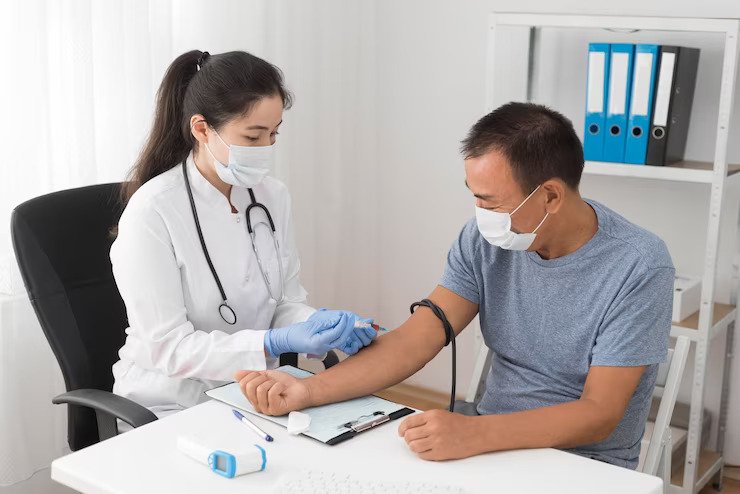
Making a major lifestyle change can feel exciting. You may be starting a new fitness plan, changing your diet, preparing for weight loss, trying to sleep better, or cutting down on alcohol and smoking. These are positive steps, but before making big changes, it helps to know where your health stands today.

A full body checkup in Singapore gives you baseline results. These are your starting numbers before your lifestyle changes begin. They help you and your doctor understand your current health, spot possible risks early, and track your progress in a clearer way.

What Are Baseline Results?

Your Health Starting Point

Baseline results are the first set of health measurements taken before a new plan, treatment, or lifestyle change. These may include blood pressure, blood sugar, cholesterol levels, liver function, kidney function, weight, body mass index, and other checks depending on your age, medical history, and health goals.

Think of them as a “before” picture of your health. Without baseline results, it can be harder to know if your new lifestyle is truly helping or if an issue was already present before you started.

For example, if you begin a high-protein diet and later find abnormal kidney markers, your doctor may need to know whether those results were already present before the diet. If you start intense exercise and feel unusually tired, baseline blood tests may help show if low iron, thyroid changes, or blood sugar issues could be part of the reason.

Why A Checkup Matters Before A Lifestyle Change

It Helps You Make Safer Choices

Not every lifestyle plan suits every person. A workout routine, fasting plan, supplement habit, or strict diet may affect people differently. This is especially important if you have high blood pressure, diabetes risk, high cholesterol, thyroid problems, kidney concerns, or a family history of chronic disease.

A checkup helps identify health concerns that may need extra care before you make big changes. For example, someone with very high blood pressure may need medical advice before starting strenuous exercise. A person with high cholesterol may need both diet changes and regular monitoring.

It Gives You Clearer Progress Tracking

Many people use weight as their main progress marker. But weight alone does not show the full picture. Someone may lose weight but still have high cholesterol. Another person may not lose much weight but may improve blood sugar, blood pressure, or liver markers.

A full body checkup in Singapore can help you look at health in a more complete way. It allows you to compare your results over time and see whether your habits are improving your internal health, not just your appearance.

What A Full Body Checkup May Include

Common Health Measurements

The exact tests depend on the screening package and your doctor’s advice. However, a general health screening may include:

  • Blood pressure check
  • Height, weight, and BMI
  • Blood sugar test
  • Cholesterol profile
  • Liver function test
  • Kidney function test
  • Full blood count
  • Urine test
  • Screening based on age, sex, symptoms, and family history

Some people may also need additional tests depending on their personal risk. This is why it is useful to speak with a doctor instead of choosing tests only based on price or package size.

When Should You Consider A Checkup?

Before Starting A New Fitness Routine

If you have been inactive for a long time, it is wise to check your general health before starting a demanding exercise plan. This is especially true if you are above 40, have chest discomfort, feel breathless easily, or have a history of high blood pressure, diabetes, or heart disease.

Before Changing Your Diet

Popular diets can affect blood sugar, cholesterol, digestion, and kidney function. Whether you plan to try intermittent fasting, a low-carb diet, a high-protein diet, or a calorie-restricted plan, baseline results can help guide safer choices.

Before Weight Loss Or Body Transformation Goals

Many people start lifestyle changes to lose weight. A checkup can help identify hidden factors that may affect weight, such as blood sugar issues, thyroid concerns, poor sleep, stress, or medication-related effects.

Before Quitting Smoking Or Reducing Alcohol

Stopping smoking or cutting alcohol is a strong step for long-term health. A checkup can help show how these habits may have affected your body and provide a clearer way to monitor improvement.

Why Bigger Is Not Always Better

The Right Tests Matter More Than More Tests

A full checkup does not always mean doing every test available. Extra tests may not be helpful if they are not suitable for your age, symptoms, or risk level. In some cases, unnecessary tests may cause worry, extra costs, or follow-up checks that may not be needed.

A practical approach is to choose screening that matches your health profile. Your age, family history, lifestyle, and existing medical conditions should guide what is included.

This is where clinics that provide doctor-guided health screening can help. For example, Love & Joy Family Clinic supports clinic health screening and home-based health screening, with a post-health screening review with a doctor. This type of follow-up matters because results are easier to understand when a doctor explains what they mean and what steps may come next.

What To Do After Getting Your Results

Review The Numbers With A Doctor

Do not panic if one result is outside the normal range. Some results may be affected by recent meals, exercise, illness, stress, medication, or hydration. A doctor can explain whether a result needs monitoring, lifestyle change, repeat testing, or further care.

Set Realistic Health Goals

Your results can help you set better goals. Instead of only saying, “I want to lose weight,” you might aim to lower LDL cholesterol, improve fasting blood sugar, reduce blood pressure, or improve liver markers.

These goals are more specific and easier to track.

Repeat Screening At The Right Time

You do not need to repeat every test too often unless your doctor advises it. Some people may need follow-up in a few months, while others may only need yearly checks. The right timing depends on your results and risk factors.

Final Thoughts

A major lifestyle change is easier to manage when you begin with clear information. Baseline results help you understand your current health, choose safer habits, and measure progress in a meaningful way.

A full body checkup in Singapore is not just about finding problems. It is also about making better decisions before you start a new chapter in your health routine. When you know your starting point, every change you make becomes easier to track, adjust, and sustain.

read more
Skin Care

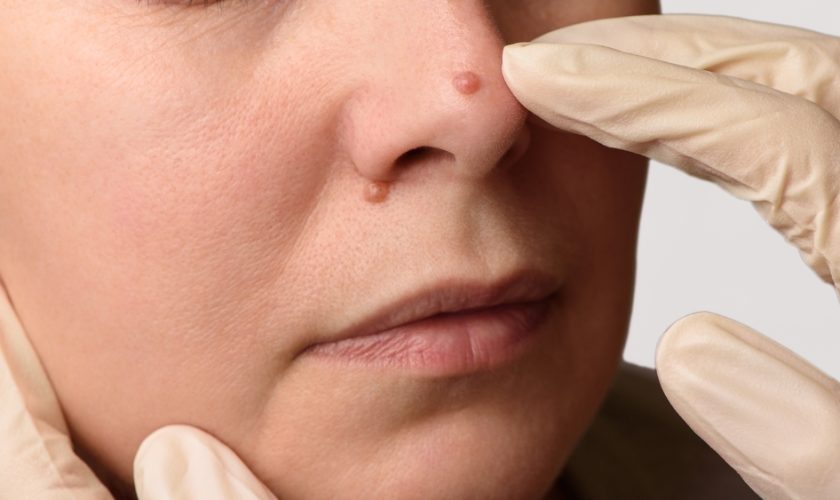
Why Mohs Surgery Is Considered the Gold Standard for Skin Cancer

Key Takeaways

Known as the gold standard for treating skin cancer, Mohs surgery takes a precise approach by removing cancerous tissue layer by layer, ensuring that no malignant cells are left behind.

This method dramatically reduces the chances of skin cancer recurrence, with statistics indicating a reduction rate ranging from 5 to 99 percent, influenced by various factors such as the type and location of the cancer.

Particularly effective for non-melanoma skin cancers like basal cell carcinoma and squamous cell carcinoma, Mohs surgery provides a remarkable cure rate that outshines many conventional techniques.

The aesthetic results of Mohs surgery often get overlooked; its goal is to achieve optimal cosmetic outcomes, resulting in reduced scarring and an enhanced sense of confidence for patients after the procedure.

Conserving healthy tissue is another significant advantage of Mohs surgery, leading to a quicker, more comfortable recovery with fewer incisions compared to traditional excisions.

After undergoing Mohs surgery, patients typically face fewer follow-up appointments, allowing them to reclaim their time and concentrate on recovering instead of attending numerous medical visits.

There is often confusion regarding insurance coverage for Mohs surgery; many plans classify it as medically necessary for skin cancer treatment, making it crucial to verify specific policy details.

Why Mohs Surgery is the Gold Standard for Skin Cancer Treatment

The Precision of Mohs: Why Margins Matter

Experts in dermatology regard Mohs surgery as the gold standard for managing skin cancer, and it’s easy to understand why. The procedure is centered on removing cancerous tissue layer by layer, carefully analyzing each layer under a microscope before moving forward, which ensures thorough removal. Patients often question the necessity of such precision. The importance lies in surgical margins; a clear margin signifies that no cancer cells remain at the tissue edges, significantly improving the odds of successful treatment outcomes.

Research underscores that achieving clear margins can substantially lessen the risk of recurrence. Dermatological professionals firmly believe that this meticulous level of attention not only increases the likelihood of success but also diminishes anxiety surrounding recurrence. Patients typically express reassurance, knowing their surgeon is leaving nothing to chance.

How Mohs Surgery Minimizes Recurrence Rates

Statistics reveal that Mohs surgery can shrink the likelihood of cancer returning anywhere from 5 to 99 percent, a broad range that reflects various factors such as cancer type and location. Patients often find themselves grappling with fears about future procedures and treatments. Consider this: many who opt for Mohs report a notable decrease in anxiety regarding cancer recurrence. The effectiveness of this detailed approach is undeniable.

Think of it this way: a strong foundation doesn’t just enhance a house; it ensures its durability. The same principle applies to skin cancer removal. Mohs surgery lays a solid groundwork for long-term skin health.

Understanding the Dermatological Edge of Mohs Techniques

While many may not grasp the detailed workings of Mohs techniques, it’s rooted in its complex applications in dermatology. Designed for non-melanoma skin cancers, particularly basal cell carcinoma and squamous cell carcinoma, this innovative technique assesses the entire tissue sample. Unlike other methods that focus only on visible growths, Mohs evaluates every layer. The result? An impressively high cure rate that many conventional methods struggle to match.

However, it’s worth noting that not every patient necessitates Mohs surgery. Factors such as cancer diagnosis and personal health history heavily influence professional recommendations. For those who meet the eligibility criteria—especially with high-risk skin cancers—this technique emerges as the clear frontrunner.

The Unseen Benefits of Mohs Surgery Beyond Cancer Removal

Cosmetic Outcomes: Looking Good After Cancer Care

An impressive facet often forgotten by patients is the aesthetic result following surgery. Professionals emphasize that Mohs surgery goes beyond effective cancer removal; it also aims for the best cosmetic outcomes. Many techniques employed don’t demand extensive skin grafts or significant reconstruction, resulting in a less invasive procedure. This means minimal scarring, a vital aspect for many navigating the emotional landscape of skin cancer treatment.

In a field where appearance holds weight, Mohs leads the way in helping individuals restore their skin integrity after a tough chapter. Clients frequently share feelings of renewed confidence, something that can be as crucial as the cancer treatment itself.

Less Tissue Loss: The Impact on Healing and Recovery

Another less-discussed yet pivotal feature of Mohs surgery is the preservation of healthy tissue, which greatly eases the healing process. Fewer incisions usually result in reduced recovery time. Patients often discover that Mohs surgery is about smart excision, not merely excision. Thus, recovery tends to occur quicker and with less discomfort overall.

Due to less tissue loss, professionals celebrate the method’s potential to create a more comfortable healing journey post-surgery. A smoother recovery could even encourage patients to adhere to follow-up appointments, as the experience feels far less overwhelming.

Cutting Down on Follow-Up Appointments: What Patients Can Expect

The aspect of time often weighs heavily for individuals considering any medical procedure. Mohs surgery cuts down on the requirement for extensive follow-up care, which can otherwise fill a patient’s schedule. Traditional excisions generally necessitate multiple post-operative appointments to monitor healing and ensure complete recovery, whereas Mohs patients usually endure fewer follow-ups. This translates to less time spent in waiting rooms and more time reclaiming life after cancer.

It’s easy to crave a straightforward experience. With Mohs, patients can rest easy knowing they’ve received comprehensive treatment, significantly decreasing ongoing visits and associated concerns.

Mohs Surgery Myths Debunked: What Patients Need to Know

Is Mohs Surgery Painful? Separating Fact from Fiction

Concerns about discomfort are common before any surgical procedure, and Mohs surgery isn’t immune to such worries. Some fears suggest the procedure is inherently painful. However, many patients report only mild to moderate discomfort rather than the unbearable agony they fear. Anesthetics effectively ensure comfort during the operation. While minor discomfort may linger post-surgery, adequate pain management techniques are typically in place.

“The fear of pain often overshadows the benefits of Mohs surgery.”

The Time Investment: How Long Does Mohs Really Take?

When it comes to time, Mohs surgery might seem intimidating. On average, patients find themselves in the clinic for about 2 to 4 hours, encompassing the surgical procedure, examinations, and any necessary post-operative care. Delays could occur if additional layers require removal. Still, considering the thoroughness of the procedure, the time invested is minimal compared to traditional treatments that may involve multiple visits and layers of tissue removal.

Preparation can make all the difference. Knowing what to expect tends to facilitate a smoother process overall. Patients who are aware of this timeframe often feel more relaxed heading into surgery.

Insurance Coverage: What Patients Often Overlook

Insurance intricacies surrounding Mohs surgery often lead to confusion. Some patients operate under the impression that their coverage might not include this essential treatment. However, many insurance plans do cover Mohs surgery, viewing it as medically necessary for skin cancer management. Professionals recommend double-checking policies and confirming coverage specifics with providers. Understanding these nuances can alleviate financial burdens, enabling patients to focus on recovery instead.

Though navigating insurance can be a hassle, it shouldn’t pose an insurmountable obstacle to essential care.

Working through the Mohs Surgery Journey: A Thorough Patient Guide

Pre-Operative Expectations: What to Prepare Beforehand

Preparation can greatly influence the surgical experience. Patients should arrive with a list of their current medications and any known allergies or dermatological conditions. Staying organized can enhance efficiency on the surgery day. Additionally, arranging for someone to drive them home afterward is wise, as anesthesia can linger. Keeping these considerations in mind sets the stage for a smooth experience from start to finish.

  • Gather a list of medications
  • Arrange for transportation post-surgery
  • Ask questions in advance of the procedure

With proper preparation, there’s little reason for patients to face undue stress before surgery.

Post-Operative Care: Ensuring Optimal Recovery

Post-operative guidelines are crucial for uninterrupted healing. Clients should maintain cleanliness of the surgical site, avoid strenuous activities, and adhere to all provided instructions. Such measures can significantly enhance recovery outcomes. Experts highlight the importance of thorough aftercare; neglecting these steps could result in complications. Grasping these recommendations sets the ideal foundation for a successful recovery.

  • Keep the area clean
  • Avoid strain or heavy lifting
  • Follow all care instructions faithfully

A positive mindset during recovery cannot be overstated.

Patient Testimonials: Real-Life Mohs Surgery Experiences

Hearing patient stories can provide valuable insight into the Mohs surgery experience. Testimonials reveal tales of resilience and victory. Many express gratitude not only for the successful removal of cancer but also for the emotional journey that accompanies healing. These narratives celebrate the process of surgery while highlighting the quiet confidence that evolves from successful outcomes.

For anyone embarking on this journey, connecting with those who have walked this path can be enlightening. Their insights often offer invaluable perspectives. Patients commonly report feeling a significant sense of relief once they understand what lies ahead.

FAQ

What are the typical recovery times after Mohs surgery?

Recovery times can differ based on individual health and the specifics of the procedure. Generally, patients experience minimal downtime, with many returning to normal activities within a few days. While some might feel minor discomfort for a short while, effective pain management usually promotes quicker recovery.

Are there specific post-operative care routines to follow?

Absolutely. After Mohs surgery, it’s crucial for individuals to focus on keeping the surgical site clean, avoiding strenuous activities, and diligently following aftercare instructions provided by their doctor. Such routines are vital for reducing complications and ensuring optimal healing.

How does Mohs surgery compare with traditional excision methods?

Mohs surgery is frequently seen as the superior choice, especially for certain non-melanoma skin cancers. Traditional excisions might involve larger tissue removal and often lack the guarantee of complete cancer clearance as effectively. The precision of Mohs results in lower recurrence rates and superior cosmetic outcomes, making it a favored option.

What factors determine whether a patient is eligible for Mohs surgery?

Eligibility for Mohs surgery primarily depends on the type and stage of skin cancer, the tumor location, and the patient’s overall health. Medical professionals closely evaluate these factors to determine if Mohs is the appropriate course of action for each patient.

Can Mohs surgery be performed on any part of the body?

Mohs surgery is applicable to various skin areas, though certain regions—such as the face, ears, and hands—often derive the most significant benefits from this method given its cosmetic advantages. Each case is assessed individually, factoring in the specific risks and benefits of the site involved.

What should patients expect during the Mohs surgery procedure?

During the surgery, patients can expect local anesthesia to numb the area, followed by the surgeon carefully removing thin layers of skin to examine. This process continues until all cancerous cells are eradicated, ensuring a thorough and effective treatment approach.

Are there any special considerations for elderly patients undergoing Mohs surgery?

Older patients might benefit from additional pre-operative evaluations to address any underlying health concerns. While Mohs surgery is generally deemed safe for seniors, healthcare professionals tailor their strategies to accommodate unique challenges, ensuring a smooth procedure and recovery.

What role do patient testimonials play in understanding the Mohs surgery experience?

Patient testimonials provide essential insights into the emotional and physical journey associated with Mohs surgery. Hearing direct accounts can foster a sense of reassurance and community among prospective patients, emphasizing the positive outcomes and experiences of others who’ve navigated a similar path.

read more