October 2024

Health

What should you know before getting AVELI cellulite treatment?

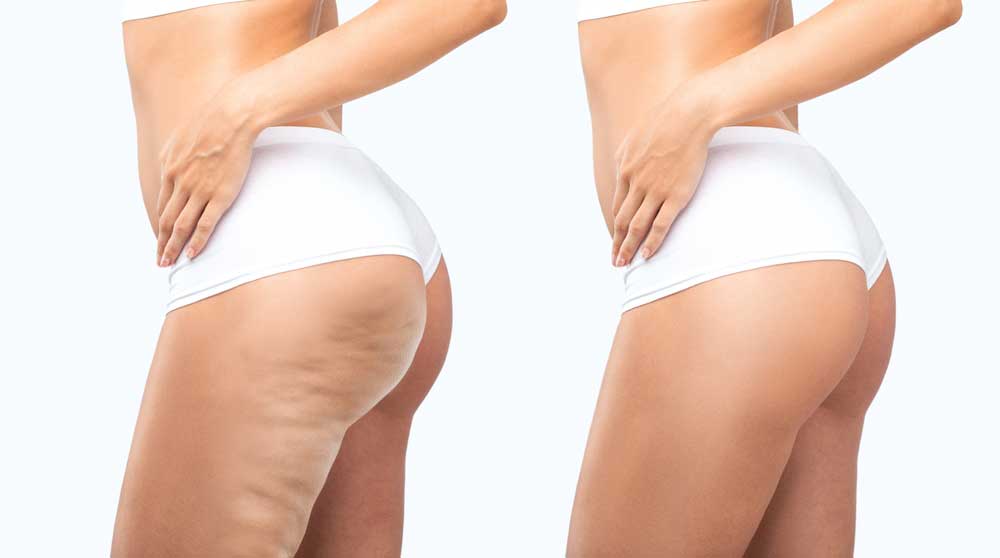
Cellulite affects many individuals, particularly women, and can be a source of concern for those looking to achieve smoother skin. AVELI cellulite treatment is explored to assist you in making an informed decision. Cellulite is a common condition characterized by dimpled or lumpy skin, often described as having an “orange peel” or “cottage cheese” appearance. Despite being a cosmetic concern, cellulite is a normal occurrence and doesn’t pose health risks. Various factors contribute to its development, including genetics, hormones, diet, and lifestyle.

  1. AVELI treatment works

Avéli Cellulite Treatment is a minimally invasive procedure designed to address the root cause of cellulite. The treatment targets the fibrous bands beneath the skin that pull down on the surface, creating a dimpled appearance. By releasing these bands, AVELI aims to smoothen the skin and reduce cellulite.

  1. Procedure and what to expect

During the Avéli Cellulite Treatment, a trained healthcare provider uses a specialized handheld device to treat the affected areas. The device is inserted under the skin through a small incision. It works by precisely cutting the fibrous bands responsible for cellulite dimples. The procedure is typically performed under local anesthesia, so patients remain comfortable throughout the treatment.

  1. Preparing for the treatment

Before undergoing AVELI treatment, you’ll need to consult with a qualified healthcare provider. They will assess your medical history, examine the areas you wish to treat and determine if you’re a suitable candidate. It’s crucial to disclose any medications you’re taking, allergies, and previous cosmetic procedures you’ve had.

  1. Recovery and results

Following the Avéli Cellulite Treatment, patients can generally return to their normal activities within a few days. Some bruising, swelling, and discomfort in the treated areas are common and typically subside within a week or two. Your healthcare provider will give you specific instructions for post-treatment care, which may include wearing compression garments and avoiding strenuous activities for a short period.

  1. Comparing AVELI to other cellulite treatments

While AVELI is a promising option for cellulite reduction, it’s not the only treatment available. Other options include topical creams, massage techniques minimally invasive procedures. Your healthcare provider can help you understand how AVELI compares to these alternatives best suited for your specific needs and goals.

  1. Choosing a qualified provider

The success and safety of your AVELI treatment largely depend on the skill and experience of your healthcare provider. Look for a board-certified dermatologist or plastic surgeon who has specific training and experience with AVELI cellulite treatment. Don’t hesitate to ask about their qualifications, experience, and before-and-after photos of previous patients.

  1. Maintaining results post-treatment

After undergoing AVELI cellulite treatment, you’ll want to maintain your results for as long as possible. This involves adopting healthy lifestyle habits that support skin health and overall well-being. Regular exercise, particularly strength training and cardiovascular activities can help tone muscle circulation. A balanced diet rich in nutrients that support skin health, such as vitamins C and E, can also contribute to maintaining smoother skin.

Consult with a qualified healthcare provider, ask questions, and carefully consider your options before proceeding with any cosmetic treatment. With the right approach and realistic expectations, AVELI treatment can be a valuable tool in your journey towards smoother, more confident skin.


read more
Health

What safety precautions should personal trainers take with seniors?

Working with older adults requires a tailored approach to fitness training. As people age, their bodies undergo various changes in physical capabilities and health risks. Personal trainers who work with seniors must be aware of these factors and take appropriate safety precautions to ensure their clients’ well-being during exercise sessions. This includes gathering information about any existing medical conditions, medications, and previous injuries.

Modifying exercises for safety and effectiveness

One of the key responsibilities of a personal trainer working with seniors is to modify exercises to suit their client’s needs. This may involve simplifying complex movements, reducing the range of motion, or using assistive equipment. For example, chair exercises can be an excellent alternative for those with balance issues or limited mobility. Proper form and technique are paramount when training older adults. A Personal Trainer for Seniors provides clear, step-by-step instructions and carefully demonstrates exercises. They should also offer hands-on assistance when necessary, always respecting their clients’ personal boundaries and comfort levels.

Creating a safe exercise environment

The workout space plays a significant role in ensuring the safety of senior clients. Personal trainers should remove any potential tripping hazards and ensure that the area is well-lit and properly ventilated. Non-slip flooring or mats can provide additional stability during exercises. It’s also important to have easy access to water and encourage regular hydration breaks. Seniors may be more susceptible to dehydration, so trainers should remind their clients to drink water before, during, and after workouts.

Monitoring intensity and progression

While it’s important to challenge senior clients, personal trainers must be cautious not to push them too hard. Starting with low-intensity exercises and gradually increasing the difficulty allows older adults to build strength and endurance safely. Trainers should use the Rate of Perceived Exertion (RPE) scale to gauge their clients’ effort levels and adjust workouts accordingly. Rest periods between exercises are crucial for seniors. Personal trainers should allow ample time for recovery and be prepared to modify the workout plan if a client shows signs of excessive fatigue or discomfort.

Addressing cardiovascular health

Cardiovascular exercise is vital for seniors, but it requires careful monitoring. Personal trainers should start with low-impact activities like walking, swimming, or stationary cycling. They must be vigilant for signs of overexertion, such as excessive shortness of breath, dizziness, or chest pain. Incorporating interval training can be beneficial for seniors, but it’s essential to start with very short bursts of higher intensity followed by longer recovery periods. Trainers should always prioritize safety over performance.

Educating clients on proper nutrition

While not directly related to exercise safety, nutrition plays a crucial role in overall health and fitness for seniors. Personal trainers should have a basic understanding of the nutritional needs of older adults and be able to provide general guidance on maintaining a balanced diet. Encouraging clients to stay hydrated and consume adequate protein can support their exercise efforts and aid in recovery. However, trainers should always refer clients to qualified nutritionists or dietitians for specific dietary advice.

Maintaining open communication

Effective communication is key when working with senior clients. Personal trainers should create an environment where clients feel comfortable expressing any concerns, discomfort, or limitations they may experience during workouts. Regular check-ins throughout the session allow trainers to assess how their clients are feeling and make necessary adjustments..

With the unique needs of older adults, modifying exercises appropriately, creating a safe environment, and maintaining open communication, trainers can provide valuable support to seniors in their fitness journey. With the right approach, exercise improves the health, independence, and quality of life for older adults.

read more
Health

Where should you start when designing your first custom suit?

Designing your first custom suit marks an exciting milestone in your sartorial journey. The process combines personal style, craftsmanship, and attention to detail, resulting in a garment that fits you perfectly and reflects your unique taste. The steps in this guide the world of bespoke tailoring and create a truly unique suit.

A typical suit consists of a jacket and trousers, with the option to include a waistcoat for a three-piece ensemble. The jacket features elements such as lapels, pockets, buttons, and vents, while the trousers have details like pleats and cuffs styles. Understanding these components informed decisions during the design process.

Choosing the right fabric

The fabric you select for your custom suit plays a significant role in its overall appearance, durability, and comfort. Wool remains a popular choice due to its versatility and ability to regulate temperature. Consider factors such as the suit’s intended use, your local climate, and personal preferences when selecting the fabric. Custom Suits in Fort Worth often feature high-quality, luxurious materials that elevate the garment’s overall appeal.

Determining the suit’s style and silhouette

The style and silhouette of your suit greatly influence its character and how it complements your body type. Choose between single-breasted or double-breasted jackets, and consider the number of buttons you prefer. The suit’s fit – whether slim, classic, or relaxed – should align with your body shape and personal comfort.

Selecting the right color and pattern

The colour and pattern of your suit contribute significantly to its versatility and impact. For your first custom suit, consider timeless options like navy, charcoal, or medium grey, which offer exceptional versatility. If you’re feeling more adventurous, explore subtle patterns like pinstripes, windowpane, or herringbone. The key is to choose a colour and pattern for personal style and the suit’s intended use, whether for business, formal events, or casual occasions.

Focusing on the details

The beauty of a custom suit lies in its intricate details. Pay attention to elements such as lapel style (notch, peak, or shawl), pocket types (flap, patch, or jetted), button styles, and lining options. These details allow you to personalize your suit and make it truly unique. Consider adding subtle personal touches like contrast buttonholes or a custom monogram inside the jacket. Remember that the goal is to create a harmonious design that reflects your personality without appearing overdone.

Measurements and fittings

Accurate measurements are crucial for achieving the perfect fit in your custom suit. Work with an experienced tailor who can take precise measurements and understand your body’s unique characteristics. Be prepared for multiple fittings throughout the process, as adjustments may be necessary to ensure the suit fits you perfectly. During these fittings, communicate openly with your tailor about any concerns or preferences you have regarding the fit or style.

Considering the occasion and versatility

When designing your first custom suit, think about its intended use and how versatile you need it to be. If you’re looking for a suit that can transition from the office to evening events, opt for classic styles and colours. For special occasions, consider more distinctive fabrics or designs. Strike a balance between your style and the suit’s practicality to ensure you’ll get the most wear out of your investment.

Designing your first custom suit is an experience to be savoured. Take your time with each decision, ask questions, and trust the expertise of your tailor. Remember that creating a bespoke garment requires patience, as the process typically takes several weeks from initial consultation to final fitting.

read more
Health

How to Apply Tape-In Hair Extensions Step-by-Step?

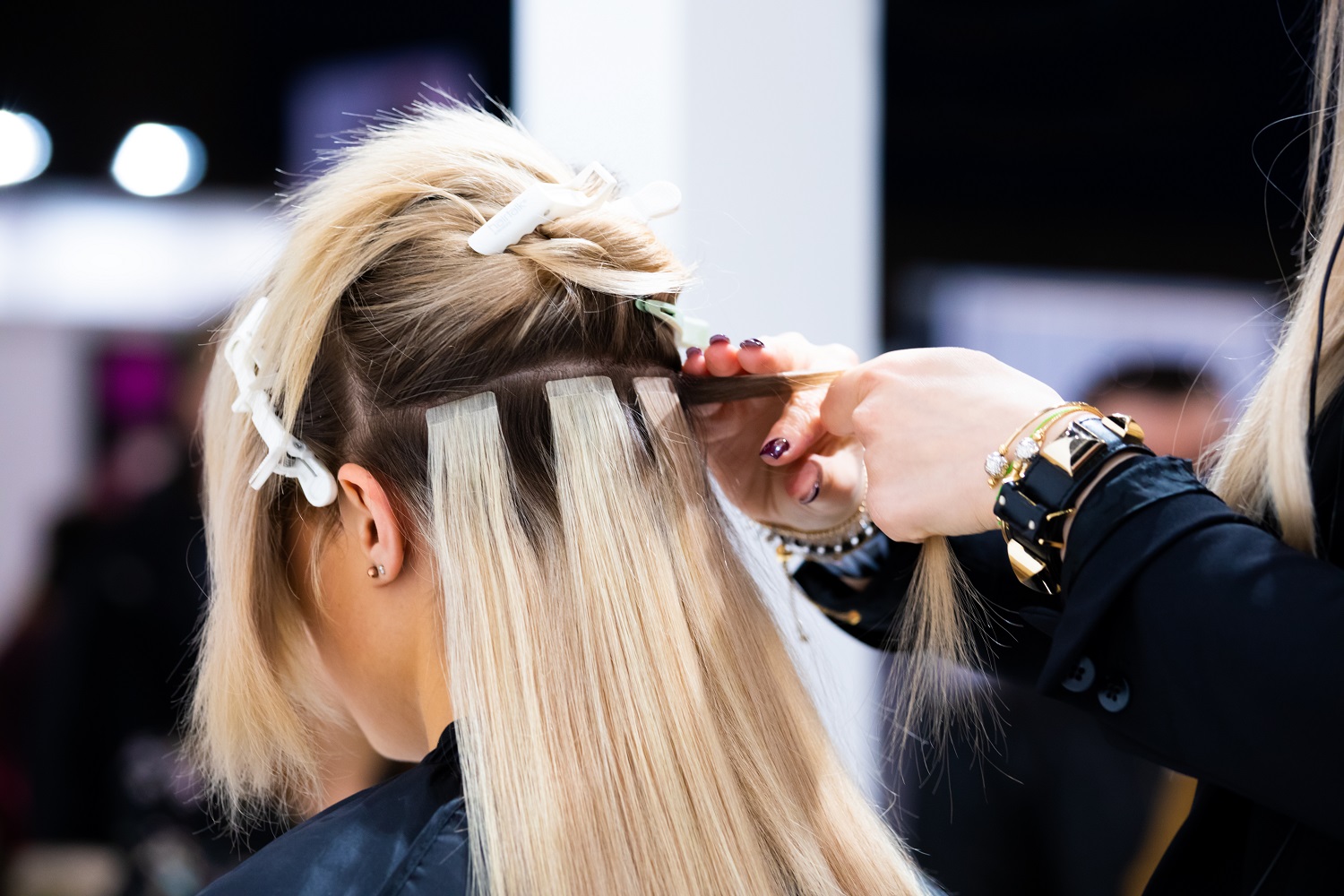
Tape-in hair extensions have become increasingly popular for those seeking to add length, volume, or both to their natural hair. As a result of this method, you can get a semi-permanent solution lasting up to eight weeks. You can learn how to apply tape to hair extensions yourself with this comprehensive guide if you’re considering them or want to learn more about them.

Tape-in hair extensions are known for their natural look and feel, as well as their relatively quick application process. They’re less damaging to your natural hair compared to some other extension methods, making them a great choice for those with fine or thin hair.

Step-by-Step Application Process

Now that you’re prepared let’s go through the application process step by step:

  1. Section Your Hair -Using your rat-tail comb, create a horizontal part about 1-2 inches above the nape of your neck. Ensure your hair is clipped up and out of your face.
  2. Prepare the Extension – Take your first tape in hair extension weft and remove the protective strip from the adhesive tape. Be careful not to touch the adhesive with your fingers.
  3. Repeat the Process – Continue this process, working your way up your head in horizontal rows. Leave about half an inch between each row of extensions.
  4. Frame Your Face – When you reach the sides of your head, angle the extensions slightly to frame your face. Natural-looking results will result from this.
  5. Blend and Style – Once all your Tape In Hair Extensions are in place, let your natural hair down and blend it with the extensions. You can use a flat iron or curling iron to style your hair and ensure a seamless blend.

Caring for Your Tape-In Hair Extensions

Proper care is essential to make your tape-in hair extensions last. Here are some care tips:

  1. Gentle Washing – Wait at least 48 hours after application before washing your hair. When you do wash, use a sulfate-free shampoo and be gentle around the tape bonds. Avoid rubbing or scrubbing the extension areas.
  2. Careful Drying – After washing, gently squeeze excess water from your hair with a towel. Let your hair air dry as much as possible, or use a blow dryer in a low heat setting.
  3. Nightly Care – Before bed, gently brush your hair to remove any tangles. Consider braiding your hair or sleeping with a silk pillowcase to reduce friction and tangling while you sleep.
  4. Regular Maintenance – Visit your stylist every 6-8 weeks for Maintenance. They can remove and reapply the extensions, keeping your hair looking fresh and preventing damage to your natural hair.

Tape-in hair extensions offer a fantastic way to transform your look without a long-term commitment. You can enjoy beautiful, natural-looking extensions by following this step-by-step guide and following the proper care techniques. Remember, practice makes perfect, so don’t be discouraged if your first application isn’t flawless. With time and experience, you’ll become an expert at applying and maintaining your tape in hair extensions.

read more
Health

How can you prepare for a PRP hair loss treatment?

Hair loss affects many individuals, causing distress and lowered self-esteem. Fortunately, innovative treatments like platelet-rich plasma (PRP) therapy offer hope for those struggling with thinning hair. If you’re considering this treatment, proper preparation is key to ensuring the best possible outcome. Making the most of PRP hair loss treatments is easy if you follow these steps.

  1. Understanding PRP hair loss treatment

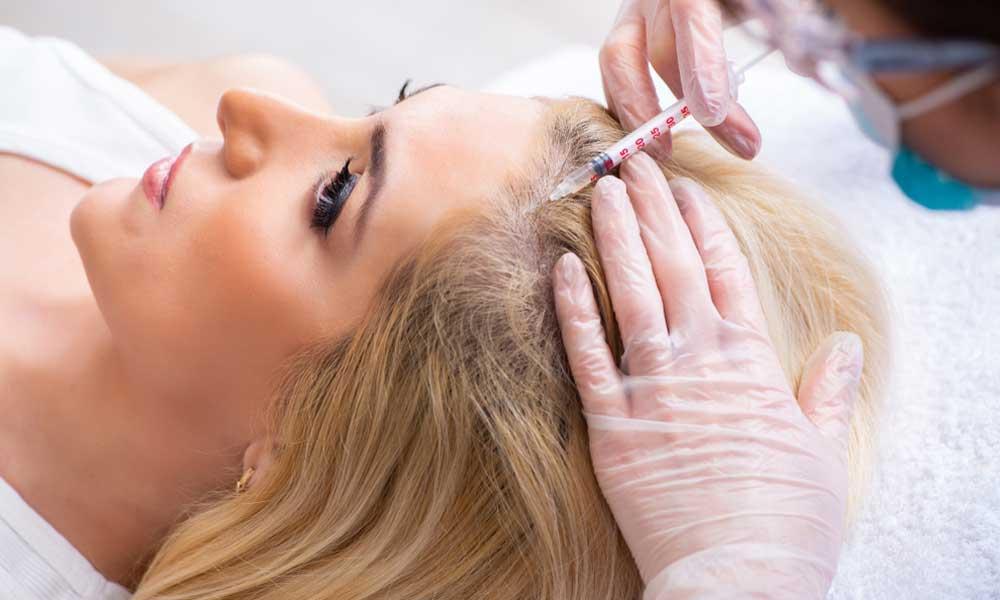
Before diving into preparation, it’s essential to understand what PRP treatment entails. This procedure involves drawing a small amount of your blood, processing it to concentrate the platelets, and then injecting the resulting plasma into your scalp. The growth factors in platelets stimulate hair follicles, potentially leading to increased hair growth and thickness.

  1. Consultation with a specialist

The first step in preparing for PRP for hair loss treatment is scheduling a consultation with a qualified specialist. During this appointment, the doctor will assess your hair loss and review your medical history as a suitable candidate for the procedure. PRP For Hair Loss has gained popularity due to its minimally invasive nature and potential for natural-looking results. Your specialist will provide specific instructions tailored to your individual needs, well-prepared for the treatment. They may recommend certain lifestyle changes or supplements to optimize your results.

  1. On the day of treatment

On the day of your PRP treatment, arrive with clean, dry hair and a scalp free from products. Wear comfortable clothing that doesn’t need to be pulled over your head, as your scalp may be sensitive post-treatment. Eat a light meal beforehand to prevent light-headedness during the blood draw. If you’re prone to anxiety, discuss this with your doctor – they may recommend strategies to help you relax during the procedure.

  1. Post-treatment care

After your PRP treatment, you’ll receive specific instructions for post-treatment care. Generally, you’ll need to avoid washing your hair for 24-48 hours and refrain from using hair products for a few days. Avoid strenuous exercise, saunas, and excessive heat exposure for a short period. Your scalp may feel tender, and you might experience some swelling – this is normal and should subside within a few days.

  1. Follow-up appointments

PRP for hair loss typically requires multiple sessions for optimal results. Your doctor will schedule follow-up appointments to monitor your progress and additional treatments as needed. Consistency is key – attend all scheduled appointments and follow your doctor’s recommendations for maintenance treatments.

  1. Managing expectations

While preparing for your PRP treatment, it’s important to manage your expectations. Results vary from person to person, and it takes several months to see noticeable improvements. Be patient and maintain a positive outlook. Remember that PRP is most effective when combined with a comprehensive hair care routine and healthy lifestyle habits.

  1. Financial Preparation

PRP treatments for hair loss are often not covered by insurance, as they’re considered cosmetic procedures. Prepare financially by discussing costs with your provider and exploring payment options. Some clinics offer package deals for multiple sessions more cost-effective in the long run.

  1. Documenting your journey

Consider documenting your hair loss treatment journey. Take “before” photos and keep a journal of your experiences. It can also serve as motivation as you begin to see improvements in your hair growth and density.

PRP is just one tool in the fight against hair loss – a holistic approach that includes proper nutrition, stress management, and overall health will give you the best chance for success. With patience and persistence soon find yourself on the path to a fuller, healthier head of hair.

read more
Health

Ultherapy in Singapore: Lift and Tighten Your Skin Without the Need for Surgery

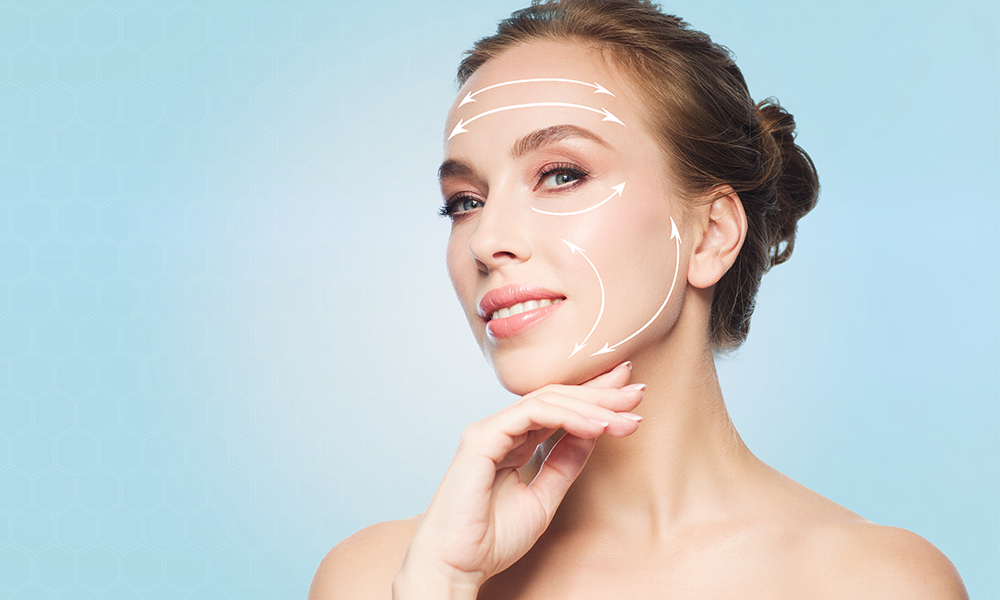
Ultherapy treatment in Singapore has emerged as a popular and effective non-surgical option for those seeking to lift and tighten their skin. As a safe and proven treatment, it harnesses the power of ultrasound technology to target the deeper layers of the skin, stimulating collagen production and providing a natural lift. This article delves into the various benefits of Ultherapy, the skin conditions it addresses, and key considerations to keep in mind.

Non-Invasive Skin Lifting and Tightening with No Downtime

One of the most significant advantages of Ultherapy treatment in Singapore is its non-invasive nature. Unlike surgical facelifts, Ultherapy does not require any incisions, needles, or recovery time. Patients can undergo the procedure and immediately return to their daily activities. This is particularly beneficial for those with busy schedules who cannot afford to take time off for recovery. The treatment is performed using ultrasound energy, which penetrates deep into the skin without disrupting the surface, making it an ideal option for those who want to achieve a lifted and tighter appearance without the risks associated with surgery.

Stimulates Natural Collagen Production

Ultherapy works by stimulating the body’s natural collagen production. Collagen is a vital protein that gives the skin its elasticity and firmness. As we age, collagen production decreases, leading to sagging and wrinkling of the skin. Ultherapy treatment in Singapore uses focused ultrasound energy to heat the deep layers of the skin, triggering the production of new collagen. This process results in a gradual and natural lifting and tightening effect that improves over time. The boost in collagen not only enhances the skin’s appearance but also strengthens its structure, providing long-lasting results.

Targets Specific Areas for Customized Treatment

Ultherapy is highly versatile and can be customized to target specific areas of concern. Whether you want to lift the brow, tighten the neck, or reduce the appearance of sagging around the jawline, Ultherapy treatment in Singapore can be tailored to meet your individual needs. The treatment can be used on various parts of the face and neck, making it an excellent option for those looking to address multiple areas simultaneously. The precision of Ultherapy allows for a more targeted approach, ensuring that the treatment is both effective and efficient.

Treats a Range of Skin Conditions

Ultherapy is not just about lifting and tightening the skin; it also addresses a variety of skin conditions that contribute to an aged appearance. One of the key benefits of Ultherapy treatment in Singapore is its ability to smooth out fine lines and wrinkles. The increase in collagen production helps to fill in these lines, resulting in a more youthful and rejuvenated appearance. Additionally, Ultherapy can improve skin texture and tone, making it an excellent option for those with uneven skin or areas of sun damage. The treatment can also reduce the appearance of under-eye bags and puffiness, providing a refreshed and well-rested look.

Long-Lasting and Natural-Looking Results

Patients who undergo Ultherapy treatment in Singapore can expect long-lasting and natural-looking results. Because the treatment stimulates the body’s own collagen production, the results develop gradually over the course of two to three months, with continued improvement for up to six months. The effects of Ultherapy can last for up to a year or more, depending on the individual’s skin condition and aging process. The gradual nature of the results means that the changes appear natural and subtle, avoiding the “overdone” look that can sometimes result from more invasive procedures.

What to Expect During and After Ultherapy Treatment

Understanding what to expect during and after Ultherapy treatment in Singapore can help ensure a comfortable and successful experience. The treatment typically takes between 30 to 90 minutes, depending on the areas being treated. During the procedure, patients may feel a mild to moderate tingling or heat sensation as the ultrasound energy is delivered. While discomfort is minimal, some patients opt for pain management options, such as numbing cream or oral pain relievers, to enhance their comfort during the session.

After the treatment, there is no downtime, and patients can resume their regular activities immediately. Some may experience mild redness, swelling, or tenderness in the treated areas, but these side effects are generally short-lived and subside within a few hours to a few days. It is essential to follow any post-treatment care instructions provided by the practitioner to maximize the benefits of the treatment and ensure optimal results.

Safety and Efficacy: Proven Results Backed by Research

Ultherapy treatment in Singapore is backed by extensive clinical research, ensuring both its safety and efficacy. The treatment has been approved by health authorities worldwide, including the FDA, for its ability to lift and tighten the skin without the need for surgery. The ultrasound technology used in Ultherapy has been proven to deliver consistent and reliable results, making it a trusted option for those seeking non-invasive skin rejuvenation. Additionally, the treatment is performed by trained and certified professionals who understand the intricacies of facial anatomy, ensuring that each session is both safe and effective.

Key Considerations Before Undergoing Ultherapy

Before deciding on Ultherapy treatment in Singapore, there are several key considerations to keep in mind. Firstly, while Ultherapy is suitable for a wide range of individuals, it may not be the best option for those with significant skin laxity or severe sagging. In such cases, a combination of treatments or alternative procedures may be recommended to achieve the desired results. It is also important to have realistic expectations; while Ultherapy can provide a noticeable lift, it does not replicate the results of a surgical facelift.

Patients should also be aware that the treatment is not a one-time solution. To maintain the benefits of Ultherapy, follow-up sessions may be necessary as the natural aging process continues. Regular consultations with a skincare professional can help determine the appropriate treatment plan and frequency of sessions.

Conclusion: A Revolutionary Approach to Skin Lifting and Tightening

Ultherapy treatment in Singapore offers a revolutionary approach to skin lifting and tightening, providing a non-invasive alternative to surgery. With its ability to stimulate natural collagen production, target specific areas, and treat a range of skin conditions, Ultherapy delivers long-lasting and natural-looking results. By understanding the benefits, what to expect, and key considerations, individuals can make informed decisions about incorporating Ultherapy into their skincare regimen for a more youthful and rejuvenated appearance.

read more
Beauty

Rosacea Treatments for Smoother, Calmer, and Healthier-Looking Skin

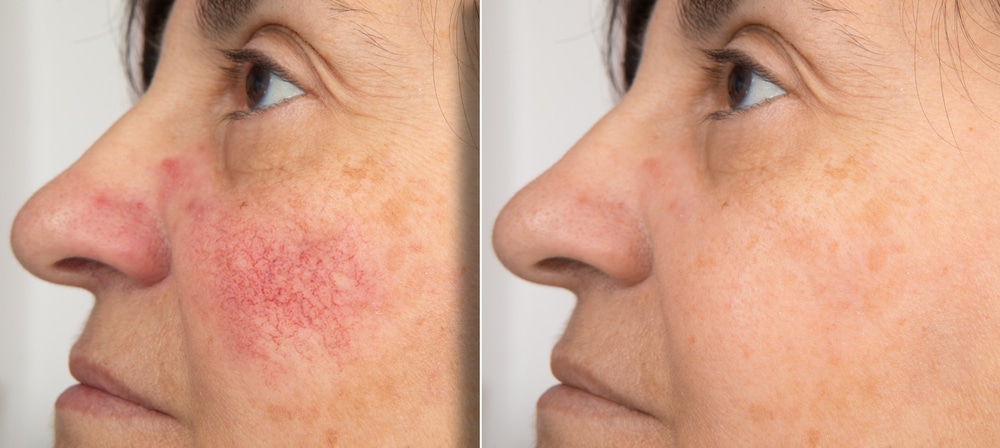
Rosacea is a chronic skin condition that manifests through redness, visible blood vessels, and, in some cases, bumps or pustules that resemble acne. With the humid and sunny climate in Singapore, rosacea flare-ups can be more frequent and severe. For those seeking smoother, calmer, and healthier-looking skin, the following rosacea treatments in Singapore offer targeted, non-surgical solutions to manage and reduce symptoms effectively.

Causes of Rosacea

  1. Sun Exposure

Prolonged exposure to ultraviolet (UV) rays can aggravate rosacea, especially in tropical climates like Singapore’s. Sun exposure is one of the leading causes of rosacea flare-ups, as UV light increases blood flow to the surface of the skin, intensifying redness and inflammation.

Treatments for this cause focus on managing the skin’s sensitivity to sunlight. Sunscreens specifically formulated for rosacea-prone skin, typically with mineral ingredients like zinc oxide and titanium dioxide, provide a physical barrier against UV rays. Additionally, wearing wide-brimmed hats and avoiding peak sun hours can help reduce exposure. For more persistent symptoms, non-ablative lasers can be used to reduce redness without irritating the skin further.

  1. Extreme Weather Conditions

The drastic shifts between heat, humidity, and cold air-conditioning in Singapore can cause sudden flare-ups in rosacea patients. The skin’s natural moisture barrier can become compromised, leading to irritation and sensitivity.

Treatment strategies here involve keeping the skin’s barrier intact and resilient. Topical creams that focus on hydrating and calming the skin, such as those containing ceramides or niacinamide, work well for this purpose. Additionally, rosacea-friendly moisturizers help to lock in moisture and soothe redness. Pico Laser treatments can also help by strengthening the skin’s outer layers, making it less reactive to environmental triggers.

  1. Stress and Emotional Triggers

Heightened emotional states, including stress, anxiety, and embarrassment, can trigger rosacea flare-ups due to the body’s stress response, which dilates blood vessels and causes redness.

To manage this cause, lifestyle adjustments are recommended alongside medical treatments. Techniques such as yoga, meditation, and deep-breathing exercises help manage stress. For more pronounced flare-ups, prescription medications like brimonidine gel are available, which constrict blood vessels temporarily to reduce redness. Low-level light therapy (LLLT) can also soothe inflammation and improve the overall appearance of the skin by reducing the visible blood vessels that result from stress.

  1. Dietary Triggers

Certain foods and drinks such as spicy dishes, alcohol, and caffeine can aggravate rosacea by increasing blood flow to the skin. Singapore’s love for rich and flavorful cuisine can thus become a challenge for those managing the condition.

Avoiding or minimizing these triggers in the diet is crucial. However, when flare-ups occur, treatments such as Intense Pulsed Light (IPL) therapy can reduce visible redness and capillaries caused by dietary triggers. Additionally, some patients find relief through topical treatments containing metronidazole or azelaic acid, which have anti-inflammatory properties and help control rosacea’s pustular components.

  1. Demodex Mites

Demodex mites, which are naturally present on the skin, can contribute to rosacea symptoms when their population increases beyond normal levels. These microscopic organisms can cause inflammation, itching, and flare-ups in sensitive skin.

Topical treatments targeting Demodex mites, such as those containing ivermectin or sulfur, work to reduce the population of these mites and alleviate associated symptoms. Pico Laser therapy can also assist in this treatment by helping to rejuvenate the skin and reduce inflammation caused by mite activity.

Effective Rosacea Treatments in Singapore

  1. Pico Laser Therapy

Pico Laser is one of the most advanced non-invasive treatments available in Singapore for addressing rosacea. This laser delivers ultra-short pulses of energy to the skin, targeting redness, visible blood vessels, and inflammation without damaging the surrounding tissue. It is particularly effective for those with rosacea prone to persistent redness and uneven skin texture.

  1. Intense Pulsed Light (IPL) Therapy

IPL therapy is another popular choice for rosacea treatments in Singapore. IPL works by emitting multiple wavelengths of light into the skin, targeting dilated blood vessels and reducing redness. It is especially beneficial for patients with visible capillaries and flare-ups triggered by environmental or dietary factors. IPL treatments usually require a series of sessions, and regular maintenance is recommended to keep the skin clear and calm.

  1. Topical Medications

Topical treatments remain one of the first lines of defense for mild to moderate rosacea. Products containing active ingredients such as metronidazole, azelaic acid, or brimonidine are commonly prescribed in Singapore. These ingredients reduce inflammation, prevent pustules, and decrease redness by constricting blood vessels. For long-term control, daily use of these topical treatments is essential, along with a customized skincare routine focused on hydration and gentle ingredients.

  1. Low-Level Light Therapy (LLLT)

LLLT is a non-invasive treatment that uses specific wavelengths of light to reduce inflammation and promote healing in the skin. For rosacea patients, LLLT can help calm irritated skin, reduce redness, and improve overall skin tone. This therapy works well when combined with other treatments like Pico Laser or IPL for comprehensive results.

What to Remember About Rosacea Treatments in Singapore

Consistency is key in managing rosacea. Due to the chronic nature of the condition, regular treatment sessions, lifestyle adjustments, and dedicated skincare routines are necessary to keep symptoms under control. Patients should work closely with their dermatologists to determine the best course of action, as treatment plans may vary depending on the severity of the condition and individual triggers.

Moreover, prevention plays a significant role. Alongside medical treatments, avoiding known triggers such as extreme heat, certain foods, and stress is essential for long-term management. Patients should always use rosacea-friendly products that are fragrance-free, alcohol-free, and designed for sensitive skin.

Rosacea treatments in Singapore are diverse and offer comprehensive options for patients at all stages of the condition. With the right combination of advanced technologies and daily care routines, achieving smoother, calmer, and healthier-looking skin is entirely possible, even in a climate as challenging as Singapore’s.

read more