Makeup has become an essential part of personal expression, confidence building, and everyday appearance enhancement. In the United States, people use Makeup not only to improve how they look but also to convey mood, creativity, and personality. For many, understanding Makeup early in their routine helps them select products that complement their skin type, lifestyle, and desired aesthetic. Rather than relying on trends alone, consumers today want to understand the science behind formulations, the techniques that create long lasting results, and the best practices that protect skin health.
Makeup is both an art and a science. It involves textures, pigments, application strategies, and the interaction between cosmetic ingredients and skin biology. A strong approach requires knowledge, skill, and thoughtful product selection. This article dives into every essential detail needed to master makeup intelligently and effectively, from foundational techniques to advanced artistry, ensuring a complete understanding of how to create looks that hold up in real world conditions while maintaining skin wellness.
How Makeup Interacts With the Skin
Makeup sits on the surface of the skin, but its effectiveness depends heavily on underlying skin conditions. Smooth, hydrated skin improves application and longevity, while dry or oily textures may cause separation, patchiness, or fading.
Skin barrier considerations
The skin barrier controls moisture retention and protects the body from environmental irritants. A strong barrier improves makeup adhesion. When the barrier is compromised, makeup may cling to dry patches or settle into fine lines.
Hydration and oil production
Different skin types affect product behavior:
- Dry skin often requires creamy or hydrating formulas
- Oily skin benefits from oil controlling or matte textures
- Combination skin needs selective application
- Sensitive skin benefits from gentle, non irritating products
Understanding skin chemistry helps in choosing products that enhance rather than disrupt appearance.
pH balance
Healthy skin has a slightly acidic pH. Harsh cleansers or incompatible products disrupt this balance, making makeup appear uneven. A well balanced skincare routine therefore supports smoother makeup performance.
Essential Makeup Categories and Their Purposes
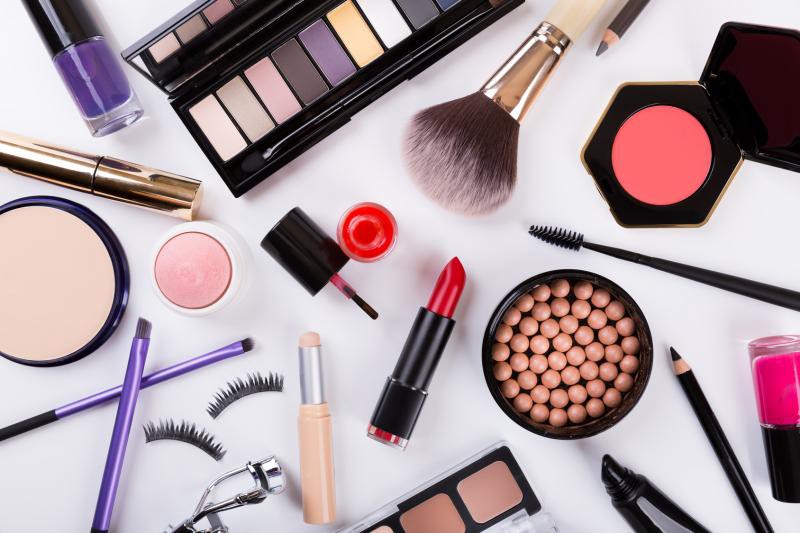
Modern makeup consists of multiple categories, each playing a specific role in enhancing facial structure, color harmony, and overall complexion.
Primer
Primer creates a base layer that smooths texture, controls oil, and improves longevity. It fills pores, softens lines, and helps foundation adhere evenly.
Types of primer
- Hydrating primer
- Mattifying primer
- Illuminating primer
- Color correcting primer
- Pore minimizing primer
Choosing the correct primer sets the tone for the rest of the routine.
Foundation
Foundation evens out complexion and creates a flawless surface. It varies in coverage, finish, and formulation.
Foundation finishes
- Matte
- Natural
- Dewy
- Satin
Foundation coverage levels
- Sheer
- Medium
- Full
The correct shade and undertone are crucial. Undertones include warm, cool, and neutral.
Concealer
Concealer brightens the under eye, hides blemishes, and corrects discoloration. Its texture and coverage must be chosen based on specific needs.
Common uses for concealer
- Covering dark circles
- Hiding acne marks
- Neutralizing redness
- Sharpening makeup edges
- Highlighting facial areas
Setting products
Setting sprays and powders lock makeup in place. Powders control shine and smooth the surface. Sprays bind layers of makeup together to resist smudging.
Eye makeup
Eye makeup frames the face and enhances natural features.
Components of eye makeup
- Eyeshadow
- Eyeliner
- Mascara
- Brows
Each category impacts the final look’s depth and definition.
Lips
Lip color shapes the tone of the look. Gloss, lipstick, stains, and balms each serve different roles.
Blush, bronzer, and highlight
These complexion enhancers add dimension, warmth, and glow. Without them, makeup can appear flat or unnatural.
Advanced Makeup Techniques
Mastering advanced techniques helps create polished, camera ready looks.
Contouring and sculpting
Contouring uses shadows to define features. It can adjust the appearance of cheekbones, nose structure, jawline shape, and forehead proportions.
Contouring strategies
- Cream formulas for a natural finish
- Powder formulas for structured looks
- Blending techniques to avoid harsh lines
Highlighting
Highlighting creates glow and enhances light reflecting areas.
Key highlight placement
- Cheekbones
- Brow bone
- Nose bridge
- Cupid’s bow
Proper placement enhances symmetry and balance.
Color theory in makeup
Understanding color theory improves shade selection.
Color theory principles
- Opposite colors on the color wheel neutralize each other
- Undertones influence shade matching
- Warm tones complement gold and peach hues
- Cool tones complement pink and blue hues
Corrective techniques using color theory
- Green concealers reduce redness
- Peach tones correct dark circles
- Lavender brightens sallow areas
Long Lasting Application Strategies
Makeup longevity depends on prep, technique, and product interaction.
Skin preparation
- Clean skin
- Lightweight moisturizer
- Primer based on skin needs
Layering
Thin layers prevent caking and cracking. Build coverage gradually.
Setting
Powder sets liquids in place. Spray extends wear and prevents transfer.
Tools and Their Impact on Application
Tools determine texture, finish, and blending quality.
Brushes
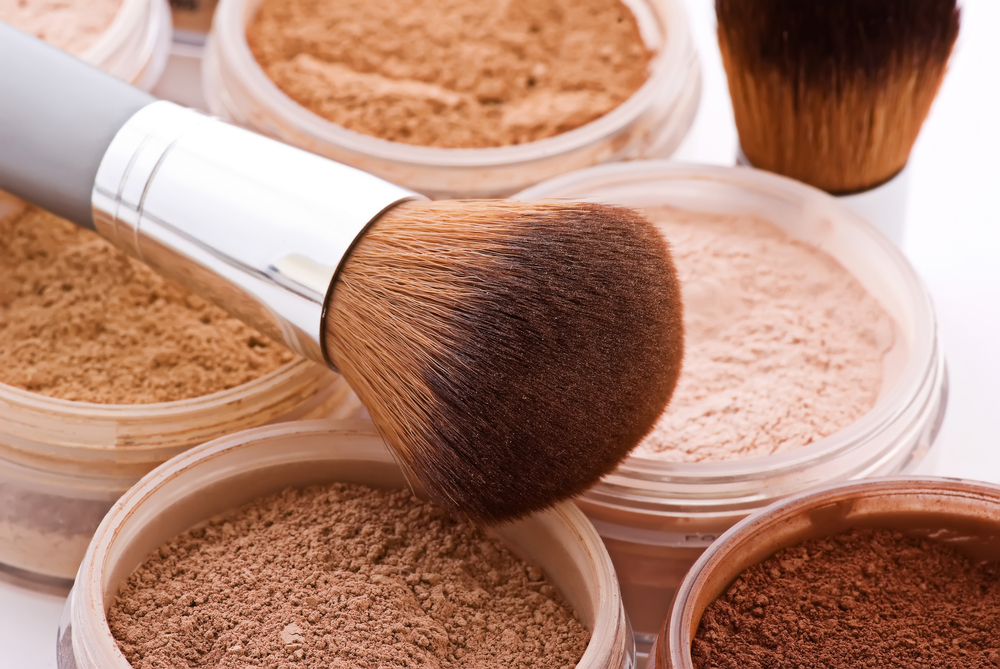
Brushes vary in density, fiber type, and shape. Dense brushes increase coverage, while fluffy ones soften edges.
Sponges
Sponges create natural, skin like finishes and work well for liquids.
Fingers
Finger application warms creams and allows quick blending for natural looks.
Makeup for Different Skin Types
Different skin types require tailored product selections.
Makeup for oily skin
- Mattifying primer
- Oil free foundation
- Fine milled setting powder
- Long wear formulas
Makeup for dry skin
- Hydrating prep
- Cream and liquid formulas
- Minimal powder to prevent patchiness
Makeup for sensitive skin
- Fragrance free options
- Patch testing new products
- Avoiding heavy alcohol based sprays
Makeup for Different Age Groups
Aging changes skin texture and elasticity, requiring technique adjustments.
Young adults
Focus on experimentation and foundational technique.
Adults in their 30s and 40s
Prioritize balance between coverage and skin radiance.
Mature skin
Use hydrating formulas, avoid heavy mattes, and emphasize glow.
Makeup Hygiene and Product Safety
Hygiene impacts both skin health and makeup performance.
Essential hygiene practices
- Regular brush washing
- Avoiding expired makeup
- Sanitizing lip and eye products
- Not sharing personal tools
Risks of poor hygiene
- Breakouts
- Eye infections
- Irritation
- Product degradation
Makeup and Self Expression
Makeup is not only functional. It is a form of artistic communication.
Emotional influence
Makeup can boost confidence, motivation, and creativity.
Cultural significance
Makeup traditions vary across cultures and hold symbolic meaning.
Professional impact
Polished makeup can enhance workplace presence and personal branding.
Frequently Asked Questions
Why does my makeup separate or break apart during the day
Separation often occurs when skincare products are incompatible with foundation formulas. For example, using a heavy oil based moisturizer under a water based foundation can cause slipping. Adjusting prep products or switching to lighter moisturizers can improve wear time.
How do I find the correct foundation undertone
Observe the veins on your wrist or match foundation to your chest area. Blue or purple veins suggest cool undertones, green veins indicate warm undertones, and a mix signals neutral undertones.
Why does concealer crease under my eyes
Creasing happens when too much product is applied or the under eye area is not hydrated properly. Using a small amount of concealer and lightly setting with powder helps reduce creasing.
How do I keep makeup from looking cakey
Caking occurs from over layering. Using thin layers, blending thoroughly, and avoiding heavy powder application prevent this issue. Hydrating sprays can also melt makeup into the skin for a natural finish.
Can makeup improve the appearance of textured skin
Makeup cannot erase texture, but it can minimize its appearance. Techniques include using smoothing primers, choosing lightweight foundations, and applying powder sparingly. Heavy formulas tend to exaggerate texture.
If you would like a version tailored to beginners, professionals, influencers, or specific skin concerns, I can create a customized makeup guide fitting your goals.