Skin Care

Skin Care

How Is XERF Different from Traditional Radiofrequency Skin Tightening?

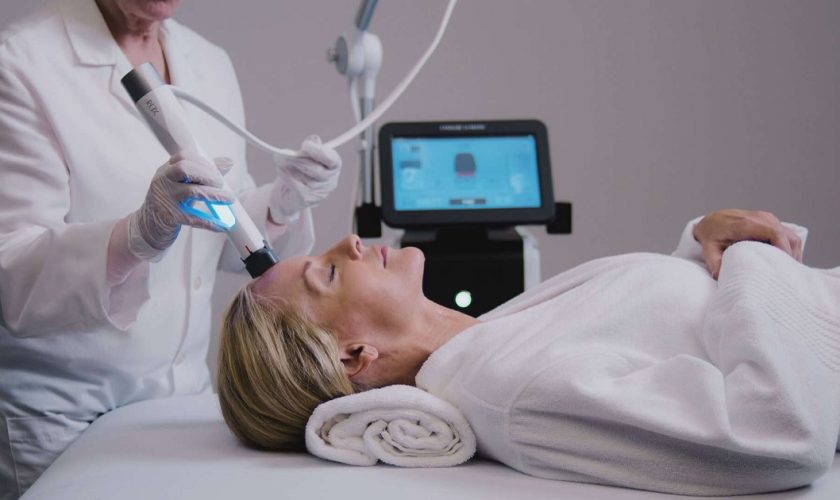
“XERF is a non-invasive, multifrequency monopolar RF lifting treatment that combines 6.78 MHz and 2 MHz radiofrequency to reach the deepest supportive layers of the face, targeting subcutaneous fat, SMAS, and anchoring ligaments to firm, lift, and rejuvenate skin from its deep foundation!”

  • Did you know XERF is a truly customizable structural skin-tightening treatment, with three depth settings and ten intensity levels to better smooth and tighten, personalized for each patient?
  • Did you know XERF skin tightening treatment targets multiple skin layers simultaneously? In contrast, traditional RF skin tightening uses a single frequency (usually around 6.78 MHz), and focuses primarily on the upper dermis for basic collagen proliferation.
  • Did you know this advanced, no-downtime procedure, XERF, requires no numbing, injections, or healing time, and delivers energy not just deeper but exactly where you need it most, producing smoother, tighter, more rejuvenated skin?
  • Did you know tradition radiofrequency skin tightening generally improves fine lines and mild surface laxity, but XERF reaches deep adipose tissues and fascial planes, providing deeper lifting and a defined jawline and neck contour without needles or surgery?

As trends shift over time, breakthroughs in science and technology each year have also changed aesthetic treatment, especially in the anti-aging space, sparking new conversations.

The best results-centric approach is one that focuses more on “how” than “why,” airing the cosmetic conversation in full detail, where cutting-edge technology is not merely a cost-accelerating factor but the most important driver of custom-tailored results. At ROXSpa Beverly Hills, Dr. Jay Calvert and the team deliver high-energy treatment safely, keeping pain minimal, with no downtime and no surface injury.

How Is XERF Different from Traditional Radiofrequency Skin Tightening?

For patients considering XERF treatment in Beverly Hills, XERF is a specific RF platform, not an alternative to RF itself.

Traditional radiofrequency skin tightening and XERF both use radiofrequency energy and share the same underlying science: delivering controlled electrical currents into the skin to generate heat. This heat creates a targeted micro-injury that accelerates the body’s natural healing response, leading to more production of new collagen and elastin over time. However, the key difference lies not in the type of radiofrequency energy used, but in how that energy is engineered and delivered to the skin and underlying tissues.

What is Traditional RF Skin Tightening?

RF skin tightening is a broad category that includes different types of radiofrequency devices and treatment approaches, with different configurations, including monopolar, bipolar, or multipolar RF, depending on the depth and type of skin concern. The electromagnetic waves used in RF heat targeted tissue, creating controlled micro-injuries that activate new collagen and elastin production. Moreover, controlled dermal heating can produce immediate collagen changes, followed by long-term remodeling and neocollagenesis, repairing tissue and rebuilding the skin’s structural matrix without damaging the surface.

Configurations of RF Devices:

Monopolar RF: Delivers energy through a single treatment tip that travels deep into the tissue, reaching depths of up to 20 mm depending on the settings. It is a gold-standard technique for lifting sagging skin around the jawline, neck, and brows (e.g., Thermage).

Bipolar RF: The depth of the energy is strictly limited to half the distance between two poles, focusing entirely on the skin’s surface and upper dermis. It is highly effective in treating early signs of aging, smoothing rough skin, and minimizing large pores.

Multipolar / Tripolar RF: It combines two or more active electrodes to distribute radiofrequency energy evenly, which heats both superficial and medium-depth layers of the skin. It is excellent for treating mild to moderate skin laxity on the face, neck, and jawline. It is often used on smaller body areas, such as the arms, abdomen, or thighs, to target superficial fat and smooth the skin.

Fractional RF: It delivers energy in micro-channels to create controlled microscopic wounds, which helps encourage a healing response while leaving surrounding tissue untouched. It allows deep collagen remodeling and simultaneous skin resurfacing with significantly less downtime than traditional ablative lasers.

Microneedling RF: Radiofrequency energy is combined with tiny needles to puncture the skin and deliver a pulse of RF thermal energy deep into the skin. The process accelerates the wound-healing response, promoting collagen Type I, Type III, and Elastin production to rejuvenate the skin from the inside out. It is highly effective in tightening the jawline, reducing turkey neck, and smoothing stubborn neck lines.

What Is XERF Skin Tightening?

XERF is an FDA-approved, multifrequency, monopolar radiofrequency system that combines 6.78 MHz and 2 MHz RF frequencies to target multiple skin layers effectively for precise, customized energy delivery. XERF is one of those rare technologies, originally developed in South Korea before expanding into the U.S. cosmetic treatment industry, that is truly transforming non-invasive anti-aging treatment and is now considered the next-generation non-surgical lifting. It uses real-time skin analysis to tailor energy delivery based on the patient’s skin thickness and laxity concerns. However, XERF allows cosmetic surgeon/ certified aestheticians to adjust frequencies, pulse technologies, and depth settings based on the patient’s facial anatomy and skin concerns. In addition, the XERF system incorporates cooling technology and more even energy distribution, making you feel more comfortable during the treatment session while stimulating the body’s own collagen.

XERF vs. Traditional RF: What Are the Main Differences?

“XERF is RF, but not all RF skin tightening is XERF.”

The fundamental differences between XERF and traditional RF skin tightening system lies on the way of delivering the RF energy, the combination of frequencies used, treatment customization, and, of course, the way energy is designed to reach different tissue depth is, because both XERF and RF work on radiofrequency energy, but they deploy it in a completely different fashion.

XERF is a dual-frequency, monopolar system, but Traditional RF may employ a single RF frequency or a different RF configuration:

XERF combines 6.78 MHz and 2 MHz frequencies, allowing energy to be delivered at different depths based on treatment needs. XERF uses 6.78 MHz to target the dermis, or the middle layer of the skin, to accelerate skin tightening and smoothing. Lower 2 MHz frequencies allow XERF to deliver energy deeper into the tissue, heating near the SMAS plane and generating a thermal effect that triggers deep-tissue contraction and collagen remodeling.

The 2 MHz setting helps address structural concerns like sagging jawlines, jowls, deep nasolabial folds, and mild-to-moderate skin laxity. Moreover, the 6.78 MHz frequencies are customized for those patients looking to improve superficial skin texture, smooth fine lines, shrink pores, and boost elasticity.

On the other hand, an RF system may use a single frequency or a different RF configuration to deliver energy at one set frequency. The RF system focuses its thermal energy primarily in the upper and mid-dermis to smooth fine lines and surface texture.

XERF is designed to improve structural skin tightening, while traditional RF primarily focuses on superficial skin remodeling:

The key differences between XERF and traditional RF devices lie in how deep the energy can reach and how the devices adapt to the shallow, middle, and deeper tissue levels. The XERF system uses a multi-tiered approach that dynamically adapts its energy profile to target the upper, middle, and deeper tissue layers simultaneously, acting like an automatic transmission for energy delivery. In contrast, traditional RF systems use a static approach that delivers a single, fixed frequency (usually 6.78 MHz) at a uniform depth, allowing practitioners to rely on manual energy adjustments to manage patient comfort and tissue resistance.

Note: Patients should understand that non-invasive RF treatments are designed to produce soft tissue tightening and collagen remodeling; it does not reposition facial tissues in the same way as a surgical facelift.  

A custom-tailor treatment approach is an advanced attribute of the XERF system:

A treatment can be customized based on the patient’s age, aesthetic goals, skin profile, and treatment area, influencing the overall outcomes of non-surgical skin tightening. At ROXSpa, our expert providers create a highly individualized treatment plan by incorporating XERF’s accurate impedance feedback. This lets the practitioner perform real-time skin analysis and provides three depth settings and ten intensity levels to deliver energy that best suits your skin concerns and facial anatomy.

Traditional RF devices operate on a single frequency, which concentrates heat uniformly in the shallow to mid-dermis. However, if a patient has concerns of deep structural skin laxity, the conventional RF system cannot change its depth profile. Moreover, traditional RF systems rely entirely on the practitioner’s manual visual assessments to guess tissue characteristics, leaving too much room for human error and inconsistent results.

XERF can offer a more comfortable treatment experience:

Traditional RF devices may feel hot, pressuring, or slightly uncomfortable, depending on the device and treatment settings. But XERF incorporates Advanced Integrated Cryogen Delivery cooling technology, which helps control energy delivery while maintaining surface temperature, providing a warming sensation and a more comfortable experience. However, XERF does not require numbing, needles, or downtime, but the treatment experience may vary from patient to patient based on their personal pain threshold and specific skin anatomy. Because everyone has unique nerve sensitivity and tissue structure, XERF can provide a customized treatment plan to ensure optimal results, maximum safety, and a hassle-free experience.

Both Approaches rely on controlled thermal effects:

Despite differences between devices, both XERF and traditional RF systems rely on controlled radiofrequency energy to heat tissue, encourage a wound-healing response, and stimulate new collagen production and connective-tissue remodeling. However, XERF should not be considered a replacement for the fundamental science of radiofrequency skin tightening, but rather an advanced approach to delivering RF energy.

FAQs About XERF Skin Tightening Treatment

  • Can XERF Replace a Facelift?

Absolutely not. XERF is designed to produce soft tissue tightening and ongoing collagen rebuilding for improved firmness and texture; it does not reposition facial tissue, which only a surgical facelift can achieve. The type of treatment recommended, whether surgical or non-surgical, depends on the patient’s aging status, skin anatomy, age, and treatment goals; however, an in-person consultation with a board-certified cosmetic surgeon is essential before considering any anti-aging option that best fits your goals. Moreover, patients with mild to moderate skin laxity may be recommended for a non-invasive skin-tightening option. Still, those dealing with significant jowling, substantial excess skin, or more advanced facial aging may find surgical facelifting the right choice to achieve the desired level of correction and a more rejuvenated appearance.

  • Who May Be a Candidate for XERF?

Patients with mild to moderate skin laxity and aging concerns in the face, jawline, lower face, and neck who want a non-surgical approach to facial rejuvenation are a good fit for XERF skin tightening treatment.

Candidacy criteria to get a recommendation for XERF may include:

  • One who wants structural lifting and refinement without going under the knife, or one who cannot commit to the downtime or side effects associated with surgical procedures during healing.
  • Patients in their 30s and 60s, as their skin still has a strong cellular capacity to produce a rich collagen response.
  • Post-weight-loss patients who have reached their goal weight but now have saggy, loose skin around the lower face, cheeks, or jawline.
  • Younger patients who want to proactively delay signs of aging, or those who have had previous facial rejuvenation surgery and want to maintain their structural lift over time.
  • Is XERF the Same as Thermage?

No, although both use monopolar RF technology, they are different systems. In one hand, Thermage FLX is a predicate device. It lists different technical characteristics, including energy and frequency parameters; on the other hand, XERF incorporates its own technology, frequencies, treatment settings, cooling system, and delivery approach.

  • Is XERF Safe?

XERF is an FDA-approved, advanced multifrequency monopolar RF skin-tightening system, meaning the device has FDA clearance and a guarantee of specific cosmetic outcomes. XERF received FDA 510(k) clearance in 2025. As with any energy-based medical device, appropriate patient selection matters, and a provider’s expertise and certification matter most for a safe, result-focused treatment experience.

For patients in Beverly Hills and Newport Beach, Southern California, considering XERF, it is mandatory to discuss your treatment goals and have your skin and aging status evaluated by a board-certified cosmetic surgeon to determine whether a non-surgical RF skin tightening approach or a surgical facelift is more appropriate based on your case or degree of facial aging to be addressed.

Call today at 310.777.8800 or 949.644.2858 to book your consultation.
read more
Skin Care

Why Mohs Surgery Is Considered the Gold Standard for Skin Cancer

Key Takeaways

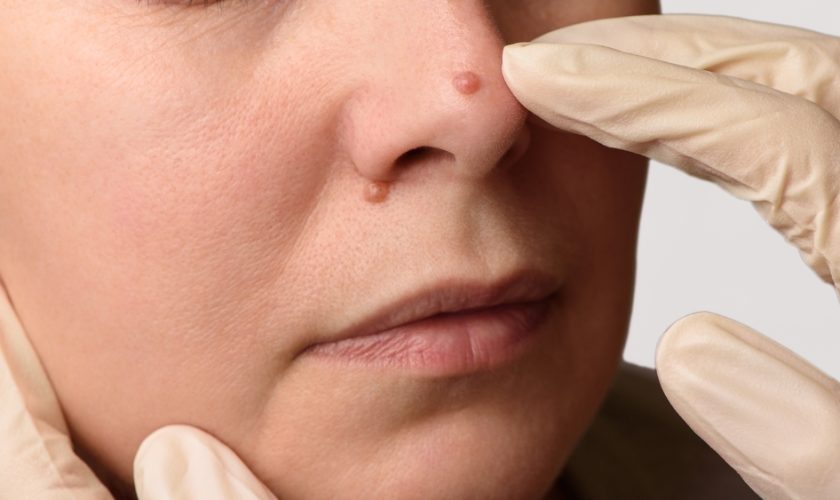
Known as the gold standard for treating skin cancer, Mohs surgery takes a precise approach by removing cancerous tissue layer by layer, ensuring that no malignant cells are left behind.

This method dramatically reduces the chances of skin cancer recurrence, with statistics indicating a reduction rate ranging from 5 to 99 percent, influenced by various factors such as the type and location of the cancer.

Particularly effective for non-melanoma skin cancers like basal cell carcinoma and squamous cell carcinoma, Mohs surgery provides a remarkable cure rate that outshines many conventional techniques.

The aesthetic results of Mohs surgery often get overlooked; its goal is to achieve optimal cosmetic outcomes, resulting in reduced scarring and an enhanced sense of confidence for patients after the procedure.

Conserving healthy tissue is another significant advantage of Mohs surgery, leading to a quicker, more comfortable recovery with fewer incisions compared to traditional excisions.

After undergoing Mohs surgery, patients typically face fewer follow-up appointments, allowing them to reclaim their time and concentrate on recovering instead of attending numerous medical visits.

There is often confusion regarding insurance coverage for Mohs surgery; many plans classify it as medically necessary for skin cancer treatment, making it crucial to verify specific policy details.

Why Mohs Surgery is the Gold Standard for Skin Cancer Treatment

The Precision of Mohs: Why Margins Matter

Experts in dermatology regard Mohs surgery as the gold standard for managing skin cancer, and it’s easy to understand why. The procedure is centered on removing cancerous tissue layer by layer, carefully analyzing each layer under a microscope before moving forward, which ensures thorough removal. Patients often question the necessity of such precision. The importance lies in surgical margins; a clear margin signifies that no cancer cells remain at the tissue edges, significantly improving the odds of successful treatment outcomes.

Research underscores that achieving clear margins can substantially lessen the risk of recurrence. Dermatological professionals firmly believe that this meticulous level of attention not only increases the likelihood of success but also diminishes anxiety surrounding recurrence. Patients typically express reassurance, knowing their surgeon is leaving nothing to chance.

How Mohs Surgery Minimizes Recurrence Rates

Statistics reveal that Mohs surgery can shrink the likelihood of cancer returning anywhere from 5 to 99 percent, a broad range that reflects various factors such as cancer type and location. Patients often find themselves grappling with fears about future procedures and treatments. Consider this: many who opt for Mohs report a notable decrease in anxiety regarding cancer recurrence. The effectiveness of this detailed approach is undeniable.

Think of it this way: a strong foundation doesn’t just enhance a house; it ensures its durability. The same principle applies to skin cancer removal. Mohs surgery lays a solid groundwork for long-term skin health.

Understanding the Dermatological Edge of Mohs Techniques

While many may not grasp the detailed workings of Mohs techniques, it’s rooted in its complex applications in dermatology. Designed for non-melanoma skin cancers, particularly basal cell carcinoma and squamous cell carcinoma, this innovative technique assesses the entire tissue sample. Unlike other methods that focus only on visible growths, Mohs evaluates every layer. The result? An impressively high cure rate that many conventional methods struggle to match.

However, it’s worth noting that not every patient necessitates Mohs surgery. Factors such as cancer diagnosis and personal health history heavily influence professional recommendations. For those who meet the eligibility criteria—especially with high-risk skin cancers—this technique emerges as the clear frontrunner.

The Unseen Benefits of Mohs Surgery Beyond Cancer Removal

Cosmetic Outcomes: Looking Good After Cancer Care

An impressive facet often forgotten by patients is the aesthetic result following surgery. Professionals emphasize that Mohs surgery goes beyond effective cancer removal; it also aims for the best cosmetic outcomes. Many techniques employed don’t demand extensive skin grafts or significant reconstruction, resulting in a less invasive procedure. This means minimal scarring, a vital aspect for many navigating the emotional landscape of skin cancer treatment.

In a field where appearance holds weight, Mohs leads the way in helping individuals restore their skin integrity after a tough chapter. Clients frequently share feelings of renewed confidence, something that can be as crucial as the cancer treatment itself.

Less Tissue Loss: The Impact on Healing and Recovery

Another less-discussed yet pivotal feature of Mohs surgery is the preservation of healthy tissue, which greatly eases the healing process. Fewer incisions usually result in reduced recovery time. Patients often discover that Mohs surgery is about smart excision, not merely excision. Thus, recovery tends to occur quicker and with less discomfort overall.

Due to less tissue loss, professionals celebrate the method’s potential to create a more comfortable healing journey post-surgery. A smoother recovery could even encourage patients to adhere to follow-up appointments, as the experience feels far less overwhelming.

Cutting Down on Follow-Up Appointments: What Patients Can Expect

The aspect of time often weighs heavily for individuals considering any medical procedure. Mohs surgery cuts down on the requirement for extensive follow-up care, which can otherwise fill a patient’s schedule. Traditional excisions generally necessitate multiple post-operative appointments to monitor healing and ensure complete recovery, whereas Mohs patients usually endure fewer follow-ups. This translates to less time spent in waiting rooms and more time reclaiming life after cancer.

It’s easy to crave a straightforward experience. With Mohs, patients can rest easy knowing they’ve received comprehensive treatment, significantly decreasing ongoing visits and associated concerns.

Mohs Surgery Myths Debunked: What Patients Need to Know

Is Mohs Surgery Painful? Separating Fact from Fiction

Concerns about discomfort are common before any surgical procedure, and Mohs surgery isn’t immune to such worries. Some fears suggest the procedure is inherently painful. However, many patients report only mild to moderate discomfort rather than the unbearable agony they fear. Anesthetics effectively ensure comfort during the operation. While minor discomfort may linger post-surgery, adequate pain management techniques are typically in place.

“The fear of pain often overshadows the benefits of Mohs surgery.”

The Time Investment: How Long Does Mohs Really Take?

When it comes to time, Mohs surgery might seem intimidating. On average, patients find themselves in the clinic for about 2 to 4 hours, encompassing the surgical procedure, examinations, and any necessary post-operative care. Delays could occur if additional layers require removal. Still, considering the thoroughness of the procedure, the time invested is minimal compared to traditional treatments that may involve multiple visits and layers of tissue removal.

Preparation can make all the difference. Knowing what to expect tends to facilitate a smoother process overall. Patients who are aware of this timeframe often feel more relaxed heading into surgery.

Insurance Coverage: What Patients Often Overlook

Insurance intricacies surrounding Mohs surgery often lead to confusion. Some patients operate under the impression that their coverage might not include this essential treatment. However, many insurance plans do cover Mohs surgery, viewing it as medically necessary for skin cancer management. Professionals recommend double-checking policies and confirming coverage specifics with providers. Understanding these nuances can alleviate financial burdens, enabling patients to focus on recovery instead.

Though navigating insurance can be a hassle, it shouldn’t pose an insurmountable obstacle to essential care.

Working through the Mohs Surgery Journey: A Thorough Patient Guide

Pre-Operative Expectations: What to Prepare Beforehand

Preparation can greatly influence the surgical experience. Patients should arrive with a list of their current medications and any known allergies or dermatological conditions. Staying organized can enhance efficiency on the surgery day. Additionally, arranging for someone to drive them home afterward is wise, as anesthesia can linger. Keeping these considerations in mind sets the stage for a smooth experience from start to finish.

  • Gather a list of medications
  • Arrange for transportation post-surgery
  • Ask questions in advance of the procedure

With proper preparation, there’s little reason for patients to face undue stress before surgery.

Post-Operative Care: Ensuring Optimal Recovery

Post-operative guidelines are crucial for uninterrupted healing. Clients should maintain cleanliness of the surgical site, avoid strenuous activities, and adhere to all provided instructions. Such measures can significantly enhance recovery outcomes. Experts highlight the importance of thorough aftercare; neglecting these steps could result in complications. Grasping these recommendations sets the ideal foundation for a successful recovery.

  • Keep the area clean
  • Avoid strain or heavy lifting
  • Follow all care instructions faithfully

A positive mindset during recovery cannot be overstated.

Patient Testimonials: Real-Life Mohs Surgery Experiences

Hearing patient stories can provide valuable insight into the Mohs surgery experience. Testimonials reveal tales of resilience and victory. Many express gratitude not only for the successful removal of cancer but also for the emotional journey that accompanies healing. These narratives celebrate the process of surgery while highlighting the quiet confidence that evolves from successful outcomes.

For anyone embarking on this journey, connecting with those who have walked this path can be enlightening. Their insights often offer invaluable perspectives. Patients commonly report feeling a significant sense of relief once they understand what lies ahead.

FAQ

What are the typical recovery times after Mohs surgery?

Recovery times can differ based on individual health and the specifics of the procedure. Generally, patients experience minimal downtime, with many returning to normal activities within a few days. While some might feel minor discomfort for a short while, effective pain management usually promotes quicker recovery.

Are there specific post-operative care routines to follow?

Absolutely. After Mohs surgery, it’s crucial for individuals to focus on keeping the surgical site clean, avoiding strenuous activities, and diligently following aftercare instructions provided by their doctor. Such routines are vital for reducing complications and ensuring optimal healing.

How does Mohs surgery compare with traditional excision methods?

Mohs surgery is frequently seen as the superior choice, especially for certain non-melanoma skin cancers. Traditional excisions might involve larger tissue removal and often lack the guarantee of complete cancer clearance as effectively. The precision of Mohs results in lower recurrence rates and superior cosmetic outcomes, making it a favored option.

What factors determine whether a patient is eligible for Mohs surgery?

Eligibility for Mohs surgery primarily depends on the type and stage of skin cancer, the tumor location, and the patient’s overall health. Medical professionals closely evaluate these factors to determine if Mohs is the appropriate course of action for each patient.

Can Mohs surgery be performed on any part of the body?

Mohs surgery is applicable to various skin areas, though certain regions—such as the face, ears, and hands—often derive the most significant benefits from this method given its cosmetic advantages. Each case is assessed individually, factoring in the specific risks and benefits of the site involved.

What should patients expect during the Mohs surgery procedure?

During the surgery, patients can expect local anesthesia to numb the area, followed by the surgeon carefully removing thin layers of skin to examine. This process continues until all cancerous cells are eradicated, ensuring a thorough and effective treatment approach.

Are there any special considerations for elderly patients undergoing Mohs surgery?

Older patients might benefit from additional pre-operative evaluations to address any underlying health concerns. While Mohs surgery is generally deemed safe for seniors, healthcare professionals tailor their strategies to accommodate unique challenges, ensuring a smooth procedure and recovery.

What role do patient testimonials play in understanding the Mohs surgery experience?

Patient testimonials provide essential insights into the emotional and physical journey associated with Mohs surgery. Hearing direct accounts can foster a sense of reassurance and community among prospective patients, emphasizing the positive outcomes and experiences of others who’ve navigated a similar path.

read more
Skin Care

The Complete Guide to Skin Care: Science, Daily Routines, Long Term Health, and Product Understanding

Skin care is one of the most influential parts of personal wellness in the United States, impacting confidence, comfort, and long term health. For many individuals, Skin Care represents far more than a beauty practice. It forms the foundation of healthy aging, protective defense, and stable skin function. In the second paragraph, understanding Skin Care as a science driven discipline rather than a trend helps people select the right products, maintain consistency, and build routines that support their natural complexion through each stage of life.

The skin is a living organ that responds to environment, nutrition, sleep habits, hormones, topical ingredients, and stress. When properly cared for, it functions as a resilient barrier that defends the body from pollutants, bacteria, UV radiation, and dehydration. Without proper routine and protection, the skin becomes prone to irritation, premature aging, dullness, and inflammation. Effective skin care requires understanding how skin works, which ingredients matter, how routines should evolve, and how to create a balanced strategy that supports long term health.

Understanding the Skin’s Structure and Function

Healthy skin begins with understanding the layers and their roles. Each layer contributes to how skin looks and how it responds to products and environmental factors.

Epidermis

The epidermis is the outermost layer responsible for protection and moisture retention. It contains cells that continually shed and renew. A healthy epidermis ensures smooth texture and even tone.

Dermis

The dermis sits beneath the epidermis and contains collagen, elastin, blood vessels, and nerves. It provides strength, elasticity, and structural support. Damage to collagen leads to wrinkles, sagging, and reduced firmness.

Subcutaneous layer

This layer contains fat cells that insulate the body and cushion underlying structures. It supports temperature regulation and provides shape to the face.

Key Factors That Influence Skin Health

Many lifestyle and environmental influences directly affect how the skin behaves. Understanding these factors helps tailor a skin care routine.

Hydration

Water intake and moisture retention determine elasticity, softness, and glow. Dehydrated skin becomes dull and vulnerable to irritation.

Nutrition

Foods rich in antioxidants, vitamins, and healthy fats support cell repair and reduce inflammation. Poor dietary habits often reflect in breakouts, uneven tone, and dryness.

Hormones

Hormonal fluctuations impact oil production, sensitivity, and inflammation. Periods of hormonal imbalance often cause breakouts or texture changes.

Stress

Stress triggers cortisol release, which affects oil glands and disrupts healing. Persistent stress can worsen acne and sensitivity.

Sleep

Skin regenerates most effectively during sleep. Poor sleep slows cell turnover and contributes to dark circles and dullness.

Environment

Pollution, humidity changes, cold air, and sun exposure all influence barrier strength and moisture levels.

Building a Successful Skin Care Routine

A structured routine should address cleansing, hydration, nourishment, protection, and targeted concerns. The goal is to reinforce the skin barrier while correcting visible issues.

Cleansing

Cleansing removes debris, oil, sweat, and pollutants. A good cleanser supports a balanced complexion without stripping natural oils.

Types of cleansers

  • Gel cleansers for oily or combination skin
  • Cream cleansers for dry or sensitive skin
  • Foaming cleansers for those who prefer a deep clean
  • Oil cleansers for removing makeup and sunscreen

Double cleansing is effective for heavy sunscreen use or makeup wearers.

Exfoliation

Exfoliating removes dead skin cells that block pores and dull the complexion.

Types of exfoliation

  • Chemical exfoliation (AHAs, BHAs, PHAs)
  • Enzyme exfoliation for sensitive skin
  • Physical exfoliation with gentle tools

Exfoliation frequency should match skin sensitivity. Over exfoliating causes irritation and barrier damage.

Moisturizing

Moisturizers lock in hydration and reinforce the barrier. They prevent water loss and support smooth, comfortable skin.

Common moisturizer categories

  • Gel moisturizers for oily skin
  • Lotions for normal or combination skin
  • Creams for dry or mature skin
  • Ointments for extremely dry or damaged skin

Ingredients such as ceramides, squalane, hyaluronic acid, and glycerin support long lasting hydration.

Sun Protection

Daily sunscreen use is one of the most effective ways to preserve skin health and prevent premature aging. UV rays penetrate through clouds and windows, making daily protection essential.

Sunscreen guidelines

  • Choose SPF 30 or higher
  • Reapply every two hours during sun exposure
  • Use broad spectrum protection
  • Apply generously to all exposed areas

Regular sunscreen use reduces hyperpigmentation, fine lines, and long term damage.

Targeted Treatments and Active Ingredients

Active ingredients address specific concerns such as acne, dark spots, wrinkles, or texture issues.

Retinoids

Retinoids increase cell turnover, improve collagen production, and reduce fine lines and acne. They require consistent use and gradual introduction to prevent irritation.

Vitamin C

Vitamin C brightens skin, decreases pigmentation, and provides antioxidant protection. It strengthens collagen and enhances skin tone clarity.

Niacinamide

Niacinamide reduces redness, balances oil production, and strengthens the barrier. It works well for sensitive skin.

Hyaluronic acid

Hyaluronic acid draws moisture into the skin, improving plumpness and smoothness.

Salicylic acid

This BHA penetrates pores to reduce breakouts and minimize congestion.

Azelaic acid

Azelaic acid addresses redness, acne, and hyperpigmentation with gentle effectiveness.

Choosing Products Based on Skin Type

Selecting the right products requires understanding skin type and tailoring routines accordingly.

Oily skin

  • Lightweight moisturizers
  • Oil controlling cleansers
  • Non comedogenic formulas
  • Regular chemical exfoliation

Dry skin

  • Rich moisturizers
  • Hydrating serums
  • Cream cleansers
  • Minimal exfoliation

Combination skin

  • Balanced routines
  • Targeted treatment for oily zones
  • Gentle hydration

Sensitive skin

  • Minimal ingredient lists
  • Fragrance free products
  • Slow introduction of new actives

Seasonal Skin Care Adjustments

Skin needs change with the seasons.

Winter

  • Increase moisturizer richness
  • Focus on barrier repair
  • Avoid over exfoliating

Summer

  • Prioritize sunscreen
  • Use lightweight products
  • Control sweat and oil buildup

Spring and fall

  • Gradual routine transitions
  • Address allergy related sensitivity

Skin Care and Aging

Aging is natural, but a protective routine slows visible changes.

How aging affects the skin

  • Decreased collagen
  • Reduced elasticity
  • Slower cell renewal
  • Increased dryness
  • Visible fine lines

Supportive habits

  • Daily sunscreen
  • Consistent use of retinoids
  • Antioxidant serums
  • Hydration focused routines

Common Skin Concerns and Solutions

Understanding how to treat common issues helps create effective routines.

Acne

Use salicylic acid, retinoids, and non comedogenic moisturizers. Avoid picking or squeezing.

Hyperpigmentation

Vitamin C, azelaic acid, and sunscreen are central to fading discoloration.

Rosacea

Gentle routines and inflammation reducing ingredients such as niacinamide help minimize redness.

Texture issues

Exfoliation and collagen supporting ingredients improve smoothness.

Dark under eyes

Hydration, proper sleep, and peptides reduce hollowness and discoloration.

Lifestyle Habits That Support Skin Health

Skincare is most effective when combined with supportive habits.

Hydration

Drink adequate water to encourage elasticity and glow.

Balanced diet

Consume antioxidants, omega 3 fats, and vitamin rich foods.

Stress reduction

Meditation, breathing exercises, or outdoor time reduce cortisol’s effect on skin.

Physical activity

Exercise increases blood flow and helps nourish skin cells.

How to Build a Personalized Skin Care Routine

Every routine should reflect unique needs.

Step 1: Identify skin goals

Goals may include reducing pigmentation, refining texture, controlling oil, or supporting hydration.

Step 2: Start simple

A cleanser, moisturizer, and sunscreen create a stable foundation.

Step 3: Add actives gradually

Introduce serums or treatments slowly to avoid irritation.

Step 4: Evaluate results

Track how skin responds weekly and adjust accordingly.

Frequently Asked Questions

Why does my skin feel tight after washing

A tight feeling usually indicates that the cleanser is too harsh or stripping. Switching to a gentler formula helps preserve moisture and prevent dryness.

How long does it take for skin care products to show results

Most products require consistent use for four to twelve weeks. Hydration benefits appear quickly, but deeper improvements take time as skin cycles.

Can I use multiple active ingredients at the same time

Yes, but they must be layered correctly to prevent irritation. For example, exfoliants should not be used on the same night as strong retinoids.

Why does sunscreen pill under my makeup

Pilling happens when formulas are incompatible or applied too quickly. Allow each layer to absorb and use lighter moisturizer textures under sunscreen.

How do I prevent sudden breakouts even with a good routine

Breakouts can occur from stress, hormonal changes, new products, or environmental shifts. Simplifying the routine temporarily and avoiding pore clogging ingredients often helps stabilize the skin.

If you would like a customized routine based on your skin type, skin goals, or specific concerns, I can create a detailed step by step program tailored just for you.

read more
Skin Care

How to Keep Your Skin Balanced in Humid Weather

Humidity can feel like a blessing or a curse for your skin, depending on how you take care of it. When the air is thick with moisture, your pores often work overtime, producing excess oil and sweat that can lead to breakouts, clogged pores, and irritation. At the same time, humidity can also prevent your skin from drying out too quickly, giving it a natural glow. The challenge is learning how to keep your skin balanced when its humid outside so that you can enjoy the benefits while avoiding common pitfalls.

Understanding the Effects of Humidity on Skin

Your skin is highly responsive to its environment. High humidity means the air contains a larger amount of water vapor, which directly impacts skin health.

  • Increased Oil Production: The sebaceous glands often become more active in humid climates, making oily skin types appear shinier than usual.

  • Sweat and Bacteria: Excessive sweating combined with bacteria buildup can cause clogged pores and acne flare-ups.

  • Hydration Benefits: Unlike dry air, humidity slows down transepidermal water loss, helping your skin stay naturally hydrated.

  • Irritation Risk: Sensitive skin may become inflamed or irritated more easily when heat and humidity mix.

Understanding these effects helps you adapt your skincare routine to create the right balance.

Daily Cleansing to Prevent Build-Up

Cleansing is your first line of defense against dirt, sweat, and oil. During humid days, washing your face twice a day is generally enough. Going beyond this can strip your skin’s natural barrier and trigger even more oil production.

Choose a gentle, sulfate-free cleanser that removes impurities without leaving your skin tight or dry. Gel or foam cleansers often work best in humid weather because they cut through excess sebum effectively. If you wear makeup, double cleansing in the evening with an oil-based product followed by a water-based cleanser ensures all residue is removed.

The Right Moisturizer for Humid Conditions

One common mistake people make is skipping moisturizer in humid weather, assuming their skin has enough hydration. In reality, moisturizing is crucial to keep your skin barrier strong.

  • Opt for lightweight, water-based moisturizers that hydrate without feeling greasy.

  • Look for formulas with ingredients like hyaluronic acid, glycerin, or aloe vera.

  • Avoid heavy creams unless you have extremely dry skin.

Using the right moisturizer prevents your skin from overcompensating with excess oil production.

Sunscreen is Non-Negotiable

UV rays are present regardless of humidity, and they can cause long-term damage such as premature aging, dark spots, and even skin cancer. In humid climates, choose sunscreens that are oil-free and non-comedogenic. Gel-based or water-resistant sunscreens often feel lighter and less sticky on the skin. Reapply every two to three hours if you’re spending time outdoors.

Keep Exfoliation Gentle and Consistent

Exfoliating helps prevent clogged pores, which are a common issue in humid environments. However, over-exfoliation can damage your skin barrier and worsen breakouts. Aim to exfoliate two to three times a week using either a mild chemical exfoliant like lactic acid or a gentle physical scrub. This helps remove dead skin cells, allowing your products to absorb better.

Makeup Tips for Humid Weather

Makeup can easily melt or clog pores in humid climates if you don’t choose the right products.

  • Use lightweight, breathable foundations or tinted moisturizers instead of heavy full-coverage formulas.

  • Set your makeup with a mattifying powder to reduce shine.

  • Always remove makeup completely at the end of the day to avoid clogged pores.

Less is often more when it comes to wearing makeup in high humidity.

Hydration and Diet Matter

What you eat and drink plays a big role in how your skin responds to humidity. Staying hydrated keeps your skin plump and less likely to produce excess oil.

  • Drink plenty of water throughout the day.

  • Include foods rich in antioxidants like berries, leafy greens, and nuts to fight free radical damage.

  • Avoid excessive caffeine and sugary drinks, which can dehydrate your skin.

A balanced diet supports skin health from the inside out.

Practical Habits to Support Skin Balance

Apart from products, lifestyle adjustments can make a difference in humid climates:

  • Change pillowcases regularly to avoid bacteria buildup.

  • Carry blotting papers to manage excess shine without disrupting makeup.

  • Avoid long hot showers since they can strip the skin barrier.

  • Use a clean towel to gently pat your face dry instead of rubbing.

Small changes in daily habits can prevent recurring skin issues.

FAQs About Skincare in Humid Weather

Q: Is it safe to use facial oils in humid climates?
A: Yes, but choose lightweight oils like squalane or jojoba. They mimic your skin’s natural oils and absorb quickly without clogging pores. Avoid heavy oils that may trap heat and bacteria.

Q: Should I use toner when it’s humid?
A: A toner can help rebalance your skin’s pH and remove leftover impurities after cleansing. Opt for alcohol-free toners with soothing ingredients like rose water or witch hazel.

Q: How can I stop makeup from sliding off in humidity?
A: Use a primer designed for oily or combination skin before applying makeup, and finish with a setting spray. Keeping your skin properly moisturized also helps makeup adhere better.

Q: Is washing my face more often during the day a good idea?
A: Not necessarily. Overwashing can strip natural oils and cause your skin to overproduce sebum. Instead, refresh with micellar water or blotting papers if you feel greasy.

Q: Can humidity actually be good for aging skin?
A: Yes. Humid air helps reduce water loss from the skin, keeping it more supple and hydrated. For mature skin, this can temporarily minimize fine lines and dryness.

read more
Skin Care

Treatments & Services Offered by Australian Skin Clinics

Australian skin clinics offer a wide range of treatments and services to help clients achieve their aesthetic goals and maintain healthy, radiant skin. These clinics provide professional, tailored solutions to suit individual client needs and preferences, using state-of-the-art equipment and innovative techniques. This article will explore some of the key treatments and services offered by Australian skin clinics to give you an insight into the options available for addressing various skin concerns.

 Laser Hair Removal

One of the most popular treatments offered by Australian skin clinics is laser hair removal. This advanced treatment uses concentrated light energy to target hair follicles, reducing hair growth and providing long-lasting results. Laser hair removal is suitable for various skin types and hair colours, making it an inclusive, budget-friendly and effective alternative to traditional hair removal methods such as waxing and shaving.

 Skin Rejuvenation Treatments

Australian skin clinics offer a range of skin rejuvenation treatments designed to address common skin concerns such as ageing, pigmentation, scarring and uneven skin texture. These treatments include chemical peels, microdermabrasion and microneedling, which work to stimulate collagen production, remove dead skin cells and encourage cell renewal. Skin rejuvenation treatments help to improve the overall appearance of the skin, providing a more youthful and radiant complexion.

 Anti-Wrinkle Injections & Dermal Fillers

To combat the signs of ageing and restore a youthful appearance, Australian skin clinics provide cosmetic injectables such as anti-wrinkle injections and dermal fillers. Anti-wrinkle injections work by temporarily relaxing the muscles they’re injected into to smooth out wrinkles and fine lines, while dermal fillers add volume and plumpness to areas such as the lips, cheeks and nasolabial folds that can naturally lose volume over time.

 Acne Treatments

For those struggling with acne, Australian skin clinics offer tailored treatments and services to help manage and improve this common skin concern. Available acne treatments can include chemical peels, light therapy and specialist targeted skincare products, all designed to reduce inflammation, unclog pores and prevent future breakouts. By working closely with clients, skin clinic professionals can develop personalised treatment plans to help get acne flare ups under control.

 Body Contouring & Fat Reduction

In addition to cosmetic facial treatments, some Australian skin clinics also provide body contouring and fat reduction treatments to help clients achieve their desired body shape. Non-invasive fat reduction technologies target and eliminate stubborn fat cells without the need for surgery. These treatments can be used on various areas of the body, including the abdomen, thighs and arms, resulting in a more sculpted and toned appearance.

 Conclusion

Australian skin clinics offer a comprehensive range of treatments designed to address a variety of skin concerns and enhance an individual’s overall appearance. From laser hair removal and skin rejuvenation to anti-wrinkle injections and body contouring, these clinics provide tailored solutions to meet the unique needs and preferences of each client. By opting for professional services and innovative treatments, clients can achieve their aesthetic goals and feel better in the skin they’re in.

read more
Skin Care

The Pros and Cons of Cosmetic Injections

Cosmetic injections, such as Botox and dermal fillers, have become increasingly popular in recent years as a way to enhance one’s appearance and combat the signs of aging. These non-surgical treatments are designed to smooth out wrinkles, plump up lips, and restore volume to the face. While they can produce impressive results, they are not without their risks and drawbacks. In this article, we will explore the pros and cons of cosmetic injections and what you need to know before deciding to undergo these treatments.

The Pros:

Non-Surgical:

One of the biggest advantages of cosmetic injections melbourne is that they are non-surgical. Unlike traditional facelifts or other cosmetic procedures, they do not require incisions, anesthesia, or extended recovery periods. This makes them a more convenient and less invasive option for those looking to enhance their appearance.

Quick Results:

Cosmetic injections provide quick results, often within a matter of days. They are designed to smooth out wrinkles, add volume, and improve the overall appearance of the face. This can provide a boost in confidence and self-esteem for those who are unhappy with their appearance.

Low Risk:

Compared to surgical procedures, cosmetic injections have a lower risk of complications. They are typically safe when administered by a qualified medical professional and carry a lower risk of infection or other adverse reactions.

Customizable:

Cosmetic injections are highly customizable, allowing patients to achieve the exact results they desire. Medical professionals can adjust the dosage and placement of the injections to ensure that patients receive the most natural-looking results possible.

The Cons:

Temporary Results:

One of the biggest drawbacks of cosmetic injections is that the results are temporary. Botox injections typically last 3-6 months, while dermal fillers can last up to 2 years. This means that patients will need to undergo repeat treatments to maintain their results, which can be costly over time.

Possible Side Effects:

While cosmetic injections are generally safe, they can cause side effects in some patients. Common side effects include bruising, swelling, redness, and pain at the injection site. More serious side effects, such as infection or nerve damage, are rare but can occur.

Overuse:

Cosmetic injections can be overused, resulting in an unnatural or “frozen” appearance. Patients who receive too much Botox, for example, may have difficulty expressing emotions or making facial expressions. Similarly, overuse of dermal fillers can lead to a distorted or disproportionate appearance. It is important for patients to work closely with a qualified medical professional to ensure that the injections are administered in a way that produces natural-looking results.

Cost:

Cosmetic injections can be costly, especially if patients need to undergo repeat treatments to maintain their results. While the cost varies depending on the type and amount of injections needed, it is important for patients to factor in the ongoing cost of these treatments when deciding if they are right for them.

Conclusion:

Cosmetic injections can be a safe and effective way to enhance one’s appearance and combat the signs of aging. They offer quick results, are non-surgical, and are highly customizable. However, they do come with certain risks and drawbacks, including temporary results, possible side effects, the potential for overuse, and cost. It is important for patients to weigh these pros and cons carefully and work with a qualified medical professional to determine if cosmetic injections are the right choice for them.

read more
Skin Care

Taking a Look at the Statistics of Skin Cancer

The statistics on skin cancer are quite concerning. However, with prompt diagnosis and treatment, many instances of skin cancer can be isolated and controlled. Read on to find out more about skin cancer in Australia and the importance of a regular skin cancer check.

 More than 60% of Australians Will Be Diagnosed with Skin Cancer before the Age of 70

This is a startling statistic that underlies just how frequent the diagnosis of skin cancer is within the Australian population. When thinking of those diagnosed with skin cancer, thought must also go out to those who never get a diagnosis but die from the disease all the same. The regularity with which skin cancer affects the country’s population necessitates certain safety measures, one of which can be easily implemented at home. The home skin cancer check, or skin cancer self-check as it’s also called, when conducted at regular intervals, can literally save your life. This is because the sooner skin cancer is diagnosed, the more options you have at your disposal for treating it.

When you conduct a home skin cancer check, you can quickly identify any suspicious looking moles using the ABCDE acronym. Here, A is for asymmetrical, B is for border, C is for colour, D is for Diameter, and E is for evolving. If you find any moles that are asymmetrical, have a jagged border, are unusual in colour or are multi-coloured, are becoming larger in diameter, or are changing in any other way over time, then you should seek help from a medical professional who can perform their own skin cancer check on your body. 

 More Than 2000 Australians Are Dying of Skin Cancer Each Year

Every year, more than 2000 Australians die from skin cancer. What’s so tragic about this statistic is that this outcome can easily be prevented through diligent acts such as keeping an eye on your body using the home skin cancer check, and getting a professional skin cancer check conducted by a suitably qualified doctor. You may find such a doctor in your own GP, in a dermatologist, or at a skin cancer clinic. Contacting such a doctor for a skin cancer check is a simple act that could save your life. When skin cancer is caught early, there is a good treatment prognosis. However, if it’s allowed to fester, it can spread to other areas of the body. To prevent yourself from becoming a statistic, carry out a regular home skin cancer check, and if you find anything suspicious, book in for a skin cancer check with a doctor as soon as possible. During this check, you will strip down to your undergarments, and then the doctor will inspect your skin, paying special attention to any moles that are present. The doctor may use a dermascope to get a good look at any suspicious moles, determining if they are changing in concerning ways.

 More Than 2,500 Skin Cancer Treatments Occur in Australia Every Day

This statistic emphasises just how common skin cancer is in Australia, but it also underscores the real fact that there are multiple options for diagnosing and treating skin cancer too. One of the signs that a mole could be cancerous is if it’s growing and changing, and this can be detected through mole mapping. For this, you’ll be asked to take your outer garments off so that the doctor can take photos of the total surface of your skin. This virtual map becomes a baseline from which further mole maps in later years can be compared. So if your moles change over time, the mole map keeps a record of such changes and they can be queried easily by a skin cancer doctor during a skin cancer check. It’s always better to catch skin cancer as early as possible so that there are more treatment options available.

read more
Skin Care

Great Benefits of Laser Skin Treatment

Everyone wants to look good, but even after taking a lot of care of your skin and body you tend to get a few problems at some point of time. Regular visits to nearby beauty centers might not help to treat several chronic skin issues like pigmentation, sun damage or scars. This is where laser treatment gives great results.

Nowadays, laser treatment is one of the most common cosmetic procedures. Laser treatment is done to reduce skin irregularities, pain, unwanted hair and facial wrinkles, acne scars or blemishes. But it is very important to choose a reputed laser clinic for any laser treatment like Skiin Clinic Bundoora to get the desired results. Laser treatment can give you the perfect skin easily and quickly.

What is a Laser Treatment?

Laser treatment is quite versatile. There are several different types of lasers which denote that many different kinds of conditions can be treated effectively using laser. Technically speaking, a laser is a device which emits light by a process of optical amplification that is based on stimulated emission of electromagnetic radiation.

Some amazing benefits of laser treatment:

  • Hair loss Treatment

Hair loss is one of the common concerns for people of all age groups, but in different ways. It can be due to friction, hereditary or aging etc. LED red light therapy is used to increase blood flow in your scalp; this further stimulates a good metabolism in your hair follicles, which results in production of healthy hair.

  • IPL Photo Rejuvenation

As times goes by, skin redness and pigmentation often develops naturally. This could be caused due to several factors like eating habits, aging and genetics. IPL facial rejuvenation is a popular and highly effective cosmetic laser treatment which can be performed safely for treating skin redness and pigmentation. The laser beams target the darker shades of the skin, in order to improve your skin and also minimize early signs of aging.

  • Skin Analysis

Skin analysis is done by close inspection of your skin under UV lights and magnification. This method permits a professional Dermal Clinician to rule out any signs of congestion, dehydration, scarring, pigmentation, aging, and other conditions. This technique will enable you to take the advice from the experts for either laser treatment or homecare options.

  • Unwanted Hair Removal

For most of you regular waxing and shaving can be annoying as well as time-consuming. The best option is to go for medical grade laser hair removal procedure to get rid of unwanted hair. The procedure is quite simple as the laser generates energy by heat that can easily destroy the hair follicle’s root. This procedure not only helps to remove unwanted hair but also prevent future growth as well.

  • Diathermy

Diathermy is a type of a therapeutic treatment that involves the use of electromagnetic energy, sound waves or microwaves to generate heat and thus improve blood flow. This procedure is most commonly prescribed for people with joint and muscle conditions. Diathermy works good to relieve pain as well as improve tissue mobility.

If you are looking for the best cosmetic and laser skin treatment clinic in Melbourne, contact Skiin Clinic Bundoora. They make use of the most advanced technology for all types of laser skin treatments.

read more
Skin Care

Reverse Signs Of Aging: All You Wanted To Know About Cheek Fillers!

The signs of aging become quite evident by the age of 35. As facial tissues start to thin and skin loses its elasticity, we see more of fine lines and wrinkles. There are various cosmetic treatments available today, of which cheek fillers are most popular. Using such fillers not only smoothens the appearance of wrinkles, but also gives you enhanced facial features, such as raised eyebrows. If you are wondering which is the best filler for cheeks, an experienced cosmetic doctor is the best person to answer that question. In this post, we are talking of the common cheek fillers with basic details that are worth knowing.

Sharing the first details

Contrary to what some may believe, your cheeks will not unnatural or overdone with these fillers. What cheek fillers really do is enhance your appearance by improving fullness of your face. There are various treatments for face rejuvenation, and compared to some of the surgical procedures, including a face life, cheek fillers are much more affordable. The effect of cheek fillers can last for a considerable period of time, depending on the filler used, the current condition of the face, and age. The best cheek fillers can have an impact lasting for about two years.

What are the best cheek fillers?

  • Juvederm Voluma® XC. This filler comes from the house of Botox. Juvederm Voluma® XC contains Hyaluronic Acid, which reduces appearance of fine lines and wrinkles caused by aging. Hyaluronic Acid is the same product that you will find in many skincare creams, but fillers definitely work better in enhancing the contours.
  • Restylane Lyft. Previously known as Perlane-L, this one also contains Hyaluronic Acid as the main inclusion. The difference lies in how it improves the skin and face contours. Restylane Lyft is more like a booster and can be considered by most people, even those who are in their 20s.
  • Used for replenishing lost volume, Radiesse is a great filler for that plumping effect. Radiesse is also a great option to boost the production of collagen, and you will see that your facial contours are looking better.

  • The last filler on our list is Sculptra, which has Poly-L-Lactic Acid (PLLA) as the main ingredient. It helps in the production of collagen and is one of the most long-lasting fillers out there. You may need more sessions of Sculptra, usually with a gap of four weeks, to see visible results.

Check with your doctor to know more on cheek fillers.

read more
HealthSkin Care

Guardian for all Kinds of Skincare Products to Meet your Needs and Budget

Guardian has been the leading online store meeting your specific needs and requirements in the right manner. They would offer you a wide range of sunscreen Singapore products meeting your budget. They have been serving the needs of the people in the Singapore region for a significant length of time.

Guardian would provide you with the best quality sunscreen products. They have been serving the needs of all people in the right manner. You would be spoilt for choice of options at the Guardian. They would provide you with sunscreen to protect your skin from the harmful UV rays based on your needs.

read more
1 2
Page 1 of 2