Tyson Keira

Fashion

The Ultimate Guide to Shopping for Eyewear Online

Shopping for eyewear online has become a preferred choice for many, offering convenience, variety, and often better deals than physical stores. However, finding that perfect pair can be daunting given the vast options available. This guide aims to streamline your online eyewear shopping experience, providing tips on finding the right fit, understanding lens options, and navigating through an array of styles at shop eyewear from American Optical.

Finding the Right Fit

Fit is crucial when it comes to eyewear. A well-fitting pair of glasses or sunglasses can enhance your features, ensure comfort, and improve vision.

Know Your Measurements

Most online eyewear stores provide frame measurements. Familiarize yourself with frame width, lens height, bridge width, and arm length. Compare these with your current glasses to find a similar fit.

Virtual Try-On

Many online shops now offer virtual try-on features. You can upload a photo or use your webcam to see how different frames look on your face.

Understanding Lens Options

Lenses are as important as frames. They need to cater to your lifestyle, offer comfort, and protect your eyes.

Prescription Lenses

If you need prescription glasses, ensure the online store allows you to input or send your prescription. Double-check for accuracy before placing the order.

Lens Coatings

Consider additional lens coatings for comfort and durability. Anti-reflective coatings reduce glare from screens, while UV coatings protect your eyes from harmful rays.

Lens Material

Lens materials can vary in weight and durability. Polycarbonate lenses are lightweight and impact-resistant, making them a good choice for active individuals or children.

Navigating Through Styles

With the vast array of styles available online, you might feel overwhelmed. Here are some tips to narrow down your choices:

Know Your Style

Reflect on your personal style and what you feel most comfortable wearing. Are you drawn to classic, retro, modern, or sporty looks? Knowing what you like can significantly narrow down the options.

Color Considerations

Think about which colors suit your skin tone, hair color, and wardrobe. While black and tortoise are universally flattering, don’t be afraid to try something bold if it resonates with your style.

Read Reviews and Look at User Photos

Reading reviews and looking at user photos can give you a sense of how the glasses look in real life. Pay attention to comments about quality, comfort, and customer service.

The Role of American Optical in Online Eyewear Shopping

As you embark on your online eyewear shopping journey, consider exploring the range of quality eyewear provided by American Optical. With a history of crafting durable and stylish eyewear, American Optical offers a variety of options that cater to diverse tastes and needs.

Quality Assurance

American Optical prides itself on quality craftsmanship. Each pair of eyewear is designed to offer comfort, durability, and style.

Wide Selection

Whether you’re looking for glasses or sunglasses, American Optical provides a wide selection to choose from. Each collection reflects a commitment to timeless design and functionality.

Shopping for eyewear online doesn’t have to be overwhelming. By understanding your needs, knowing what to look for, and where to look, you can find the perfect pair of glasses or sunglasses that not only enhances your vision but also your style. As you explore the options, remember that the right pair of eyewear is out there waiting for you, ready to make a statement while offering the comfort and protection you need. Whether for fashion, function, or a bit of both, your next pair of glasses is just a few clicks away.

read more
Beauty

Ponds Face Wash For Men: Tips To Address Hydration & Moisturization Needs

Skincare has traditionally been associated more with women, but times are changing, and men are becoming increasingly aware of the importance of taking care of their skin. In this era where self-care knows no gender, Ponds has emerged as a brand that understands and caters to the unique skincare needs of men.

Let’s delve into the world of Ponds Face Wash for Men and uncover tips to address hydration and moisturization needs effectively.

In a world that often places a premium on appearance, taking care of your skin is not just a women’s prerogative. Men, too, deserve a skincare routine that meets their specific requirements. One of the key aspects of this routine is ensuring proper hydration and moisturization.

Understanding Men’s Skin

Men’s skin differs significantly from women’s, mainly due to higher collagen density and increased oil production. However, this doesn’t exempt men from skincare concerns. Issues like dryness, roughness, and irritation are common, emphasizing the need for specialized products.

Introduction to Ponds Face Wash for Men

Ponds, a trusted name in skincare, has recognized the unique needs of men’s skin. Their Face Wash for Men is designed to tackle these concerns head-on, providing a comprehensive solution for cleansing, hydration, and moisturization.

Key Ingredients for Hydration

To effectively address the hydration needs of men’s skin, Ponds Face Wash incorporates key ingredients known for their hydrating properties.Hyaluronic acid and glycerin are two ingredients that combine to restore moisture, giving the skin a revitalised and renewed appearance.

Moisturization Essentials

Moisturization is a cornerstone of any successful skincare routine. Ponds Face Wash for Men not only cleanses but also ensures that the skin retains essential moisture. The formula is carefully crafted to strike the right balance, preventing over-drying while maintaining a clean and refreshed feel.

How to Use Ponds Face Wash for Maximum Benefits

To reap the maximum benefits from Ponds Face Wash, it’s essential to use it correctly. Start by wetting your face, apply the face wash in circular motions, and then rinse thoroughly. Pat your face dry, and you’ll instantly feel the rejuvenating effects.

Comparisons with Other Products

Ponds Face Wash for Men sticks out in a crowded skincare market. It has an advantage over competing products due to its unique formula, which combines cleansing and moisturising properties. The dual-action strategy guarantees a streamlined routine while saving time.

Addressing Specific Skin Concerns

Whether you have oily, dry, or combination skin, Ponds Face Wash has you covered. The product is tailored to address specific concerns, providing a personalized skincare experience. Say goodbye to one-size-fits-all solutions.

The Science Behind Ponds Face Wash

Behind the scenes, Ponds invests in research and development to ensure their products deliver results. The science behind Ponds Face Wash reveals a commitment to innovation, utilizing cutting-edge technology to create a product that goes beyond surface-level cleansing.

Incorporating Skincare into Daily Routine

For optimal results, consistency is key. Incorporate Ponds Face Wash into your daily routine to maintain healthy and vibrant skin. Over time, small daily efforts can result in significant improvements.

Budget-Friendly Skincare

Skincare shouldn’t break the bank. Ponds Face Wash for Men offers a budget-friendly option without compromising on quality. Investing in your skin doesn’t have to be expensive, and Ponds proves that effective skincare can be affordable.

Ponds Face Wash as a Grooming Essential

Grooming extends beyond haircuts and shaving. Ponds Face Wash is a grooming essential, enhancing your overall appearance by ensuring your skin is clean, moisturized, and well-nourished.

Common Misconceptions about Men’s Skincare

Let’s debunk a few myths. Skincare is not vanity; it’s self-care. Men deserve to look and feel their best. Ponds Face Wash challenges the notion that skincare is a female-dominated domain, making quality products accessible to all.

Conclusion

In conclusion, Ponds Face Wash for Men is more than just a cleanser; it’s a holistic solution for men’s skincare needs. By addressing hydration and moisturization, this product simplifies the grooming routine, making it easy for men to take charge of their skin health.

read more
Beauty

Redefining Eyes with Non-Surgical Upper Eyelid Lifts

The eyes are often considered the windows to the soul, and they play a significant role in defining our facial expressions and overall appearance. One common concern that many individuals face as they age is saggy eyelids, which can make them appear tired, older, or even affect their vision. While surgical procedures have long been the go-to solution for correcting saggy eyelids, advancements in non-surgical treatments have opened up new possibilities for achieving a more youthful and refreshed look. In this article, we’ll explore the causes of saggy eyelids and introduce the Fotona Upper Eyelid Lifting treatment, a non-surgical solution that’s gaining popularity in Singapore, offering numerous benefits to those seeking to redefine their eyes.

Causes of Saggy Eyelids

Genetics

Genetics play a significant role in the development of saggy eyelids. If your parents or grandparents had droopy eyelids, there’s a higher likelihood that you may also inherit this trait. Genetic predisposition can lead to weakened eyelid muscles and reduced skin elasticity.

Age-Related Changes

As we age, our skin naturally loses its elasticity and collagen, leading to sagging in various areas of the body, including the eyelids. The skin around the eyes is particularly delicate and prone to sagging as the years pass. Additionally, the muscles that support the eyelids may weaken over time, exacerbating the issue.

Sun Exposure

Excessive exposure to ultraviolet (UV) radiation from the sun can accelerate the aging process of the skin. Prolonged sun exposure without adequate protection can lead to collagen breakdown and elastin damage, causing the skin around the eyes to sag prematurely.

Smoking

Smoking is known to accelerate the aging process of the skin. The harmful chemicals in cigarette smoke can lead to the breakdown of collagen and elastin fibers, causing the skin to lose its firmness and elasticity. Smokers are more likely to develop saggy eyelids compared to non-smokers.

Fluid Retention

Fluid retention, often caused by factors like allergies or hormonal fluctuations, can lead to puffiness and swelling around the eyes. This can contribute to the appearance of saggy eyelids, making them look more pronounced.

Fotona Upper Eyelid Lifting Treatment

Traditionally, surgical procedures such as blepharoplasty (eyelid surgery) were the primary option for correcting saggy eyelids. While effective, surgery involves incisions, downtime, and potential risks. However, advances in non-surgical treatments have paved the way for a less invasive and more convenient solution, such as the Fotona Upper Eyelid Lifting treatment.

How Fotona Upper Eyelid Lifting Works

Fotona Upper Eyelid Lifting is a non-surgical laser treatment that harnesses the power of laser technology to rejuvenate the appearance of saggy eyelids. This innovative treatment utilizes a precise and controlled laser beam to stimulate collagen production in the skin around the eyes.

During the procedure, a specially trained clinician will apply the Fotona laser to the targeted area, gently heating the skin. This controlled thermal energy stimulates collagen remodeling and tightening of the skin, resulting in a lifting effect. The treatment is non-ablative, meaning it doesn’t harm the outermost layer of the skin, allowing for a quicker recovery compared to surgical options.

Benefits of Fotona Upper Eyelid Lifting Treatment

Non-Surgical: One of the most significant advantages of Fotona Upper Eyelid Lifting is that it’s a non-surgical procedure. There are no incisions, sutures, or lengthy downtime involved, making it a more attractive option for those seeking to avoid the risks and recovery associated with surgery.

Natural-Looking Results: Fotona Upper Eyelid Lifting promotes natural collagen production, which gradually tightens and lifts the skin around the eyes. This results in a more youthful and refreshed appearance without the telltale signs of an artificial intervention.

Minimal Discomfort: The procedure is generally well-tolerated, and most patients report minimal discomfort. Anesthetic creams may be applied to ensure a comfortable experience during treatment.

Quick Procedure: Fotona Upper Eyelid Lifting is a relatively quick procedure, typically taking around 30 minutes to complete. This makes it a convenient option for individuals with busy lifestyles.

Little to No Downtime: Unlike surgical options, which may require weeks of recovery, Fotona Upper Eyelid Lifting has minimal downtime. Patients can usually return to their daily activities shortly after the treatment.

Gradual Improvement: While some results may be noticeable immediately after the treatment, the full benefits of Fotona Upper Eyelid Lifting become more apparent over the following weeks as collagen production continues.

Safe and Effective: Fotona laser technology has a proven track record of safety and effectiveness in various aesthetic treatments. When performed by a trained and experienced clinician, the risk of complications is minimal.

Suitable for Various Skin Types: Fotona Upper Eyelid Lifting is suitable for individuals with different skin types and tones, making it an inclusive option for a wide range of patients.

Long-Lasting Results: The collagen stimulation achieved through Fotona Upper Eyelid Lifting can provide long-lasting results. While individual experiences may vary, many patients enjoy the benefits for several years.

Non-Surgical Upper Eyelid Lift in Singapore

In Singapore, the demand for non-surgical cosmetic treatments has been steadily increasing, driven by the desire to achieve natural-looking results with minimal disruption to daily life. Non-surgical Upper Eyelid Lifting treatment has gained popularity in the Lion City due to its numerous benefits and effectiveness in addressing saggy eyelids.

Consultation and Customization

During your consultation, the clinician will assess your eyelid condition and discuss your desired outcomes. They will also explain the treatment process in detail, including any potential side effects or post-treatment care instructions. The treatment plan will be customized to your unique needs and concerns.

Post-Treatment Care

Following the Fotona Upper Eyelid Lifting treatment, it’s essential to follow the recommended post-treatment care instructions provided by your clinician. This may include avoiding sun exposure, using gentle skincare products, and attending any follow-up appointments as needed.

Conclusion

Saggy eyelids can be a common concern as we age, but they no longer require invasive surgical procedures to address. Non-surgical upper eyelid lifts, such as the Fotona Upper Eyelid Lifting treatment, offer a safe, effective, and convenient solution for redefining your eyes and achieving a more youthful appearance.

In Singapore, the popularity of non-surgical cosmetic treatments continues to grow, and Fotona Upper Eyelid Lifting has become a sought-after option for those seeking natural-looking results without the downtime associated with surgery. If you’re considering a non-surgical upper eyelid lift in Singapore, consult with a reputable clinic to explore this innovative treatment and discover how it can help you redefine your eyes and regain your confidence.

read more
Health

Tattoo Removal Techniques: From Lasers to Surgical Options

Tattoos have long been a popular form of self-expression, but for some, the decision to get inked can lead to regret down the road. Fortunately, there are several tattoo removal techniques available today, each with its own set of advantages and considerations. In this article, we’ll explore the world of tattoo removal, from the widely used laser methods to more invasive surgical options.

Laser Tattoo Removal: A Common Choice

Laser tattoo removal stands out as one of the most prevalent and effective methods for erasing unwanted ink. This technique employs highly concentrated beams of light to break down the tattoo pigments beneath the skin’s surface. These pigments are then gradually absorbed and eliminated by the body’s natural processes.

The process typically requires multiple sessions, with the number depending on various factors, such as the tattoo’s size, color, and depth. Black ink tends to respond best to laser removal, while colorful tattoos may require multiple lasers, each targeting a specific pigment color.

Laser tattoo removal does come with some discomfort, often likened to the sensation of snapping a rubber band against the skin. However, most patients find the procedure tolerable, and numbing creams can be applied to minimize discomfort.

Intense Pulsed Light (IPL) Therapy: A Lesser-Known Alternative

While laser tattoo removal dominates the market, another light-based option exists: Intense Pulsed Light (IPL) therapy. Although less common than lasers, IPL can also be used to target tattoo pigments. It works by delivering pulses of broad-spectrum light to the tattooed area, breaking down the ink particles into smaller fragments.

IPL therapy is generally considered less painful than traditional laser removal, and it’s often chosen for its lower risk of scarring. However, it may require more sessions than laser treatments, making it a longer and potentially costlier process.

Chemical Tattoo Removal: A Gradual Approach

Chemical tattoo removal involves applying acid-based solutions to the tattooed skin. These solutions work to break down the ink pigments over time, allowing the body to gradually remove them. This method is less invasive than lasers and can be a suitable option for those who prefer a slower, less painful process.

One popular chemical tattoo removal product is TCA (Trichloroacetic Acid), which is often applied by a medical professional. While chemical removal can be less expensive than laser treatments, it requires patience and multiple applications, which can span several months.

Dermabrasion: A Mechanical Approach

Dermabrasion is a mechanical tattoo removal technique that involves using a high-speed rotary device to sand down the skin’s surface, essentially “sanding” away the tattoo. This method is typically more painful than laser removal or chemical treatments and may result in scarring or changes in skin texture.

Dermabrasion is considered an older and less common method of tattoo removal, as it has been largely replaced by more advanced techniques. However, it may still be an option for those with specific preferences or circumstances.

Surgical Tattoo Removal: The Most Invasive Option

When other methods fail or are not suitable, surgical tattoo removal becomes an option of last resort. This involves cutting out the tattooed skin and stitching the remaining skin back together. Surgical removal is generally reserved for smaller tattoos or situations where other techniques have been ineffective.

While surgical removal can be successful, it leaves a scar, and recovery time can be longer compared to less invasive methods. Additionally, the cost tends to be higher, making it a less common choice for tattoo removal.

Considerations for Tattoo Removal

Tattoo Characteristics: The size, color, and depth of the tattoo can significantly affect the choice of removal method and the number of sessions required.

Pain Tolerance: Some methods, like laser removal, can be uncomfortable. Discuss pain management options with your tattoo removal specialist.

Cost: The cost of tattoo removal can vary widely depending on the method, the size of the tattoo, and the number of sessions required.

Possible Side Effects: Each removal technique comes with potential side effects, such as scarring, skin discoloration, or infection. Discuss these risks with your healthcare provider.

Recovery Time: Consider how long it will take to heal and how it might affect your daily life and activities.

Specialist Consultation: Consult with a professional tattoo removal specialist who can evaluate your tattoo and recommend the most suitable removal method for your unique situation.

Conclusion

Tattoo removal is a dynamic field with various techniques available to help individuals erase unwanted ink. Laser removal remains the most popular and effective choice for many, but alternatives like IPL therapy, chemical removal, dermabrasion, and surgical removal exist to cater to different preferences and needs. When contemplating tattoo removal, always consult with a knowledgeable specialist who can guide you toward the most suitable option, taking into account factors such as the tattoo’s characteristics, your pain tolerance, and budget constraints. Remember that tattoo removal is a process that requires patience, so be prepared for multiple sessions and potential discomfort along the way.

read more
Health

Skin Tightening Procedures: How to Rejuvenate Your Skin Without Surgery

As we age, our skin naturally loses its elasticity and firmness, leading to sagging and wrinkles. Fortunately, advancements in cosmetic dermatology have introduced non-surgical skin tightening procedures that can help rejuvenate your skin and restore a more youthful appearance.

In this article, we’ll explore various skin tightening procedures, how they work, their benefits, and what you need to know if you’re considering these treatments.

Understanding Skin Tightening

Skin tightening refers to the process of restoring skin’s firmness and elasticity. As we age, the production of collagen and elastin, two essential proteins that maintain skin’s structure, decreases.

This reduction in collagen and elastin leads to sagging and the formation of fine lines and wrinkles. Skin tightening procedures aim to stimulate collagen production and tighten loose skin, resulting in a smoother, more youthful appearance.

How Skin Tightening Procedures Work

Non-surgical skin tightening procedures utilize different technologies and techniques to achieve their rejuvenating effects. Here’s how some of the most common procedures work:

  • Radiofrequency (RF) Therapy: RF therapy uses radiofrequency energy to heat the deep layers of the skin, stimulating collagen production. This causes the skin to tighten gradually over time. RF treatments are typically comfortable and require little to no downtime.
  • Ultrasound Therapy: Ultrasound therapy, such as Ultherapy, delivers focused ultrasound energy to the deeper layers of the skin. This energy triggers the body’s natural healing response and collagen production, leading to improved skin tightness. Ultrasound treatments are non-invasive and require minimal downtime.
  • Laser Therapy: Laser skin tightening treatments use laser technology to heat the skin’s deeper layers, promoting collagen production. Different laser types and wavelengths target specific skin concerns, such as wrinkles or sagging. Laser treatments can vary in intensity and recovery time.
  • Microneedling: Microneedling involves the use of tiny, sterile needles to create micro-injuries in the skin. These micro-injuries stimulate collagen and elastin production, leading to skin tightening and improved texture. Microneedling can be combined with radiofrequency or other treatments for enhanced results.

Benefits of Skin Tightening Procedures

Non-surgical skin tightening procedures offer a range of benefits for individuals seeking to rejuvenate their skin:

  • Non-Invasive: Unlike surgical facelifts or skin tightening surgeries, non-surgical procedures are non-invasive, meaning they do not require incisions or sutures. This reduces the risk of scarring and complications.
  • Minimal Downtime: Most non-surgical skin tightening treatments have minimal to no downtime. Patients can typically resume their regular activities shortly after the procedure.
  • Stimulates Collagen Production: These procedures work by stimulating the body’s natural collagen production, leading to long-term improvements in skin tightness and texture.
  • Gradual Results: While surgical procedures may provide immediate results, non-surgical skin tightening treatments deliver gradual improvements over several weeks or months. This natural progression allows for a more subtle and natural-looking outcome.
  • Customizable: Dermatologists and skin care providers can tailor non-surgical skin tightening treatments to target specific areas of concern, ensuring a personalized approach to rejuvenating your skin.

Popular Non-Surgical Skin Tightening Procedures

Several non-surgical skin tightening procedures have gained popularity for their effectiveness and safety. Here are some of the most popular options:

  • Ultherapy: Ultherapy is an FDA-approved ultrasound therapy that targets the deep layers of skin and underlying tissues. It is commonly used to lift and tighten the skin on the face, neck, and chest.
  • Thermage: Thermage uses radiofrequency energy to stimulate collagen production and tighten sagging skin. It is often used to address wrinkles and fine lines on the face, eyes, and body.
  • Fractional Laser Resurfacing: Fractional laser treatments, such as Fraxel, use laser technology to improve skin texture, reduce wrinkles, and tighten loose skin. They work by creating micro-injuries in the skin to stimulate collagen production.
  • Radiofrequency Microneedling: Combining microneedling with radiofrequency energy, procedures like Morpheus8 deliver controlled thermal energy to the skin’s deeper layers, promoting collagen production and tightening the skin.
  • ThermiSmooth: ThermiSmooth is a non-invasive RF treatment that targets areas with mild to moderate skin laxity. It is often used to tighten the skin on the face, neck, and body.

Choosing the Right Procedure for You

Selecting the right skin tightening procedure depends on your specific skin concerns, goals, and individual factors. To determine the most suitable option for you, it’s essential to consult with a qualified healthcare provider or dermatologist.

During your consultation, your provider will assess your skin, discuss your desired outcomes, and recommend the best treatment plan based on your unique needs.

Conclusion

Non-surgical skin tightening procedures offer a safe and effective way to rejuvenate your skin, reduce sagging, and restore a more youthful appearance without the need for surgery. These treatments stimulate collagen production, leading to gradual and natural-looking improvements in skin tightness and texture.

read more
Health

Understanding the Importance of Scalp Health

A dry, itchy scalp can be a source of discomfort and frustration for many individuals. It can lead to dandruff, hair loss, and even impact one’s self-esteem. Understanding the importance of scalp health is crucial in addressing these challenges and maintaining overall hair health. In this article, we will explore the causes of a dry, itchy scalp and discuss effective strategies to alleviate the symptoms.

By prioritizing scalp health and implementing appropriate care routines, you can achieve a healthy, nourished scalp and promote the growth of luscious, beautiful hair.

Causes of a Dry, Itchy Scalp 

A dry, itchy scalp can stem from various factors, including environmental conditions, excessive shampooing, the use of harsh hair care products, and underlying skin conditions. Environmental factors, such as cold weather or low humidity, can lead to dryness and itchiness.

Overwashing or using shampoos with harsh chemicals can strip the scalp of its natural oils, resulting in dryness. Similarly, hair care products containing alcohol or sulfates can further contribute to scalp irritation. Skin conditions like seborrheic dermatitis or psoriasis can cause excessive flaking and itching.

Proper Hydration and Moisturization 

Maintaining proper scalp hydration and moisturization is key to addressing a dry, itchy scalp. Start by ensuring that you are drinking enough water daily to keep your body and scalp hydrated. Additionally, using a gentle, moisturizing shampoo and conditioner can help restore the natural oils and moisture balance of your scalp.

Look for products containing nourishing ingredients like aloe vera, coconut oil, or shea butter. Applying a scalp oil or serum, such as argan oil or jojoba oil, can provide additional hydration and soothing relief.

Avoiding Overwashing and Harsh Hair Care Products 

Overwashing can strip the scalp of its natural oils, leading to dryness and itchiness. It is advisable to wash your hair every 2-3 days using lukewarm water or as needed, depending on your hair type and lifestyle.

Additionally, opt for sulfate-free shampoos and conditioners to avoid harsh chemicals that can irritate the scalp. Consider using a wide-toothed comb instead of a brush to prevent further scalp irritation.

Choosing the Right Hair Care Products 

When selecting hair care products, it is crucial to read the labels and choose those specifically designed for a dry, itchy scalp. Look for products that offer soothing and hydrating properties, such as tea tree oil, chamomile extract, or menthol. These ingredients can provide relief from itching and promote a healthier scalp. Avoid products that contain alcohol or strong fragrances, as they can exacerbate scalp dryness and irritation.

Consulting a Dermatologist

If the symptoms of a dry, itchy scalp persist or worsen despite your efforts, it is recommended to consult a dermatologist. They can assess your scalp condition, diagnose any underlying skin conditions, and provide specialized treatment options. A dermatologist can prescribe medicated shampoos, topical treatments, or recommend lifestyle changes to address the root cause of your scalp issues.

Conclusion

Understanding the importance of scalp health and addressing the challenges of a dry, itchy scalp is crucial for overall hair health and well-being. By following proper hydration and moisturization techniques, avoiding overwashing and harsh hair care products, and choosing appropriate hair care products, you can alleviate the symptoms of a dry, itchy scalp.

Remember to consult a dermatologist if the condition persists or worsens. Prioritizing scalp health will not only provide relief from discomfort but also promote the growth of healthy, beautiful hair.

read more
Health

Carbon Laser: The Ultimate Secret for Radiant Skin

Carbon laser peel treatment, also known as Hollywood peel or charcoal peel, is a facial treatment that combines the benefits of activated charcoal and Q-switch laser technology. The main goal of this treatment is to rejuvenate the skin by reducing the appearance of fine lines, wrinkles, acne scars, and hyperpigmentation. Carbon laser peel is a non-invasive procedure that is gaining popularity due to its effectiveness in improving the overall appearance of the skin.

During the treatment, a layer of carbon solution is applied to the skin, which penetrates deep into the pores. The carbon solution acts as a photo-enhancer, absorbing the laser energy and allowing it to penetrate deeper into the skin. The laser energy heats up the carbon particles, causing them to explode. The explosion of carbon particles results in the removal of dead skin cells, dirt, and oil from the pores. The process also stimulates collagen production, which helps to improve skin texture and firmness.

Carbon laser peel is a safe and effective treatment for people with oily skin, acne, enlarged or clogged pores, and uneven skin tone. The treatment is quick, painless, and requires no downtime. However, it is important to note that the results of the treatment may vary depending on the individual’s skin type and condition. It is recommended to consult with a licensed and experienced skincare professional before undergoing any cosmetic treatment.

Understanding Carbon Laser Peel

Carbon laser peel is a skin treatment that uses a laser to target the skin’s outer layer and remove dead skin cells, dirt, and oil. The treatment is also known as a laser carbon peel, charcoal peel, or Hollywood peel. It is a non-invasive procedure that can improve the appearance of skin affected by acne, enlarged pores, oily skin, and uneven skin tone.

During the procedure, a layer of carbon solution is applied to the patient’s skin. The carbon particles penetrate deep into the pores, absorbing impurities and dead skin cells. The laser is then used to heat up the carbon particles, causing them to explode and remove the impurities from the skin’s surface. The heat from the laser also stimulates collagen production, which can help improve the skin’s texture and firmness.

The carbon laser peel treatment is a quick and painless procedure that usually takes around 30 minutes to complete. Patients may feel a slight warming sensation during the treatment, but there is no pain or discomfort. There is no downtime required, and patients can resume their daily activities immediately after the procedure.

The carbon laser peel is suitable for all skin types, but it is particularly effective for patients with oily skin, acne, and enlarged or clogged pores. The treatment can also help improve the appearance of fine lines and wrinkles, sun damage, and age spots.

It is important to note that the carbon laser peel is not a one-time treatment. Patients will typically require a series of treatments to achieve the desired results. The number of treatments required will depend on the patient’s skin type and the severity of their skin condition.

In summary, the carbon laser peel is a safe and effective procedure that can help improve the appearance of skin affected by acne, enlarged pores, oily skin, and uneven skin tone. The treatment is quick, painless, and requires no downtime, making it an ideal option for patients with busy lifestyles.

The Process of Carbon Laser Peel

Carbon laser peel is a non-invasive skin resurfacing treatment that uses a laser to target the outermost layer of the skin. The procedure involves applying a thin layer of carbon particles onto the skin, which is then treated with a laser. The carbon particles absorb the laser energy, causing the particles to heat up and explode. The explosion of the carbon particles creates a pressure wave that removes dead skin cells, dirt, and oil from the skin’s surface.

The process of carbon laser peel typically begins with the application of a carbon solution or a dark-colored cream onto the patient’s skin. The carbon solution is left on the skin for a few minutes to allow it to penetrate the pores. Once the carbon solution has dried, the laser is used to heat up the carbon particles, causing them to explode. The laser energy also stimulates collagen production, which can help to improve the skin’s texture and tone.

During the procedure, patients may experience a slight tingling or warming sensation as the laser is applied to the skin. A smoke evaporator is used to remove the carbon particles and any debris from the skin’s surface. The entire process typically takes between 30-60 minutes, depending on the size of the treatment area.

After the procedure, patients may experience some redness and mild swelling, which usually subsides within a few hours. Patients are advised to avoid direct sunlight and to use sunscreen to protect their skin. To achieve optimal results, multiple treatments may be required, spaced several weeks apart.

Overall, carbon laser peel is a safe and effective treatment for improving the appearance of the skin. The process is relatively quick and painless, and patients can expect to see results after just one treatment.

Benefits of Carbon Laser Peel

Carbon Laser Peel is a non-invasive skin resurfacing treatment that uses a laser to exfoliate the skin, improve skin texture, and address various skin concerns. This procedure has become increasingly popular due to its many benefits. Here are some of the benefits of Carbon Laser Peel:

Improves Skin Texture

Carbon Laser Peel can help improve skin texture by exfoliating the skin and removing dead skin cells. This can help reduce the appearance of fine lines, wrinkles, and acne scars, leaving the skin looking smoother and more youthful.

Addresses Various Skin Concerns

Carbon Laser Peel can address various skin concerns, including acne, enlarged pores, hyperpigmentation, and uneven skin tone. The laser energy targets the deeper layers of the skin, stimulating collagen production and promoting skin rejuvenation.

Skin Tightening

Carbon Laser Peel can help tighten the skin by stimulating collagen production. Collagen is a protein that gives the skin its elasticity and firmness. As we age, our collagen production decreases, leading to sagging and loose skin. Carbon Laser Peel can help reverse this by promoting collagen production, resulting in tighter, firmer skin.

Painless and Quick

Carbon Laser Peel is a pain-free and quick procedure that takes only 30 minutes to complete. It is a painless alternative to other skin resurfacing treatments, such as chemical peels and microdermabrasion.

Deep Cleansing

Carbon Laser Peel can deeply cleanse the skin by removing impurities and unclogging pores. The laser energy vaporizes the carbon particles, taking with it dirt, oil, and dead skin cells. This can help prevent acne breakouts and leave the skin looking fresh and clean.

In summary, Carbon Laser Peel is a safe and effective procedure that can help improve skin texture, address various skin concerns, tighten the skin, and provide deep cleansing. It is a painless and quick procedure that can leave the skin looking smoother, firmer, and more youthful.

read more
Health

Innovative Technology or Marketing Gimmick? The Truth About Lab-Grown Diamonds

Diamonds have long been a symbol of love, commitment, and luxury. However, the diamond industry has faced scrutiny over the years due to concerns about unethical mining practices and the environmental impact of diamond mining.

In recent years, lab-grown diamonds have emerged as a potential solution to these issues. But are they truly innovative technology or just a marketing gimmick? Let’s take a closer look.

What are lab-grown diamonds?

Lab-grown diamonds are created in a laboratory setting using advanced technology that mimics the natural process of diamond formation. They are made from a small diamond seed that is placed in a chamber and exposed to extreme heat and pressure, causing carbon atoms to bond and form a diamond crystal. The result is a diamond that is  physically and chemically identical to a natural diamond.

Advantages of Lab-Grown Diamonds

One of the main advantages of lab-grown diamonds is that they are more affordable than natural diamonds. This is because they can be produced in large quantities, and the cost of production is much lower than that of mining and processing natural diamonds.

Another advantage of lab-grown diamonds is that they are more sustainable and ethical than natural diamonds. The mining and processing of natural diamonds are often associated with environmental damage, human rights abuses, and conflict financing. In contrast, lab-grown diamonds are created in a controlled environment, using renewable energy sources, and with minimal impact on the environment.

Innovative Technology

Lab-grown diamonds are undoubtedly a product of innovative technology. The ability to create diamonds in a laboratory setting has been a game-changer for the diamond industry. It has allowed for a more ethical and sustainable alternative to traditional diamond mining, as well as greater control over the quality and quantity of diamonds produced.

Marketing Gimmick

However, some critics argue that lab-grown diamonds are nothing more than a marketing gimmick. They argue that lab-grown diamonds lack the sentimental value and rarity of natural diamonds, and that they are simply a ploy by diamond companies to make more money.

The Truth

So, what is the truth about lab-grown diamonds? The answer is that it depends on your perspective. From a technological standpoint, labgrown diamond  is undoubtedly innovative. It represents a major breakthrough in the diamond industry and has the potential to revolutionize the way we think about diamonds.

Now, whether or not lab-grown diamonds are a marketing gimmick is a matter of opinion. While it is true that lab-grown diamonds lack the rarity and sentimental value of natural diamonds, they do offer a more ethical and sustainable alternative. Additionally, lab-grown diamonds are often more affordable than natural diamonds, making them accessible to a wider range of consumers.

The Future of Lab-Grown Diamonds

The lab-grown diamond industry is still in its early stages, but it is growing rapidly. According to a report by Bain & Company, lab-grown diamonds could account for 10% of the diamond market by 2030. This growth is driven by increasing consumer demand for sustainable and ethical products, as well as advances in technology that are making lab-grown diamonds more affordable and of higher quality.

As the lab-grown diamond industry continues to grow, it is likely that we will see more innovation and improvements in the technology used to create these diamonds. This could lead to even more sustainable and affordable options for consumers, as well as increased transparency and traceability in the diamond industry as a whole.

Conclusion

Lab-grown diamonds are a viable alternative to traditional diamonds that offer several advantages, including a lower environmental impact and more affordable prices. While they may lack the emotional and symbolic value of natural diamonds, they represent a significant technological breakthrough that could transform the diamond industry.

As the lab-grown diamond industry continues to grow, it is likely that we will see more innovation and improvements in the technology used to create these diamonds, making them an even more attractive option for consumers.

read more
Beauty

Breaking Down Pigmentation with Laser Treatment

Beautiful skin is something we all aspire for, and yet, it remains elusive for many of us. One of the most common barriers to achieving this dream is skin pigmentation. These dark spots or patches on the skin can appear due to a myriad of reasons – from sun damage to age, hormonal changes, or even injury. They’re like those unwelcome guests at a party, stealing away some of the shine. But what if there was a way to show them the door? Enter the world of pigmentation laser treatment – a breakthrough approach that promises to rejuvenate the skin and diminish those stubborn marks.

The Science Behind the Treatment

Understanding pigmentation laser treatment can sound a bit technical, but let’s break it down into simpler terms. Our skin has cells that produce a pigment called melanin. Sometimes, these cells go into overdrive, producing more melanin in certain areas, leading to dark spots or patches. Pigmentation laser treatment works like a targeted magic wand. It sends light beams to these overactive cells, breaking down the excess pigment and making the spots lighter over time.

Why Opt for Laser Treatment?

The beauty world is no stranger to solutions for pigmentation. From creams to peels and everything in between, there’s a lot on the table. But pigmentation laser treatment has been gaining popularity, and for good reasons. Firstly, it’s precise. The laser can be directed at specific spots, ensuring that only the problematic areas are treated, leaving the surrounding skin untouched. Secondly, while creams and serums are great for maintenance, they often require a long commitment before showing any visible results. Lasers, on the other hand, offer quicker and often more noticeable results in a shorter span.

The Journey of Treatment

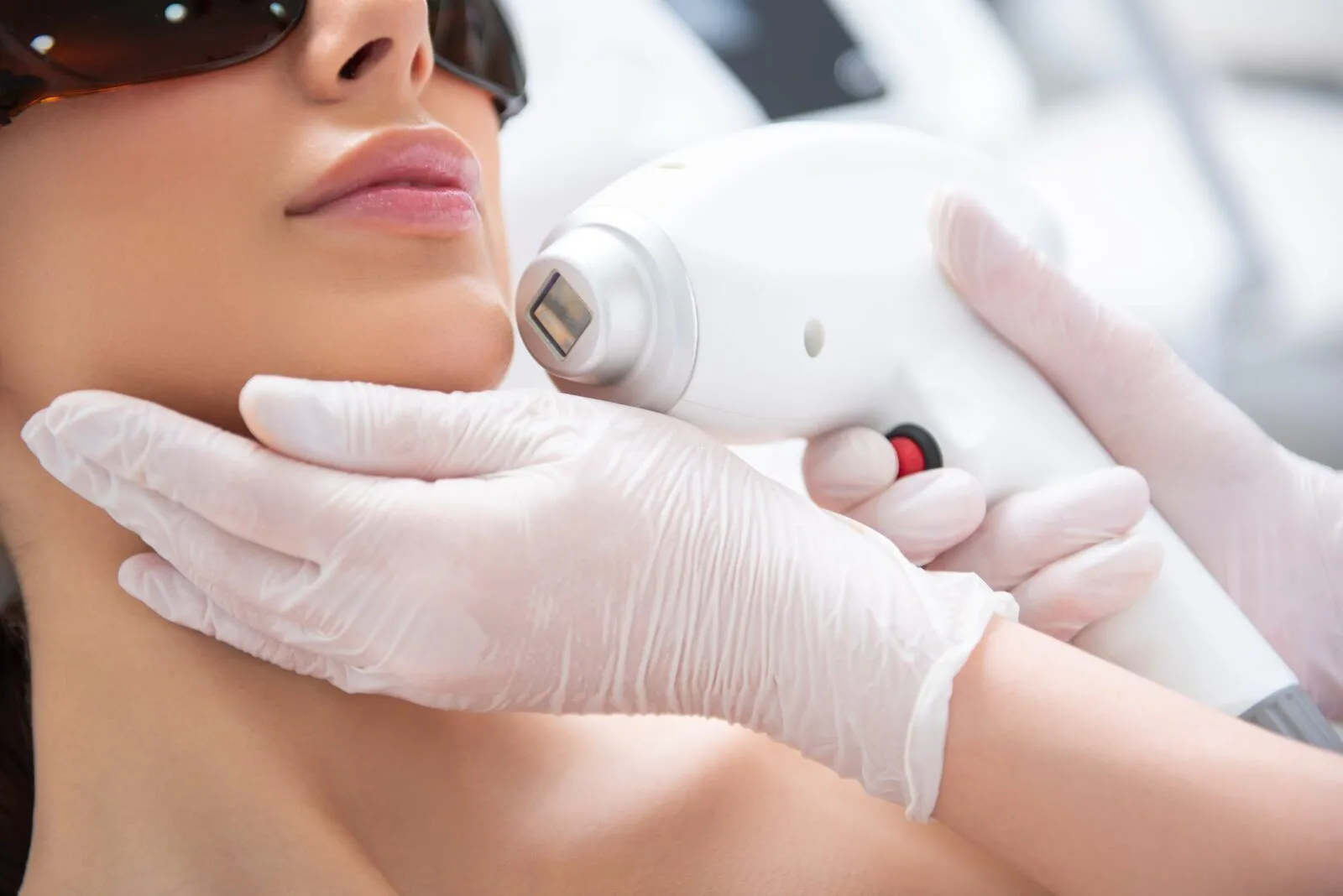
Embarking on the journey of pigmentation laser treatment usually begins with a consultation. This is when a skincare specialist will take a close look at the pigmentation, understand its type and cause, and chart out a treatment plan. The actual laser session might remind you a bit of a spa day, except with some fancy equipment. Protective eyewear on, you’ll feel a series of light pulses on your skin. Some describe it as tiny rubber band snaps. It’s quick and, for most, only mildly uncomfortable.

Post-treatment, it’s essential to pamper the skin a bit. Mild redness is common, but think of it as the skin’s way of saying it’s working on healing. Sun protection becomes your best friend because the treated skin can be sensitive to sunlight. With a few sessions, many notice a significant reduction in their pigmentation, revealing clearer, more radiant skin underneath.

Is It for Everyone?

While pigmentation laser treatment is genuinely transformative, it’s not a one-size-fits-all solution. Different skin tones and types, the depth of the pigmentation, and its cause can all influence the treatment’s effectiveness. For some, the laser works wonders, while others might need a combination of treatments for the best results. It’s crucial to have an open conversation with the skincare specialist to understand what to expect.

In Conclusion: Towards Brighter, Even-Toned Skin

Our skin tells our story – from the adventures under the sun to the tales of time. Pigmentation is just a chapter in that story, not the entire narrative. With advancements like pigmentation laser treatment, we now have the tools to edit out some of these blemishes, giving us a clearer, brighter canvas. It’s not just about vanity but also the confidence that comes with feeling good in one’s skin. While it might not be the magical eraser we all dream of, it’s a significant step closer to achieving the skin of our dreams. As with all things skin-related, patience, care, and professional guidance are key. With these in hand, that dream of flawless skin is well within reach.

read more
Health

Whey Protein Price & Nutritional Value: 6 Tips To How To Compare Them

When it comes to fitness and building a healthy lifestyle, protein plays a crucial role. Whey protein, in particular, has gained popularity as a convenient and effective supplement for muscle recovery and growth.

However, with the plethora of options available in the market, it can be overwhelming to choose the right whey protein that aligns with your nutritional goals and budget.

In this article, we will explore the factors to consider when comparing whey protein prices and nutritional values to help you make an informed decision.

  1. Protein Content

The protein content is a vital aspect to evaluate when comparing whey protein options. It determines the effectiveness of the supplement in supporting muscle development and recovery. Look for the protein content per serving or per 100 grams on the product label. Opt for whey protein powders that have a high protein percentage and minimal fillers or additives. A protein content of 20-25 grams per serving is generally considered optimal for most individuals.

  1. Protein Source

Understanding the origin of whey protein is crucial because it can significantly influence its quality and effectiveness. Whey protein, derived from milk, is available in three primary forms: whey protein concentrate, whey protein isolate, and whey protein hydrolysate. WPC contains a moderate amount of protein along with small quantities of lactose and fat. WPI undergoes additional processing to eliminate lactose and fat, resulting in higher protein content. WPH is pre-digested and quickly absorbed by the body. When deciding between these options, it is important to take into account your dietary restrictions, budget, and personal preferences.

  1. Manufacturing Process

The manufacturing process of whey protein can influence its quality. Look for brands that employ advanced filtration techniques to ensure the removal of impurities, such as heavy metals and contaminants. Cold-processed whey protein is generally considered superior as it preserves the protein’s integrity and bioavailability. Additionally, some brands use cross-flow microfiltration or ion exchange processes to enhance the protein concentration and remove unnecessary components.

  1. Added Ingredients and Flavors

Many whey protein powders come in various flavors and may include additional ingredients such as sweeteners, artificial flavors, and thickeners. While these can enhance the taste, they might not align with your dietary preferences or health goals. Read the ingredient list carefully while checking for whey protein price and opt for products with minimal additives and natural flavorings. Choose unsweetened or stevia-sweetened options if you want to avoid excessive sugar intake.

  1. Price Comparison

Whey protein price is an important factor when comparing whey protein options. However, it should not be the sole determining factor. Cheaper products may compromise on quality and contain inferior protein sources or excessive fillers. Conversely, expensive options might not necessarily provide better results. Compare the protein content, quality, and overall value for money before making a decision. Look for deals, discounts, or bulk purchase options to maximize your savings without compromising on quality.

  1. User Reviews and Reputation

Before finalizing your protein check whey protein price, consider the reputation and user reviews of the brand and product. Look for feedback from other consumers who have tried the specific product you are considering. Their experiences can provide insights into the taste, mixability, and effectiveness of the protein powder. Check reputable online platforms, fitness forums, and social media groups for honest reviews.

Conclusion

Choosing the right whey protein that aligns with your nutritional needs and budget requires careful consideration. Evaluate the protein content, source, manufacturing process, added ingredients, price, and user reviews to make an informed decision. Remember that the quality and effectiveness of whey protein are crucial factors, alongside price, when it comes to achieving your fitness and health goals. By considering these tips, you can confidently compare different whey protein options and select the one that best suits your needs. Prioritize your health and fitness journey by making an educated choice in your whey protein selection.

read more
1 4 5 6 7 8 19
Page 6 of 19