2025

Exercise

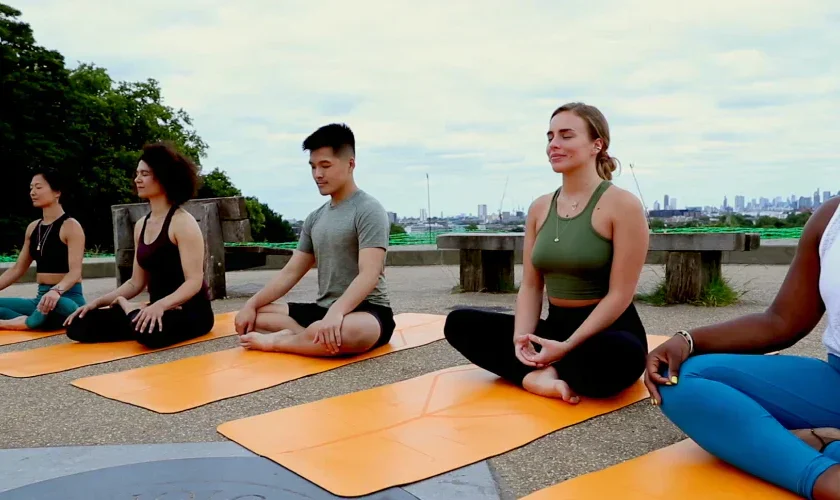
The Rise of Community-Focused Yoga Classes Near You

When people search for yoga classes near me, they are often looking for more than just a workout. In today’s world, where digital connections dominate and personal interactions are limited, the human need for real-life community and support has only grown stronger. That’s where community-focused yoga classes come in.

In Singapore, a new wave of yoga studios is reshaping the experience by blending wellness with connection. These classes create a sense of belonging and unity, allowing practitioners to grow together, share challenges, and uplift one another. This article explores how community-driven yoga is transforming the way people approach their health and lifestyle.

Why Community Matters in Yoga Practice

Yoga, at its core, is not just a personal journey but also a shared one. The traditional practice of yoga emphasises unity, which is exactly what these community-centred classes aim to recreate. Whether you’re new to yoga or a seasoned practitioner, the presence of a like-minded group can significantly enhance your experience.

Key reasons why community-based yoga thrives:

  • Encouragement from peers improves consistency

  • Shared progress creates a motivational environment

  • Group energy boosts emotional and mental wellness

  • Social support helps newcomers overcome anxiety or self-doubt

Characteristics of Community-Focused Yoga Classes

These classes are designed to welcome people of all ages, backgrounds, and fitness levels. They focus on inclusivity and collective growth rather than just individual performance.

Here’s what makes them unique:

1. Emphasis on Group Interaction

Instructors often incorporate moments of partner yoga, circle sharing, or group breathing exercises. This not only builds trust but also encourages communication among participants.

Example: Before and after class, students may take part in short check-ins or gratitude sharing sessions that build emotional bonds over time.

2. Regular Group Events and Activities

Community yoga studios in Singapore often extend their activities beyond regular classes. These may include:

  • Wellness talks and guest speaker events

  • Yoga picnics or park sessions

  • Charity-driven yoga classes

  • Monthly themed gatherings or potlucks

These events allow students to connect outside the classroom, which strengthens the sense of community and continuity.

3. Support for Newcomers

Beginners can feel intimidated by yoga’s complex postures and unfamiliar terms. Community-focused classes often feature orientation sessions, beginner-friendly modifications, and mentorship opportunities to help new members integrate comfortably.

Studios may offer:

  • Buddy programmes to pair new students with regulars

  • Introduction classes that teach yoga basics

  • Group WhatsApp chats for motivation and updates

Benefits of Joining a Yoga Community Near You

Attending a local yoga studio that encourages community involvement can lead to more than just physical benefits.

Emotional and Mental Health Support

In a connected community, you’re more likely to share your personal challenges and feel heard. Yoga classes that focus on emotional wellness create safe spaces to decompress, especially during stressful times.

Real-life example: During the pandemic, several studios in Singapore began offering hybrid classes with post-session check-ins to maintain emotional support networks among members.

Accountability and Routine

When others notice your absence, it motivates you to show up. Having familiar faces in class builds accountability, which is especially helpful for those struggling to maintain consistency.

Building Long-Term Friendships

Many lifelong friendships begin on the mat. The shared journey of self-improvement often translates into deeper personal connections outside class. This is especially meaningful for expats or newcomers to Singapore who are looking to build a social circle.

Where to Find Community-Based Yoga Classes in Singapore

When looking up yoga classes near me, explore studios or instructors who highlight community as part of their teaching philosophy. These spaces often:

  • Mention inclusivity, unity, or group bonding in their class descriptions

  • Share student testimonials or community photos on social media

  • Host free events or classes in parks or HDB rooftops

You can also find many community-oriented yoga groups through local Meetup listings, community centre boards, or university wellness clubs.

Online Communities That Support In-Studio Practice

Some studios enhance the in-person experience with private online forums, Telegram channels, or Facebook groups. These platforms help members:

  • Share class reflections or photos

  • Stay informed on upcoming events

  • Participate in challenges like 30-day yoga streaks

Hybrid support means you never feel disconnected, even when travelling or taking a short break from studio practice.

What to Expect During Your First Community Yoga Class

For first-timers, joining a new community might feel a bit intimidating. However, community-based yoga instructors are trained to create a welcoming and warm environment from the moment you step in.

Here’s what you can expect:

  • Warm greetings and introductions

  • Ice-breaker activities or simple group games

  • Group breathing or chanting at the start of class

  • Encouraging feedback during the session

Most importantly, there’s a focus on how you feel rather than how you perform.

Inclusivity and Accessibility

Community yoga classes often welcome people who may otherwise feel excluded from mainstream fitness culture, such as:

  • Seniors or retirees

  • Pregnant women or new mothers

  • Persons with physical limitations

  • Those managing emotional trauma or grief

Studios may even collaborate with NGOs to offer free classes for underserved communities or host special awareness-themed sessions (e.g., yoga for mental health month).

The Role of Instructors in Building Community

A great instructor doesn’t just teach yoga poses. They build safe, engaging spaces where people can thrive together. In community-focused settings, instructors often:

  • Learn students’ names and backgrounds

  • Follow up on progress or well-being

  • Offer small gestures like handwritten notes or birthday shoutouts

This level of attention turns a simple class into a transformative experience.

Real-Life Story: A Community That Heals

Daniel, a 47-year-old logistics manager in Singapore, began yoga as a way to manage his high blood pressure. After searching for yoga classes near me, he found a small neighbourhood studio with a strong community vibe. Initially hesitant, Daniel was soon welcomed into the group and started attending classes regularly.

Over time, he became part of their evening walking club and attended weekend yoga picnics. His health improved, but so did his outlook on life. “I didn’t realise how much I needed people,” he said. “Yoga helped me heal physically, but the community healed my spirit.”


Frequently Asked Questions

Q. How can I tell if a yoga studio promotes community-focused classes?
A. Look at their class descriptions and social media. Studios that host events, share group photos, and use words like “inclusive”, “supportive”, or “family” are likely focused on community.

Q. I’m new to yoga and not very flexible. Will I feel left out?
A. Not at all. Community-based yoga classes are designed for all levels. They emphasise support and group energy over perfection or flexibility.

Q. What if I’m shy or introverted?
A. You can still benefit from the group energy without being forced into uncomfortable interactions. Most community studios allow people to engage at their own pace and comfort level.

Q. Are there free community yoga classes in Singapore?
A. Yes. Keep an eye out for sessions in local parks, community centres, or public spaces. Many instructors offer donation-based classes or special events open to all.

Q. Can I bring a friend to community yoga classes?
A. Absolutely. Bringing a friend can help you feel more at ease, and it aligns perfectly with the social spirit of community-based yoga.


read more
Beauty

The Complete Guide to Beauty: Understanding What Shapes Modern Personal Care

Beauty has always been a central part of human culture, but today it plays a more influential role than ever before. People across the United States invest time and effort into building routines that support confidence, wellness, and long-term skin and body health. The concept of Beauty has expanded beyond surface-level appearance. It now represents a broader commitment to self-care, emotional well-being, and conscious lifestyle choices. As individuals continue exploring new ways to enhance their natural features, understanding the science, psychology, and real-world practices behind beauty becomes increasingly important.

In modern society, Beauty is shaped by personal expression, innovation in skincare science, environmental awareness, and a renewed focus on holistic wellness. Instead of relying solely on trends, many people are taking an evidence-based approach, choosing products and habits that support the skin’s biology and long-term health. This shift has led to a growing demand for actionable information, personalized routines, and realistic strategies that create lasting and meaningful results.

How Beauty Is Defined Today

The definition of beauty changes with time, culture, and social influences. Today, beauty is rooted in confidence, authenticity, and a commitment to personal well-being. It includes the condition of the skin, the clarity of the complexion, the way someone carries themselves, and the lifestyle choices that influence physical appearance.

Personal expression

Beauty begins with individuality. People express themselves through hair styling, makeup, fashion, and skincare choices that reflect their personality. This expression helps build confidence and strengthens self-identity.

Health and wellness

Modern beauty connects closely with personal health. Clear skin, healthy hair, and an energized appearance often reflect internal balance. Factors such as sleep quality, nutrition, hydration, and stress management all contribute to how someone looks and feels.

Lifestyle influence

Daily habits impact appearance more than most people realize. For example:

  • The amount of water consumed each day
  • Time spent outdoors
  • Quality of skincare products applied
  • Frequency of physical activity
  • Environmental exposure to pollutants

These elements shape the long-term condition of the skin and overall appearance.

The Science Behind Skin and Beauty

Healthy skin forms the foundation of many beauty routines. In order to build an effective personal care strategy, it helps to understand how the skin functions and what it needs to thrive.

Skin structure

Human skin includes three primary layers:

  • Epidermis: The surface layer responsible for cell turnover and protection
  • Dermis: The middle layer that contains collagen, elastin, and hydration components
  • Subcutaneous layer: The deepest layer storing fat and regulating temperature

Each layer performs essential tasks that influence complexion, elasticity, smoothness, and radiance.

Hydration and moisture balance

Skin hydration determines softness, resilience, and its ability to repair itself. Water content decreases with age, environmental exposure, and improper care. When hydration levels drop:

  • Fine lines appear more visible
  • Skin becomes dull
  • Irritation increases
  • The barrier weakens

A strong routine restores moisture with ingredients like hyaluronic acid, ceramides, and glycerin.

Collagen and elasticity

Collagen keeps the skin firm and smooth, but levels naturally decline over time. Factors like stress, UV exposure, and poor dietary habits speed up collagen breakdown. Supporting collagen requires nourishment through protein-rich foods, UV protection, and skincare ingredients that encourage natural production.

Essential Components of a Healthy Beauty Routine

The most effective beauty routines combine consistency, informed product choices, and an understanding of personal skin needs.

Cleansing

Every routine begins with proper cleansing. A good cleanser removes dirt, makeup, oil, and pollutants without stripping away natural moisture. Over-cleansing can irritate the skin, while under-cleansing may cause buildup. Choosing the right formula ensures balanced and healthy skin.

Key considerations when choosing a cleanser

  • Skin type
  • Sensitivity level
  • Water hardness in your local area
  • Daily exposure to pollutants or sweat

A balanced cleanser prepares the skin to absorb nutrients from the next steps of your routine.

Exfoliation

Exfoliation helps remove dead skin cells that accumulate on the surface. When these cells build up, they block pores, dull the complexion, and prevent products from working effectively. Gentle exfoliation encourages smoother texture and a brighter appearance.

Types of exfoliation

  • Chemical exfoliation using ingredients like AHAs or BHAs
  • Physical exfoliation with mild scrubs or tools
  • Enzyme exfoliation derived from natural fruit enzymes

Choosing the correct method depends on how sensitive your skin is and the level of exfoliation needed.

Moisturizing

Moisturizers maintain hydration, strengthen the barrier, and help the skin retain its natural balance. Without proper moisture, the complexion may look uneven or inflamed.

Benefits of a strong moisturizer

  • Smooths rough areas
  • Minimizes water loss
  • Supports healing
  • Protects the skin from environmental damage

Lightweight options suit oily skin, while rich creams benefit individuals with dry or mature skin.

Sun protection

Daily sun protection is one of the most important steps in any beauty routine. Sun exposure ages the skin faster than any other environmental factor. Using sunscreen every day helps prevent discoloration, dryness, and visible signs of aging.

Beauty From Within: How Nutrition Shapes Your Appearance

Food choices directly influence skin clarity, hydration, and overall vitality. Consuming nutrient-rich meals supports both internal health and outward appearance.

Key nutrients that promote beauty

  • Vitamin C for collagen formation
  • Omega 3 fatty acids for reducing inflammation
  • Antioxidants from fruits and vegetables to protect against free radicals
  • Protein to support skin repair

Hydration’s role

Water helps regulate body temperature, deliver nutrients, and flush toxins. Hydrated skin looks fuller, smoother, and naturally radiant. Many people do not drink enough water daily, which affects appearance more than they realize.

The Role of Sleep in Beauty

Sleep quality determines how refreshed and healthy someone looks. During rest, the body repairs damaged cells, balances hydration, and restores vital processes that influence appearance.

What happens when you sleep

  • Collagen production increases
  • Skin repairs environmental damage
  • Hormone levels stabilize
  • Puffiness reduces
  • The complexion becomes more even

Lack of sleep often leads to dark circles, dull tone, and increased breakouts.

Environmental Influence on Beauty

Environmental factors significantly affect skin and appearance. Outdoor conditions, climate, and stress levels contribute to premature aging and irritation.

Major environmental stressors

  • UV radiation
  • Air pollution
  • Dry indoor heating
  • Chlorine in swimming pools
  • High humidity

Learning how to protect the skin from these stressors helps maintain long-term beauty and resilience.

Hair Care as a Beauty Essential

Healthy hair contributes strongly to overall beauty. From texture to shine, the condition of hair reflects lifestyle choices, nutrition, and proper care routines.

Factors affecting hair health

  • Scalp condition
  • Hormonal balance
  • Heat styling habits
  • Haircare product quality
  • Genetics

Key haircare practices

  • Use sulfate free cleansers when possible
  • Limit heat styling
  • Choose protective hairstyles
  • Nourish the scalp
  • Maintain balanced nutrition

Psychological Connections to Beauty

Beauty has a deep connection to emotional well-being. Feeling good about appearance can influence confidence, motivation, and overall mental health.

How confidence shapes beauty

People often appear more attractive when they feel comfortable with themselves. Confidence contributes to posture, facial expressions, and overall presence.

Emotional effects of personal care

Developing a beauty routine can:

  • Reduce stress
  • Create structure
  • Encourage mindfulness
  • Increase motivation

Many people use personal care as a daily practice that supports emotional stability.

Frequently Asked Questions

Why does my skin routine stop working after a few months

Skin adapts over time. Environmental changes, weather fluctuations, or stress can also alter its needs. Adjusting product strength or switching specific ingredients can restore effectiveness.

How long does it take for new skincare products to show results

Most products require consistent use for four to twelve weeks. Some ingredients provide quick hydration, but deeper improvements take longer.

Can beauty routines be effective without expensive products

Yes. Effectiveness depends more on consistency and appropriate ingredients than price. A simple routine with proven components often performs better than a complex routine with unnecessary steps.

Why does stress negatively impact my appearance

Stress increases hormone activity, which can lead to breakouts, dryness, and dullness. It may also reduce sleep quality, affecting the skin’s ability to repair itself.

How can I maintain beauty while frequently traveling

Travel disrupts routines. To maintain healthy skin, stay hydrated, cleanse thoroughly, and protect the skin from dry cabin air with a strong moisturizer. Pack travel sized essentials to avoid skipping your routine.

If you want an expanded version on a specific beauty category such as skincare, haircare, or holistic wellness, I can create a tailored article for your goals.

read more
Spa

The Transformative Experience of a Spa: A Complete Guide to Modern Wellness

A spa experience today represents far more than a relaxing afternoon. It has become a holistic environment shaped by modern research, traditional practices, and personalized therapies designed to improve physical, mental, and emotional wellbeing. Whether someone seeks stress reduction, improved skin health, muscle recovery, or deeper restorative benefits, a Spa can play a meaningful role in long-term wellness planning.

Understanding the Purpose of a Spa

A spa is a curated environment that blends therapeutic treatments, soothing ambiance, and specialized services tailored to support overall wellness. Many people visit one for rest and detoxification, yet the modern spa has evolved into a comprehensive wellness hub backed by science, high-quality therapeutic methods, and personalized care.

A well designed spa integrates multiple healing modalities that address the full spectrum of human stress. This approach allows guests to disconnect from daily demands while engaging in treatments that stimulate circulation, enhance oxygen flow, relax muscles, refresh the skin, and stabilize the nervous system.

Key Components That Define an Exceptional Spa Experience

A high level spa environment is defined by its attention to detail, therapeutic integrity, and advanced services. Several elements contribute to the overall effectiveness of the experience.

Holistic Therapy Design

Every spa treatment is created with a specific intention. Some focus on improving circulation, others on relieving tension, and many on rejuvenating the skin. These therapies are supported by skilled professionals who understand human anatomy, pressure points, and relaxation science. A good treatment plan reflects the guest’s physical condition, stress levels, and wellness goals.

Sensory Immersion

The environment plays a powerful role in how the body responds to therapy. Lighting, temperature, aromatherapy, and sound are intentionally coordinated to reduce tension and help the nervous system shift into a restorative state. Natural materials, soft colors, and clean design enhance the sense of calm without distracting the mind.

High Quality Ingredients and Tools

From essential oils to mineral rich water to botanically derived skincare products, quality determines results. Effective spas rely on formulas with proven therapeutic benefits, gentle textures, and ingredients that nourish rather than overwhelm the skin. Tools such as warm stone sets, hydrotherapy baths, or dry salt systems amplify the impact of each service.

Popular Spa Treatments and How They Work

Each spa treatment has a unique purpose and physiological effect. Understanding the science behind these experiences can help users make informed choices that support long-term health.

Massages

Massage therapy remains the cornerstone of many spa menus because of its wide range of benefits. A well executed massage stimulates blood flow, eases muscle stiffness, calms the mind, and enhances mobility.

Swedish Massage

This soothing full body treatment uses gentle strokes to relax tension. It improves oxygen flow and reduces stress hormones, making it ideal for individuals seeking overall relaxation.

Deep Tissue Massage

Designed for chronic tension, this method targets deeper layers of muscle and fascia. It can help correct posture imbalances, reduce repetitive strain, and enhance long term flexibility.

Hot Stone Massage

Heated stones provide targeted warmth that melts tension and promotes deeper relaxation. This type of therapy is especially effective for individuals who carry stress in their back or shoulders.

Facials

Professional facials go far beyond at home skincare. They include analysis, exfoliation, steaming, extraction, masking, and massage techniques designed to improve complexion and skin health.

Hydration Facials

Dry or aging skin benefits from deep hydration treatments that use moisture binding serums and gentle massage to restore glow and elasticity.

Purifying Facials

Individuals with congested or oily skin often experience relief through clarifying masks, steam treatments, and botanical ingredients that balance sebum production.

Hydrotherapy

Water has been used for healing across cultures and eras. Modern spas integrate hydrotherapy into their menus to encourage relaxation, enhance immunity, and improve circulation.

Thermal Baths

Warm water baths infused with minerals can soothe sore muscles, increase blood flow, and reduce joint stiffness.

Cold Plunge Therapy

Cold exposure invigorates the body by activating circulation, tightening pores, and stimulating the immune response.

Body Treatments

These therapies focus on detoxification, exfoliation, and nourishment.

Body Scrubs

Exfoliating scrubs remove dead skin cells and enhance radiance. Natural abrasives like sea salt, sugar, or crushed minerals work with oils to smooth and renew the skin.

Body Wraps

Wraps use ingredients such as seaweed, clay, or botanicals to detoxify the body, improve hydration, and tighten the skin.

Wellness Benefits of Visiting a Spa

Beyond relaxation, a spa session delivers measurable improvements to physical and emotional health.

Stress Reduction

Chronic stress increases cortisol levels, disrupts sleep, and affects emotional stability. Spa treatments encourage deep relaxation that helps lower these hormones, reset the mind, and improve mental clarity.

Improved Circulation

Massage, hydrotherapy, and thermal treatments support healthy blood flow. This boosts oxygen delivery, aids cellular repair, and supports natural detoxification.

Enhanced Skin Health

Professional skincare treatments improve texture, reduce blemishes, enhance hydration, and support collagen production. Regular visits can maintain long term skin vitality.

Muscle Recovery and Mobility

Targeted massages help break down muscle knots, reduce inflammation, and improve range of motion. Athletes and active individuals benefit greatly from these restorative treatments.

Immune Support

Relaxation has a direct impact on immune function. Lower stress levels combined with enhanced circulation help the body defend against illness more effectively.

What to Consider When Choosing a Spa

Not all spas provide the same level of care or results. Several factors should guide your selection to ensure a positive and effective experience.

Professional Expertise

Therapists should be properly trained in anatomy, pressure techniques, and treatment customization. Their communication skills and professionalism are also essential for safety and comfort.

Cleanliness Standards

A spa must maintain strict hygiene practices. Linens should be fresh, tools sanitized, and treatment rooms spotless. Clean facilities indicate professionalism and respect for guests.

Treatment Customization

Every body is different. A quality spa evaluates the guest’s tension patterns, skin condition, and health concerns before designing a treatment.

Environment and Ambiance

The space should feel calm, inviting, and well maintained. Lighting, aroma, temperature, and sound should encourage relaxation without overwhelming the senses.

Service Variety

A diverse treatment menu allows guests to build comprehensive wellness routines. Look for services that include massage, skincare, hydrotherapy, and body treatments to ensure a well rounded experience.

How to Prepare for a Spa Visit

Proper preparation can enhance the benefits of your session and create a smoother, more enjoyable experience.

Hydration Matters

Drinking water before and after treatments helps remove toxins, prevent dehydration, and support circulation.

Avoid Heavy Meals

Eating lightly ensures greater comfort during massages or hydrotherapy sessions.

Communicate Preferences

During intake, notify the therapist of any allergies, injuries, or pressure preferences. Communication ensures safe and effective results.

Arrive Early

Allowing extra time to settle in reduces stress and helps the body shift into a relaxed state before the session begins.

Integrating Spa Wellness Into Daily Life

A spa visit can inspire healthier routines. Many principles used in professional treatments can be applied at home.

Regular Stretching

Simple stretches ease muscle tension and encourage flexibility.

Mindful Breathing

Deep breathing techniques lower stress and improve focus.

Home Skincare Rituals

Consistent cleansing, moisturizing, and exfoliation improve skin health between professional facials.

Warm Baths

Occasional warm baths with salts or essential oils mimic hydrotherapy benefits at home.

FAQs

How often should someone visit a spa for long term benefits

Most people benefit from monthly visits, although individuals with high stress or intense physical activity may benefit from biweekly sessions.

Are spa treatments safe for sensitive skin

Yes, but it is essential to inform the therapist during intake. They can adjust products and techniques to ensure safety and comfort.

Can spa services help with chronic pain

Many people experience significant relief from massages, hydrotherapy, and warm stone treatments. These therapies increase circulation and reduce muscle tension.

What should someone bring to their spa appointment

Most spas provide robes, towels, and slippers. Guests may bring personal skincare products if they prefer, although professional products are typically available.

Is tipping expected at spas

Tipping norms vary, but many guests choose to tip therapists to show appreciation for attentive and skilled service.

If you would like, I can also create additional wellness topics, service descriptions, or spa related guides tailored to a specific audience.

read more
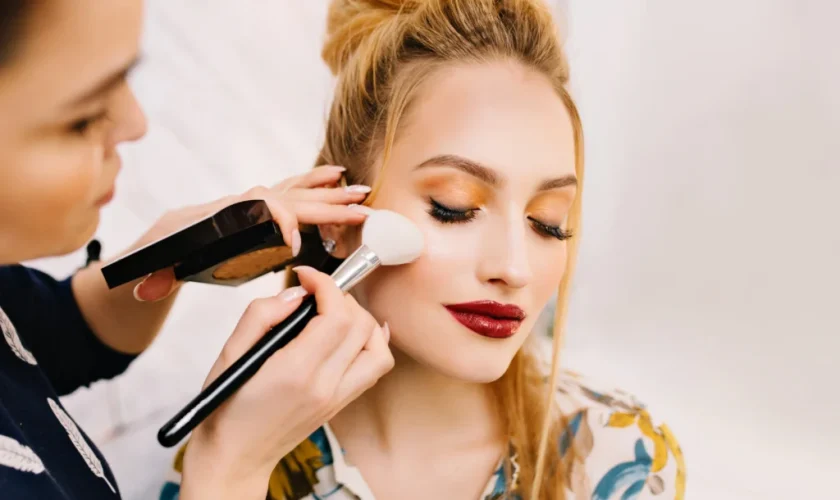
Makeup

The Complete Guide to Makeup: Techniques, Science, Skin Compatibility, and Modern Application Mastery

Makeup has become an essential part of personal expression, confidence building, and everyday appearance enhancement. In the United States, people use Makeup not only to improve how they look but also to convey mood, creativity, and personality. For many, understanding Makeup early in their routine helps them select products that complement their skin type, lifestyle, and desired aesthetic. Rather than relying on trends alone, consumers today want to understand the science behind formulations, the techniques that create long lasting results, and the best practices that protect skin health.

Makeup is both an art and a science. It involves textures, pigments, application strategies, and the interaction between cosmetic ingredients and skin biology. A strong approach requires knowledge, skill, and thoughtful product selection. This article dives into every essential detail needed to master makeup intelligently and effectively, from foundational techniques to advanced artistry, ensuring a complete understanding of how to create looks that hold up in real world conditions while maintaining skin wellness.

How Makeup Interacts With the Skin

Makeup sits on the surface of the skin, but its effectiveness depends heavily on underlying skin conditions. Smooth, hydrated skin improves application and longevity, while dry or oily textures may cause separation, patchiness, or fading.

Skin barrier considerations

The skin barrier controls moisture retention and protects the body from environmental irritants. A strong barrier improves makeup adhesion. When the barrier is compromised, makeup may cling to dry patches or settle into fine lines.

Hydration and oil production

Different skin types affect product behavior:

  • Dry skin often requires creamy or hydrating formulas
  • Oily skin benefits from oil controlling or matte textures
  • Combination skin needs selective application
  • Sensitive skin benefits from gentle, non irritating products

Understanding skin chemistry helps in choosing products that enhance rather than disrupt appearance.

pH balance

Healthy skin has a slightly acidic pH. Harsh cleansers or incompatible products disrupt this balance, making makeup appear uneven. A well balanced skincare routine therefore supports smoother makeup performance.

Essential Makeup Categories and Their Purposes

Modern makeup consists of multiple categories, each playing a specific role in enhancing facial structure, color harmony, and overall complexion.

Primer

Primer creates a base layer that smooths texture, controls oil, and improves longevity. It fills pores, softens lines, and helps foundation adhere evenly.

Types of primer

  • Hydrating primer
  • Mattifying primer
  • Illuminating primer
  • Color correcting primer
  • Pore minimizing primer

Choosing the correct primer sets the tone for the rest of the routine.

Foundation

Foundation evens out complexion and creates a flawless surface. It varies in coverage, finish, and formulation.

Foundation finishes

  • Matte
  • Natural
  • Dewy
  • Satin

Foundation coverage levels

  • Sheer
  • Medium
  • Full

The correct shade and undertone are crucial. Undertones include warm, cool, and neutral.

Concealer

Concealer brightens the under eye, hides blemishes, and corrects discoloration. Its texture and coverage must be chosen based on specific needs.

Common uses for concealer

  • Covering dark circles
  • Hiding acne marks
  • Neutralizing redness
  • Sharpening makeup edges
  • Highlighting facial areas

Setting products

Setting sprays and powders lock makeup in place. Powders control shine and smooth the surface. Sprays bind layers of makeup together to resist smudging.

Eye makeup

Eye makeup frames the face and enhances natural features.

Components of eye makeup

  • Eyeshadow
  • Eyeliner
  • Mascara
  • Brows

Each category impacts the final look’s depth and definition.

Lips

Lip color shapes the tone of the look. Gloss, lipstick, stains, and balms each serve different roles.

Blush, bronzer, and highlight

These complexion enhancers add dimension, warmth, and glow. Without them, makeup can appear flat or unnatural.

Advanced Makeup Techniques

Mastering advanced techniques helps create polished, camera ready looks.

Contouring and sculpting

Contouring uses shadows to define features. It can adjust the appearance of cheekbones, nose structure, jawline shape, and forehead proportions.

Contouring strategies

  • Cream formulas for a natural finish
  • Powder formulas for structured looks
  • Blending techniques to avoid harsh lines

Highlighting

Highlighting creates glow and enhances light reflecting areas.

Key highlight placement

  • Cheekbones
  • Brow bone
  • Nose bridge
  • Cupid’s bow

Proper placement enhances symmetry and balance.

Color theory in makeup

Understanding color theory improves shade selection.

Color theory principles

  • Opposite colors on the color wheel neutralize each other
  • Undertones influence shade matching
  • Warm tones complement gold and peach hues
  • Cool tones complement pink and blue hues

Corrective techniques using color theory

  • Green concealers reduce redness
  • Peach tones correct dark circles
  • Lavender brightens sallow areas

Long Lasting Application Strategies

Makeup longevity depends on prep, technique, and product interaction.

Skin preparation

  • Clean skin
  • Lightweight moisturizer
  • Primer based on skin needs

Layering

Thin layers prevent caking and cracking. Build coverage gradually.

Setting

Powder sets liquids in place. Spray extends wear and prevents transfer.

Tools and Their Impact on Application

Tools determine texture, finish, and blending quality.

Brushes

Brushes vary in density, fiber type, and shape. Dense brushes increase coverage, while fluffy ones soften edges.

Sponges

Sponges create natural, skin like finishes and work well for liquids.

Fingers

Finger application warms creams and allows quick blending for natural looks.

Makeup for Different Skin Types

Different skin types require tailored product selections.

Makeup for oily skin

  • Mattifying primer
  • Oil free foundation
  • Fine milled setting powder
  • Long wear formulas

Makeup for dry skin

  • Hydrating prep
  • Cream and liquid formulas
  • Minimal powder to prevent patchiness

Makeup for sensitive skin

  • Fragrance free options
  • Patch testing new products
  • Avoiding heavy alcohol based sprays

Makeup for Different Age Groups

Aging changes skin texture and elasticity, requiring technique adjustments.

Young adults

Focus on experimentation and foundational technique.

Adults in their 30s and 40s

Prioritize balance between coverage and skin radiance.

Mature skin

Use hydrating formulas, avoid heavy mattes, and emphasize glow.

Makeup Hygiene and Product Safety

Hygiene impacts both skin health and makeup performance.

Essential hygiene practices

  • Regular brush washing
  • Avoiding expired makeup
  • Sanitizing lip and eye products
  • Not sharing personal tools

Risks of poor hygiene

  • Breakouts
  • Eye infections
  • Irritation
  • Product degradation

Makeup and Self Expression

Makeup is not only functional. It is a form of artistic communication.

Emotional influence

Makeup can boost confidence, motivation, and creativity.

Cultural significance

Makeup traditions vary across cultures and hold symbolic meaning.

Professional impact

Polished makeup can enhance workplace presence and personal branding.

Frequently Asked Questions

Why does my makeup separate or break apart during the day

Separation often occurs when skincare products are incompatible with foundation formulas. For example, using a heavy oil based moisturizer under a water based foundation can cause slipping. Adjusting prep products or switching to lighter moisturizers can improve wear time.

How do I find the correct foundation undertone

Observe the veins on your wrist or match foundation to your chest area. Blue or purple veins suggest cool undertones, green veins indicate warm undertones, and a mix signals neutral undertones.

Why does concealer crease under my eyes

Creasing happens when too much product is applied or the under eye area is not hydrated properly. Using a small amount of concealer and lightly setting with powder helps reduce creasing.

How do I keep makeup from looking cakey

Caking occurs from over layering. Using thin layers, blending thoroughly, and avoiding heavy powder application prevent this issue. Hydrating sprays can also melt makeup into the skin for a natural finish.

Can makeup improve the appearance of textured skin

Makeup cannot erase texture, but it can minimize its appearance. Techniques include using smoothing primers, choosing lightweight foundations, and applying powder sparingly. Heavy formulas tend to exaggerate texture.

If you would like a version tailored to beginners, professionals, influencers, or specific skin concerns, I can create a customized makeup guide fitting your goals.

read more
Lifestyle

The Complete Guide to Lifestyle: How Daily Choices Shape Long Term Well Being

Lifestyle affects nearly every aspect of health, mindset, productivity, and personal satisfaction. In the United States, many people search for ways to build a more balanced and meaningful life, yet few realize how significantly their routine influences physical health, emotional resilience, and long term happiness. A strong approach to Lifestyle focuses on consistent habits rather than quick fixes or short lived motivation. In the second paragraph, understanding Lifestyle becomes essential for anyone aiming to create sustainable routines that support long term vitality, mental clarity, and personal growth.

Lifestyle is not defined by a single habit. Instead, it is the combined effect of daily decisions related to nutrition, movement, environment, stress, relationships, work structure, and even recreational activities. These choices determine how effectively someone manages energy, stays healthy, and adapts to challenges. Modern lifestyles increasingly emphasize mental well being, evidence based habits, and mindful living. People are no longer prioritizing just productivity. Instead, they seek routines that support whole body wellness and long term quality of life.

What Lifestyle Really Means Today

Lifestyle refers to how someone lives from day to day. It is shaped by values, environment, responsibilities, and personal goals. People often underestimate the influence of their routines on health outcomes and emotional balance.

Daily structure

The structure of each day reflects lifestyle choices. Sleep patterns, eating times, work hours, and social interactions all form a rhythm that affects the mind and body. Consistency creates stability, while unpredictable routines may increase stress.

Personal values

Values guide decisions that influence lifestyle. For example, someone who prioritizes health will make different choices than someone who values convenience. Recognizing personal values helps build a lifestyle aligned with authentic needs.

Environmental influence

The environment shapes habits. People who live in walkable neighborhoods often exercise more. Those working in high stress environments may need stronger mental wellness routines. Even home organization affects emotional clarity.

Cultural and social factors

Cultural traditions, family expectations, and social influences guide lifestyle decisions. Celebrations, food preferences, communication styles, and daily customs reflect unique cultural backgrounds.

Core Components of a Healthy Lifestyle

A strong lifestyle focuses on sustainable habits that support daily performance and long term well being.

Nutrition and nourishment

Proper nutrition fuels energy, mental focus, and immune function. It plays a major role in mood regulation and metabolic health.

Foundations of effective nutrition

  • Balanced meals with protein, whole grains, and vegetables
  • Consistent hydration
  • Reduced intake of processed foods
  • Listening to hunger signals
  • Avoiding extreme diets

Importance of mindful eating

Mindful eating encourages people to slow down, enjoy meals, and recognize genuine hunger versus stress driven cravings. This reduces overeating and improves digestion.

Physical activity as part of lifestyle

Movement is a daily necessity. It influences cardiovascular health, metabolic balance, and emotional wellbeing.

Key forms of activity

  • Walking
  • Strength training
  • Stretching
  • Recreational sports
  • Low impact activities

Even light movement throughout the day benefits circulation and reduces stiffness.

Integrating movement naturally

Rather than scheduling long workouts, people can adopt lifestyle habits like taking stairs, parking farther away, or walking during phone calls.

Sleep and rest

Restorative sleep is one of the most overlooked pillars of lifestyle. Quality sleep repairs tissues, restores mental clarity, and regulates emotions.

Sleep supporting behaviors

  • Keeping a consistent bedtime
  • Limiting heavy meals late at night
  • Creating a dark, quiet environment
  • Reducing screen time before bed

Poor sleep disrupts hormone balance, increases stress, and affects daily performance.

Stress management

Chronic stress weakens immunity, disrupts digestion, and influences mood. A healthy lifestyle includes strategies for managing stress naturally.

Effective stress relief practices

  • Deep breathing techniques
  • Nature walks
  • Journaling
  • Relaxation exercises
  • Time management skills

Stress reduction is not about eliminating challenges but improving how the body responds to them.

Social connection

Humans thrive on connection. Strong relationships boost emotional health, reduce anxiety, and provide a sense of belonging.

Building meaningful connections

  • Spending quality time with loved ones
  • Practicing active listening
  • Creating boundaries
  • Joining community activities
  • Nurturing friendships

Healthy relationships support mental resilience and long term happiness.

Work life balance

Balancing responsibilities with relaxation ensures sustainable productivity without burnout.

Elements of positive work life balance

  • Clear boundaries between work and home life
  • Time for hobbies and rest
  • Regular breaks during the day
  • Organized schedules
  • Realistic workload management

People perform at their best when they feel rested and emotionally supported.

Financial wellness

Financial habits influence stress levels and quality of life. A strong lifestyle includes awareness of spending patterns and financial planning.

Key financial habits

  • Budgeting
  • Saving consistently
  • Avoiding unnecessary debt
  • Planning for emergencies
  • Making thoughtful purchasing decisions

Financial stability supports peace of mind and future security.

Home environment and organization

A well organized home reduces stress and enhances productivity. Clutter can overwhelm the senses and reduce mental clarity.

Improving home environment

  • Keeping frequently used items accessible
  • Maintaining clean spaces
  • Incorporating natural light
  • Using calming scents
  • Designing functional rooms

A supportive home environment strengthens daily routines.

Mindset and personal growth

Mindset shapes lifestyle more than most people realize. A growth mindset encourages continuous improvement, problem solving, and resilience.

Cultivating a strong mindset

  • Setting personal goals
  • Practicing gratitude
  • Engaging in lifelong learning
  • Challenging limiting beliefs
  • Adopting positive self talk

Mental habits play a powerful role in long term wellbeing.

Lifestyle Choices and Long Term Health Outcomes

Lifestyle directly affects longevity, chronic disease risk, and daily comfort.

Physical health impact

Healthy routines reduce risk of:

  • Heart disease
  • Diabetes
  • High blood pressure
  • Weight related conditions
  • Musculoskeletal problems

Movement, diet, and sleep are central to these outcomes.

Mental health impact

Lifestyle also influences mental health through:

  • Stress exposure
  • Social connection
  • Work balance
  • Mindfulness
  • Emotional regulation

Healthy routines support stable mood and stronger cognitive function.

Daily performance

Lifestyle determines:

  • Energy levels
  • Concentration
  • Memory
  • Productivity
  • Motivation

Small daily choices accumulate into substantial long term effects.

Creating a Personalized Lifestyle Strategy

Every person needs a lifestyle tailored to their unique goals and circumstances.

Step one: Identify priorities

People should clarify what areas need improvement, such as sleep, diet, stress, or physical activity.

Step two: Start small

Long term success comes from manageable steps. Small changes are more sustainable than complete overhauls.

Step three: Track progress

Journaling or digital tracking helps identify patterns, progress, and areas that need adjustment.

Step four: Stay adaptable

Lifestyle evolves through different seasons of life. Adjustments are natural, not setbacks.

Frequently Asked Questions

Why do I struggle to maintain healthy habits even when I know what to do

Knowledge and behavior operate differently. Stress, environment, fatigue, and emotional triggers often disrupt healthy intentions. Building structured routines and reducing decision fatigue helps habits stick.

How long does it take to form a new lifestyle habit

Most habits require several weeks of consistent effort. Simpler habits form faster, while complex ones involving emotional triggers take longer. Consistency matters more than intensity.

Is a balanced lifestyle possible with a busy schedule

Yes. Micro habits such as short walks, quick meal planning, or five minute breathing exercises fit into even the busiest routines. Small shifts create meaningful results over time.

Why do I feel overwhelmed when trying to change my lifestyle

Large goals can feel intimidating. Breaking changes into smaller steps prevents overload and increases success. Lifestyle transformation is a gradual process, not an instant shift.

Can lifestyle changes improve chronic fatigue

For many people, balanced nutrition, better sleep routines, hydration, and stress management help reduce fatigue. However, ongoing fatigue may also indicate underlying conditions that require medical evaluation.

If you want a personalized lifestyle blueprint, a focused article on wellness habits, or a detailed guide for a specific age group or life stage, I can create a customized version tailored to your needs.

read more
Acne

Understanding Acne and How to Manage It Effectively

Acne affects millions of people across the United States, and its impact goes far beyond appearance. Although it is often associated with adolescence, this common skin concern can persist well into adulthood. Acne can influence confidence, comfort, and daily routines, which makes understanding its causes and treatments essential. While many people view it as a simple skin irritation, it is actually a complex condition involving inflammation, hormonal activity, and environmental triggers. By learning how acne develops and exploring evidence-based solutions, individuals can take more effective steps toward clearer and healthier skin.

When people first experience Acne, they usually notice clogged pores or inflamed bumps on areas like the face, chest, and back. However, the science behind each breakout is far more detailed. Acne forms when excess oil mixes with dead skin cells, creating blockages within hair follicles. Inflammation then follows, often triggered by bacteria that thrive in this environment. Understanding these mechanisms is the first step toward building a long-term plan that reduces flare-ups and supports skin health naturally and consistently.

What Causes Acne

Many factors contribute to the development of acne. Although each person’s skin is unique, the underlying mechanisms often share similarities.

Hormonal fluctuations

Hormones strongly influence how much oil the skin produces. When hormonal levels shift, oil glands can become more active, producing excess sebum that contributes to clogged pores.

Key periods when hormonal shifts commonly occur include:

  • Puberty
  • Menstrual cycles
  • Pregnancy
  • Times of high stress
  • Certain medical conditions

These shifts can make acne flare-ups more frequent or more severe, especially if the skin is sensitive or prone to inflammation.

Excess oil production

Sebum plays an important role in keeping the skin moisturized, but too much of it can create the perfect environment for acne to form. When oil combines with dead skin cells, pores become blocked, and bumps begin to appear. Oily skin types are especially susceptible, though anyone can experience this issue depending on lifestyle or environmental conditions.

Bacterial involvement

One of the most significant contributors to acne is the presence of bacteria within the pores. When blockages occur, bacteria multiply rapidly. This leads to irritation, redness, and inflammation, often visible in the form of swollen bumps or pimples. Although the bacterial component is natural and present on all skin, it becomes problematic when pores are tight or clogged.

Dead skin buildup

Every day, the skin sheds thousands of dead cells. If these cells do not shed properly, they gather on the surface and inside pores. When combined with oil, they form plugs that prevent airflow and trap bacteria. Keeping the skin clean and encouraging natural exfoliation can dramatically reduce this buildup.

Lifestyle and environmental triggers

Certain behaviors and surroundings can make acne more persistent. Examples include:

  • Frequently touching the face
  • Wearing hats or helmets that trap sweat
  • Using heavy, pore-clogging cosmetics
  • Exposure to humid or polluted environments
  • Intense workouts without proper cleansing afterward

These triggers may seem minor, but over time, they can influence how often acne appears and how severe it becomes.

Key Types of Acne

Not all acne looks alike. Identifying the exact type is useful for creating a targeted treatment strategy.

Whiteheads and blackheads

These are known as comedonal acne.

  • Whiteheads form when a clogged pore stays sealed.
  • Blackheads occur when the pore remains open, allowing the plug to oxidize and darken.

Although they are usually not painful, they can appear in clusters and may lead to inflamed acne if left untreated.

Papules and pustules

These are small inflamed bumps.

  • Papules are red and firm to the touch.
  • Pustules contain visible pus at the top.

Both indicate a moderate level of inflammation and usually require more targeted treatment.

Nodules and cysts

These forms of acne sit deeper within the skin and often cause significant tenderness. They may linger for weeks or months and frequently leave long-term marks if not properly treated. These types of acne suggest a more severe condition that is often linked to hormonal or genetic factors.

Evidence-Based Treatments That Work

Managing acne involves more than washing the face regularly. Effective solutions require a combination of consistent habits, informed product choices, and targeted treatments based on the type and severity of the acne.

Gentle cleansing routines

A consistent cleansing routine helps remove excess oil and prevent buildup. However, harsh scrubbing can worsen irritation. A mild cleanser used twice daily usually provides enough support without stripping the skin. Look for products designed to maintain balance and avoid fragrances and heavy additives.

Topical ingredients with proven benefits

Certain ingredients are widely recognized for improving acne symptoms. These include:

  • Salicylic acid: Helps dissolve dead skin cells that clog pores.
  • Benzoyl peroxide: Reduces bacteria and inflammation.
  • Retinoids: Improve cell turnover and prevent pore blockage.
  • Azelaic acid: Addresses redness, uneven texture, and bacterial activity.

Using these ingredients consistently can support long-term clarity, but it is important to start gradually to avoid irritation.

Supporting the skin barrier

Healthy skin requires a balanced barrier. Overly drying the skin can create more oil production, which leads to further breakouts. A lightweight moisturizer with non-comedogenic properties can help maintain hydration without clogging pores.

Professional treatments

Some acne conditions do not respond fully to over-the-counter solutions. Professional support may include:

  • Light-based therapies
  • Chemical peels
  • Prescription-strength topicals
  • Oral medications
  • In-office extractions

These treatments are tailored to the individual and often deliver faster or more significant results.

Dietary and lifestyle adjustments

While diet is not always the main cause of acne, certain foods can influence inflammation or trigger hormone activity. Many people find improvements when they reduce their intake of:

  • Sugary beverages
  • Excess dairy
  • Highly processed foods
  • Items with a high glycemic index

Good hydration, sleep, and stress management also play supportive roles in keeping the skin clear.

Preventing Future Breakouts

Preventing acne flare-ups is just as important as treating existing ones. A long-term strategy includes both daily habits and environmental awareness.

Consistent skincare habits

The skin responds well to routine. Washing at the same times each day, applying products in the correct order, and avoiding excessive product changes all contribute to stable skin health.

Avoiding pore-clogging products

Makeup, sunscreen, and even hair products can clog pores without proper labeling. Choosing items listed as non-comedogenic greatly reduces the risk of buildup.

Managing sweat and workout routines

Regular exercise benefits overall health, but sweat left on the skin can irritate pores. Washing or using a gentle wipe soon after physical activity helps keep pores clear and reduces inflammation.

Keeping surfaces clean

Items like pillowcases, makeup brushes, and smartphone screens accumulate oil and bacteria throughout the day. Cleaning them regularly helps reduce transfer to the skin.

Understanding Acne Scarring

Once breakouts fade, many people confront marks or texture changes. Acne scars vary widely and require different methods of care.

Post-inflammatory hyperpigmentation

These are dark spots that remain after inflammation. They gradually fade but can take weeks or months. Sun protection is essential during this process because sun exposure intensifies discoloration.

Textural scars

Indentations or raised marks may remain after severe acne. Options for improving these scars include:

  • Microneedling
  • Laser resurfacing
  • Subcision
  • Chemical peels

These techniques restore smoother texture through collagen stimulation or targeted resurfacing.

Frequently Asked Questions

Why does acne sometimes get worse before it gets better during treatment

Some treatments increase cell turnover, bringing clogged material to the surface faster. This temporary phase often appears as a flare-up but usually settles as the skin adjusts.

Can acne occur even if my skin is dry

Yes. Dry skin can still trap dead skin cells, which then combine with small amounts of oil and lead to clogged pores. Hydration is crucial for every skin type.

How long does it take to see improvements from a new acne routine

Most treatments require consistent use for at least 6 to 12 weeks to show visible progress. Patience is essential because the skin needs time to adjust to new ingredients.

Is it true that only teenagers get acne

No. Many adults experience acne well into their 30s, 40s, and even 50s. Hormones, stress, and lifestyle habits all play a role in adult acne.

Do breakouts worsen during certain seasons

Some individuals experience more breakouts during humid summer months due to increased sweat and oil production. Others break out more in winter when dryness triggers skin irritation. Proper seasonal skincare adjustments can help maintain balance.

If you would like this article refined, expanded, or tailored to a specific audience, I can adjust it to fit your goals.

read more
Health

Fast Help When You Need It: San Antonio Potranco Emergency Care

When you’re hurt or sick, quick care saves lives. Wondering where to go for fast help near Potranco Road in San Antonio? Here’s what you need to know about San Antonio Potranco emergency care.

What is San Antonio Potranco Emergency Care?

San Antonio Potranco emergency care means getting help right away when you’re hurt or very sick near Potranco Road. Hospitals and emergency rooms (ERs) in this area are open 24/7. They take care of serious problems like bad cuts, broken bones, chest pain, breathing trouble, or allergic reactions.

If something hurts a lot or feels very wrong, you should not wait. Going to emergency care near Potranco is quick and could even save your life.

Why Go to Emergency Care on Potranco Road?

Emergency rooms on Potranco Road are easy to find. Many are less crowded than downtown hospitals. You can find care fast; the average wait time is less than 20 minutes in most Potranco ERs. In fact, the Texas Department of State Health found the average ER wait in San Antonio is 17.6 minutes.

This is important, because quick care means better results. For example, the American Heart Association says people with heart attacks need treatment within 90 minutes for the best chance. Every minute matters if you have a serious problem.

Potranco ERs have doctors, nurses, and high-tech machines. They do X-rays, blood tests, and even surgery if you need it. In May 2023, a family in Heritage Park went to a Potranco ER after their child fell and hit his head. He got a CT scan, and doctors found a small fracture. They treated him right away, and he went home safely.

What Emergencies Should You Go to Potranco Emergency Care For?

Here are some things you should never wait for:

  • Bad chest pain
  • Trouble breathing
  • Broken bones
  • Head injuries
  • Heavy bleeding
  • Severe allergic reactions
  • Bad stomach pain
  • Passing out or acting confused
  • Poisoning or swallowing things you shouldn’t

A report by the Centers for Disease Control (CDC) says over 130 million people visit ERs in the US each year. About 8% are for life-threatening problems. This shows why having close emergency care is so important.

What Will Happen at Potranco Emergency Care?

First, a nurse will check how urgent your problem is. This is called “triage.” This way, the sickest people get help first.

Next, you may wait a little in the lobby. But, as we said, wait times are usually short.

A doctor or nurse examines you. You might get tests, like X-rays or blood checks. The ER staff will explain what is wrong and what happens next. You might get medicine, a cast, stitches, or even stay at the hospital if needed.

Here’s a real story: In January, a woman in Potranco Ranch had bad stomach pain. She went to Potranco emergency care. Doctors found she had appendicitis and needed surgery. They acted fast, and she had a quick recovery.

How is Potranco Emergency Care Different from Urgent Care?

Urgent care centers treat smaller problems. You go to urgent care for sore throats, small cuts, or fevers.

Emergency care is for very serious health problems. Potranco emergency rooms have different equipment. They help if you’re in danger. If you are ever unsure, it is safest to go to emergency care.

What Should You Bring to the ER?

When you head to San Antonio Potranco emergency care, bring these things:

  • ID card
  • Health insurance card (if you have one)
  • Medicine names you take
  • A parent or adult if you’re a kid

This helps doctors treat you faster.

What If You Don’t Have Insurance?

Don’t worry. By law, all emergency rooms in San Antonio must help you even if you do not have insurance. In Texas, over 4 million people do not have insurance, so you are not alone.

Tips to Stay Safe in an Emergency

  1. Don’t drive if you are very sick or hurt—call 911.
  2. Tell the staff everything that happened.
  3. Stay calm and follow the nurse’s directions.

How to Find San Antonio Potranco Emergency Care

There are several emergency care locations near Potranco Road, such as:

  • Baptist Emergency Hospital Potranco
  • Methodist ER Potranco
  • Westover Hills Emergency Room

You can search “San Antonio Potranco emergency care” on your phone. Or, keep a list of close ER addresses on your fridge.

In 2022, local surveys found over 80% of Potranco residents live within 15 minutes of an ER. This gives you better protection if something goes wrong.

How Can You Be Ready for an Emergency?

Make an emergency plan with your family. Learn the address and directions to the nearest ER. Know how to call 911 and what to say.

According to the American Red Cross, 60% of families do not have an emergency plan. Having one saves time when you need it most.

What to Remember

San Antonio Potranco emergency care gives fast help for serious problems. Don’t wait if you’re really sick or hurt. Quick help can save lives.

read more
Fashion

Spring Style Cheat-sheet: Explore the Aesthetic Impact of a Ruby and Gold Ring

Are you looking to switch up your style game this spring 2025? After all, the refreshing season has fetched a downpour of a brand-new colour palette, mood-lifting vibes and irresistible visuals. The best way to personify the ‘spring trends’ – is to partner up with your personal style; throw in some dazzling tones of the sunny season for some spice!

In this blog, we shall dive into the alluring appeal emanated by gemstone incorporation through springtime jewellery styling. In particular, we shall dissect the majesty embodied by the ruby and gold partnership. Plus, explore a trendy and timeless design of a ruby and gold ring that you can sport on the daily. Its versatility shall also make it the ideal pick for special occasion ensembles!

Get to Know Your New Everyday Jewellery Muse: The Ruby and Gold Ring

The gold and crimson colourway does wonders for the fashionista who wants to stay in touch with her fierce soul while incorporating colours in her springtime wardrobe. She gets to tap into an alternate energy while maintaining a personal perspective on a trendy look. The gold metal meshes perfectly well with the red ruby as both the elements are traditionally connected with similar traits. They both serve as symbols of passion, love, energy, prosperity, positive manifestations, royalty and desire!

The ruby, in particular, is also associated with courage and a brave heart. So, it’s the perfect gift for the self, as a celebration of the ever-fighting soul who must have her way through the harsh world.

Take a look at the ruby and gold muse below so you can already start picturing your springtime outfit directions:

Entwined Hearts Ruby & Gold Ring

Are you feeling inspired by the striking visuals of the ruby and gold ring? The passionate-red ruby is cut into a heart-shaped motif – another trendy feature dominating the hearts of fashionistas this decade. Finding its roots in the Y2K era, when bold heart patterns took over the manic pixie dreams – the symbol is in its redemption arc currently! In the spring of 2025, the motif is just as popular but is styled a little differently.

For example, the fashionista now prefers to sport her heart in a more subtle way. The minimalist trend calls for the stylish incorporation of the heart-shaped motif in a more sophisticated and elegant manner. So, in the next section, we shall discuss some styling tips for the statement ruby and gold ring.

How to Style the Ruby and Gold Ring Uniquely in 2025?

You can get as creative and personal as you want by styling the ruby and gold ring. It is a statement jewel while also being a versatile number which can be worn on the daily. Plus, you can layer it with other finger rings to add more character and depth to the jewellery arrangement.

Here are some unique ways to pair the minimalist ruby and gold ring for spring 2025:

  • As a ‘Pop of Colour’: You can opt for your usual workwear neutrals or go for monochrome picks. Complete the look with the addition of the ruby and gold ring and immediately elevate the overall aura. This shall add a point of interest to the ensemble without ever doing too much. It shall maintain the ‘less is more’ vibe while elevating the intrigue factor, having it soaring high!
  • As a Contrast Colour: You can wear red as a contrast colour. Refer to the colour wheel theory to figure out which colours lie opposite to red in the chart. As shades of green fall on the opposite spectrum, across from red along the colour wheel chart, it shall be the perfect statement complementary colour to make the gem accents stand out all the more!
  • As a Layering Jewel: You can rock the ruby and gold ring as a layering jewel alongside other rings. The rest of the ring options can feature gold, silver, diamonds and even other gemstones. You can opt for other variations of rings or even our primary crimson-gold muse itself, from the TATA-entrusted jewellery brand – Mia by Tanishq! Together with the various accents, witness the emergence of the closest possible image to springtime fervour that can be tangibly, fashionably recreated!

Final Word on Finding the Perfect Ruby and Gold Ring for You

Opting for a ruby and gold ring on its own shall be a bold gesture – simply owing to the iconic stature of the jewellery. It is a showstopper, a focus-retainer and the perfect match for a style enthusiast.  So, you can opt for the gold and ruby ring this spring and be assured of the fact that your #OOTD shall slay no matter what!

Go ahead and add the gold and ruby ring to your cart right away. Feel inspired to curate stunning, personality-rich ring stacks every single day!

read more
Health

How do you prepare your samples for successful amplicon sequencing?

Preparing samples for amplicon-based targeted gene analysis requires specific protocols that differ from other sequencing approaches. This step-by-step guide covers the critical preparation techniques to ensure your samples yield high-quality, bias-free results when using PCR amplification followed by sequencing of specific genomic regions.

Start with pristine DNA

The foundation of any successful amplicon preparation begins with high-quality starting material. For optimal results, extract DNA using methods that minimise fragmentation and contamination. Fresh samples yield better results than archived materials, though properly preserved specimens can still perform well. When extracting DNA specifically for amplicon preparation, avoid harsh mechanical disruption methods that might fragment the DNA below your target amplicon length. Most commercial kits are suitable, but columns that select for high molecular weight DNA often provide better starting material. After extraction, store your DNA in TE buffer or similar stabilising solutions at -20°C with minimal freeze-thaw cycles to preserve integrity.

Master primer design

The success of your experiment hinges on thoughtful primer design. Target-specific primers should flank your region of interest with several critical characteristics:

  • Similar melting temperatures between forward and reverse primers (within 2-5°C)
  • GC content between 40-60% for consistent amplification
  • Minimal secondary structure formation or self-complementarity
  • Sufficient specificity to avoid off-target amplification
  • Compatible with adding sequencing adapters and barcodes

For microbial studies, consider using primers targeting conserved regions flanking variable segments. For human samples, design primers that avoid common SNPS which could create amplification bias. Design shorter amplicons (under 200bp) to improve success rates when working with degraded samples. Testing primers on control templates before proceeding to valuable samples saves time and resources. Consider running gradient PCR to determine optimal annealing temperatures empirically rather than relying solely on theoretical calculations.

PCR optimisation

The amplification step forms the core of amplicon sequencing and requires careful optimisation. Rather than using standard PCR conditions, take time to optimise for your specific targets.

  1. Test multiple polymerase enzymes – high-fidelity versions reduce error rates
  2. Determine optimal cycling conditions through empirical testing
  3. Find the minimum cycle number that yields sufficient product while reducing bias
  4. Validate specificity through gel electrophoresis before proceeding
  5. Include appropriate positive and negative controls with every batch

When optimising, focus on minimising chimaera formation, a common artefact in amplicon preparation. This can be achieved by keeping extension times sufficient for complete amplification, minimising cycle numbers, and using polymerases to reduce chimaera formation.

Purification perfection

After amplification, removing primers, nucleotides, and polymerase is essential. Several purification options work well for amplicon preparations:

  • Magnetic beads offer size-selective purification that can be calibrated to your amplicon length by adjusting the bead-to-sample ratio. A ratio of 1.8:1 (beads) typically recovers most fragments while removing primers effectively. For more stringent size selection, sequential binding with different ratios can isolate particular size ranges.
  • Commercial column-based purification kits provide consistent results but may have lower recovery rates for very short amplicons. Gel extraction offers the most precise size selection but typically results in more significant sample loss and should be reserved for cases where multiple bands are present.

Regardless of method, verify purification success by checking for primer removal using methods like Bioanalyzer or similar fragment analysers that can detect short fragments.

Quantify with precision

Accurate quantification ensures balanced representation when pooling multiple samples. For amplicon libraries, qpcr-based quantification methods that measure only amplifiable DNA provide more reliable results than spectrophotometric methods that measure all DNA regardless of quality.

When working with multiple amplicons of different lengths, remember that molarity (concentration of molecules) rather than mass concentration determines sequencing representation. Calculate molarity based on the concentration and fragment length to ensure proper normalisation before pooling.

The attention to detail during these preparation steps directly translates to higher-quality sequencing data.

read more
Health

The Path to Parenthood With IVF Success

The journey to parenthood can be a rollercoaster of emotions and decisions. For many couples, In Vitro Fertilization (IVF) has become a beacon of hope to start a family. If you find yourself considering IVF as an option, this guide will provide you with useful information and tips to increase your chances of success. Whether you’re just starting your research or are already in the midst of treatment, this guide will help you navigate the path to parenthood with confidence.

First and foremost, it’s essential to do thorough research when choosing a fertility center for your IVF treatment. Look for a clinic that has a proven track record of success and experienced professionals who can guide you through every step of the process. Consider exploring options beyond your local area – places like Bangkok fertility center have gained a reputation for excellence in reproductive medicine, offering cutting-edge treatments in state-of-the-art facilities.

Once you’ve selected a fertility center and decided to proceed with IVF treatment, it’s crucial to prepare both physically and emotionally. Make sure to follow all pre-treatment guidelines provided by your medical team, including healthy lifestyle choices and any necessary medications. Remember that the road to parenthood may not always be smooth, so it’s important to have a strong support system in place to lean on during challenging times.

During your IVF treatment cycle, stay informed about each stage of the process and ask questions whenever you have them. Understanding what is happening within your body can help alleviate anxiety and make the experience more manageable. Trust in the expertise of your healthcare providers at Bangkok fertility center or wherever you choose to undergo treatment – they are there to support you every step of the way.

After completing your IVF cycle, be patient with yourself as you await results. While waiting can be incredibly difficult, try to focus on self-care activities that bring you joy and relaxation. Remember that success rates vary from person to person, so it’s important not to compare your journey with others’. Regardless of the outcome, know that you’ve taken an important step towards achieving your dream of parenthood.

Embarking on an IVF journey can be both challenging and rewarding. By choosing a reputable fertility center like those found in Thailand’s thriving medical tourism industry, staying informed throughout treatment, preparing yourself physically and emotionally, and practicing patience during uncertain times – you are increasing your chances of success on this path to parenthood. Remember that each individual’s journey is unique, but with dedication and perseverance, many couples have found success through IVF treatments. Stay positive, stay informed, and trust in the process as you navigate towards achieving your dream of becoming parents.

read more
1 2 3
Page 2 of 3