
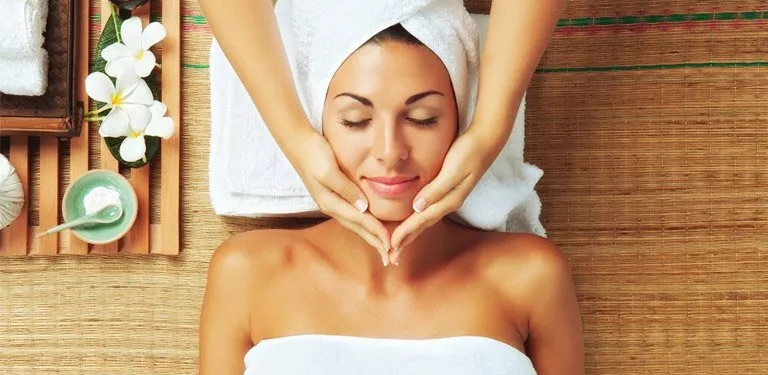
A spa experience today represents far more than a relaxing afternoon. It has become a holistic environment shaped by modern research, traditional practices, and personalized therapies designed to improve physical, mental, and emotional wellbeing. Whether someone seeks stress reduction, improved skin health, muscle recovery, or deeper restorative benefits, a Spa can play a meaningful role in long-term wellness planning.
Understanding the Purpose of a Spa
A spa is a curated environment that blends therapeutic treatments, soothing ambiance, and specialized services tailored to support overall wellness. Many people visit one for rest and detoxification, yet the modern spa has evolved into a comprehensive wellness hub backed by science, high-quality therapeutic methods, and personalized care.
A well designed spa integrates multiple healing modalities that address the full spectrum of human stress. This approach allows guests to disconnect from daily demands while engaging in treatments that stimulate circulation, enhance oxygen flow, relax muscles, refresh the skin, and stabilize the nervous system.
Key Components That Define an Exceptional Spa Experience
A high level spa environment is defined by its attention to detail, therapeutic integrity, and advanced services. Several elements contribute to the overall effectiveness of the experience.
Holistic Therapy Design
Every spa treatment is created with a specific intention. Some focus on improving circulation, others on relieving tension, and many on rejuvenating the skin. These therapies are supported by skilled professionals who understand human anatomy, pressure points, and relaxation science. A good treatment plan reflects the guest’s physical condition, stress levels, and wellness goals.
Sensory Immersion
The environment plays a powerful role in how the body responds to therapy. Lighting, temperature, aromatherapy, and sound are intentionally coordinated to reduce tension and help the nervous system shift into a restorative state. Natural materials, soft colors, and clean design enhance the sense of calm without distracting the mind.
High Quality Ingredients and Tools
From essential oils to mineral rich water to botanically derived skincare products, quality determines results. Effective spas rely on formulas with proven therapeutic benefits, gentle textures, and ingredients that nourish rather than overwhelm the skin. Tools such as warm stone sets, hydrotherapy baths, or dry salt systems amplify the impact of each service.
Popular Spa Treatments and How They Work
Each spa treatment has a unique purpose and physiological effect. Understanding the science behind these experiences can help users make informed choices that support long-term health.
Massages
Massage therapy remains the cornerstone of many spa menus because of its wide range of benefits. A well executed massage stimulates blood flow, eases muscle stiffness, calms the mind, and enhances mobility.
Swedish Massage
This soothing full body treatment uses gentle strokes to relax tension. It improves oxygen flow and reduces stress hormones, making it ideal for individuals seeking overall relaxation.
Deep Tissue Massage
Designed for chronic tension, this method targets deeper layers of muscle and fascia. It can help correct posture imbalances, reduce repetitive strain, and enhance long term flexibility.
Hot Stone Massage
Heated stones provide targeted warmth that melts tension and promotes deeper relaxation. This type of therapy is especially effective for individuals who carry stress in their back or shoulders.
Facials
Professional facials go far beyond at home skincare. They include analysis, exfoliation, steaming, extraction, masking, and massage techniques designed to improve complexion and skin health.
Hydration Facials
Dry or aging skin benefits from deep hydration treatments that use moisture binding serums and gentle massage to restore glow and elasticity.
Purifying Facials
Individuals with congested or oily skin often experience relief through clarifying masks, steam treatments, and botanical ingredients that balance sebum production.
Hydrotherapy
Water has been used for healing across cultures and eras. Modern spas integrate hydrotherapy into their menus to encourage relaxation, enhance immunity, and improve circulation.
Thermal Baths
Warm water baths infused with minerals can soothe sore muscles, increase blood flow, and reduce joint stiffness.
Cold Plunge Therapy
Cold exposure invigorates the body by activating circulation, tightening pores, and stimulating the immune response.
Body Treatments
These therapies focus on detoxification, exfoliation, and nourishment.
Body Scrubs
Exfoliating scrubs remove dead skin cells and enhance radiance. Natural abrasives like sea salt, sugar, or crushed minerals work with oils to smooth and renew the skin.
Body Wraps
Wraps use ingredients such as seaweed, clay, or botanicals to detoxify the body, improve hydration, and tighten the skin.
Wellness Benefits of Visiting a Spa
Beyond relaxation, a spa session delivers measurable improvements to physical and emotional health.
Stress Reduction
Chronic stress increases cortisol levels, disrupts sleep, and affects emotional stability. Spa treatments encourage deep relaxation that helps lower these hormones, reset the mind, and improve mental clarity.
Improved Circulation
Massage, hydrotherapy, and thermal treatments support healthy blood flow. This boosts oxygen delivery, aids cellular repair, and supports natural detoxification.
Enhanced Skin Health
Professional skincare treatments improve texture, reduce blemishes, enhance hydration, and support collagen production. Regular visits can maintain long term skin vitality.
Muscle Recovery and Mobility
Targeted massages help break down muscle knots, reduce inflammation, and improve range of motion. Athletes and active individuals benefit greatly from these restorative treatments.
Immune Support
Relaxation has a direct impact on immune function. Lower stress levels combined with enhanced circulation help the body defend against illness more effectively.
What to Consider When Choosing a Spa
Not all spas provide the same level of care or results. Several factors should guide your selection to ensure a positive and effective experience.
Professional Expertise
Therapists should be properly trained in anatomy, pressure techniques, and treatment customization. Their communication skills and professionalism are also essential for safety and comfort.
Cleanliness Standards
A spa must maintain strict hygiene practices. Linens should be fresh, tools sanitized, and treatment rooms spotless. Clean facilities indicate professionalism and respect for guests.
Treatment Customization
Every body is different. A quality spa evaluates the guest’s tension patterns, skin condition, and health concerns before designing a treatment.
Environment and Ambiance
The space should feel calm, inviting, and well maintained. Lighting, aroma, temperature, and sound should encourage relaxation without overwhelming the senses.
Service Variety
A diverse treatment menu allows guests to build comprehensive wellness routines. Look for services that include massage, skincare, hydrotherapy, and body treatments to ensure a well rounded experience.
How to Prepare for a Spa Visit
Proper preparation can enhance the benefits of your session and create a smoother, more enjoyable experience.
Hydration Matters
Drinking water before and after treatments helps remove toxins, prevent dehydration, and support circulation.
Avoid Heavy Meals
Eating lightly ensures greater comfort during massages or hydrotherapy sessions.
Communicate Preferences
During intake, notify the therapist of any allergies, injuries, or pressure preferences. Communication ensures safe and effective results.
Arrive Early
Allowing extra time to settle in reduces stress and helps the body shift into a relaxed state before the session begins.
Integrating Spa Wellness Into Daily Life
A spa visit can inspire healthier routines. Many principles used in professional treatments can be applied at home.
Regular Stretching
Simple stretches ease muscle tension and encourage flexibility.
Mindful Breathing
Deep breathing techniques lower stress and improve focus.
Home Skincare Rituals
Consistent cleansing, moisturizing, and exfoliation improve skin health between professional facials.
Warm Baths
Occasional warm baths with salts or essential oils mimic hydrotherapy benefits at home.
FAQs
How often should someone visit a spa for long term benefits
Most people benefit from monthly visits, although individuals with high stress or intense physical activity may benefit from biweekly sessions.
Are spa treatments safe for sensitive skin
Yes, but it is essential to inform the therapist during intake. They can adjust products and techniques to ensure safety and comfort.
Can spa services help with chronic pain
Many people experience significant relief from massages, hydrotherapy, and warm stone treatments. These therapies increase circulation and reduce muscle tension.
What should someone bring to their spa appointment
Most spas provide robes, towels, and slippers. Guests may bring personal skincare products if they prefer, although professional products are typically available.
Is tipping expected at spas
Tipping norms vary, but many guests choose to tip therapists to show appreciation for attentive and skilled service.
If you would like, I can also create additional wellness topics, service descriptions, or spa related guides tailored to a specific audience.


