Suit regrets usually show up in real situations, not in the fitting room. A jacket that looked sharp in the mirror can feel a bit off during a long dinner, an outdoor wedding, a work meeting or a full day of travel. And this is the point when the fabric, cut, length and styling choices start to matter.
When choosing tailored suits for men, the fitting should start with where the suit will be worn. Office use, weddings, evening events, travel and formal dinners all place different demands on the jacket, trousers, fabric and details. A suit should not be judged only by how it looks for ten minutes in front of a mirror.
Buying for the wrong occasion
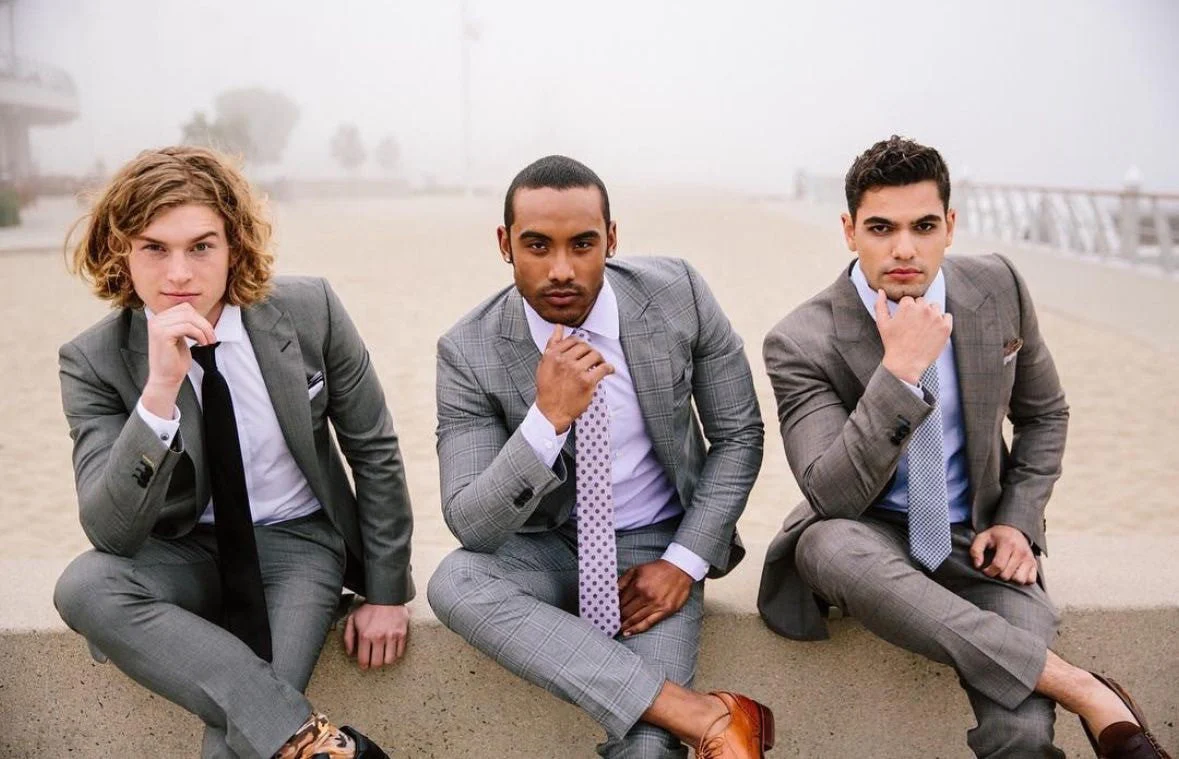
One common mistake is choosing a suit because it looks impressive in isolation. A sharp black suit, a strong check or a very slim cut may look good on the hanger, but that does not mean it suits the event. Business meetings, beach weddings, formal dinners and everyday office wear all need different levels of structure and formality.
This is where the consultation matters. A tailor should understand the setting before recommending the fabric, lapel, lining, buttons and overall cut. A suit for regular work should be comfortable enough for repeated wear. A wedding suit can carry a bit more personality. A tuxedo needs its own details.
Ignoring the climate
A suit that feels fine in air conditioning can become uncomfortable quickly in Bangkok heat. Heavy fabric, tight lining or a cut that gives no room to move can make the suit difficult to wear outside the shop. This is especially important for destination weddings, business travel or events where you may move between indoor and outdoor spaces.
Fabric should be chosen around use, not just appearance. Wool, linen, blends and lighter fabrics all behave differently. Some hold shape better, some breathe better and some crease more quickly. The right choice depends on how often the suit will be worn and where it will be used.
Forgetting movement
A suit is not a statue pose. You need to sit, walk, reach, shake hands and move comfortably. A jacket that looks slim when standing still can pull across the chest or back once you sit down. Trousers that look clean in the mirror can feel tight when walking or sitting for a meal.
A proper fitting should check movement as well as shape. The suit should look clean without feeling restrictive. This is one of the main reasons tailoring is useful, because the fit can be adjusted around the body rather than forced into a standard size.
Leaving details too late
Small details can change the whole suit. Trouser length, sleeve length, button choice, lining, pocket style and lapel width all affect the final look. These choices are often rushed because men focus first on the jacket and fabric.
Shoes also matter. Trouser length should be checked with the type of shoes you plan to wear. A formal shoe, loafer or dress boot can change how the trouser break looks. Getting this wrong can make a good suit look unfinished.
Rushing the process
The worst suit mistakes often come from leaving too little time. A tailored suit needs consultation, measurement, fitting and adjustments. If the suit is for a wedding, business trip or formal event, waiting until the last minute reduces the chance to fix anything properly.
A good suit should fit the body, the event and the climate. The mistakes men notice too late are usually the ones that could have been handled at the start with better questions, a clearer brief and enough time for the suit to be made properly.