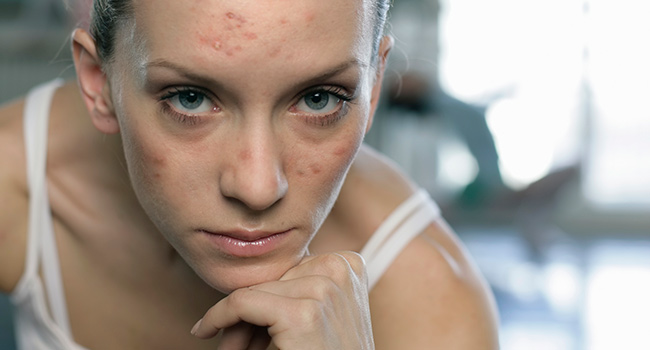

Acne affects millions of people across the United States, and its impact goes far beyond appearance. Although it is often associated with adolescence, this common skin concern can persist well into adulthood. Acne can influence confidence, comfort, and daily routines, which makes understanding its causes and treatments essential. While many people view it as a simple skin irritation, it is actually a complex condition involving inflammation, hormonal activity, and environmental triggers. By learning how acne develops and exploring evidence-based solutions, individuals can take more effective steps toward clearer and healthier skin.
When people first experience Acne, they usually notice clogged pores or inflamed bumps on areas like the face, chest, and back. However, the science behind each breakout is far more detailed. Acne forms when excess oil mixes with dead skin cells, creating blockages within hair follicles. Inflammation then follows, often triggered by bacteria that thrive in this environment. Understanding these mechanisms is the first step toward building a long-term plan that reduces flare-ups and supports skin health naturally and consistently.
What Causes Acne
Many factors contribute to the development of acne. Although each person’s skin is unique, the underlying mechanisms often share similarities.
Hormonal fluctuations
Hormones strongly influence how much oil the skin produces. When hormonal levels shift, oil glands can become more active, producing excess sebum that contributes to clogged pores.
Key periods when hormonal shifts commonly occur include:
- Puberty
- Menstrual cycles
- Pregnancy
- Times of high stress
- Certain medical conditions
These shifts can make acne flare-ups more frequent or more severe, especially if the skin is sensitive or prone to inflammation.
Excess oil production
Sebum plays an important role in keeping the skin moisturized, but too much of it can create the perfect environment for acne to form. When oil combines with dead skin cells, pores become blocked, and bumps begin to appear. Oily skin types are especially susceptible, though anyone can experience this issue depending on lifestyle or environmental conditions.
Bacterial involvement
One of the most significant contributors to acne is the presence of bacteria within the pores. When blockages occur, bacteria multiply rapidly. This leads to irritation, redness, and inflammation, often visible in the form of swollen bumps or pimples. Although the bacterial component is natural and present on all skin, it becomes problematic when pores are tight or clogged.
Dead skin buildup
Every day, the skin sheds thousands of dead cells. If these cells do not shed properly, they gather on the surface and inside pores. When combined with oil, they form plugs that prevent airflow and trap bacteria. Keeping the skin clean and encouraging natural exfoliation can dramatically reduce this buildup.
Lifestyle and environmental triggers
Certain behaviors and surroundings can make acne more persistent. Examples include:
- Frequently touching the face
- Wearing hats or helmets that trap sweat
- Using heavy, pore-clogging cosmetics
- Exposure to humid or polluted environments
- Intense workouts without proper cleansing afterward
These triggers may seem minor, but over time, they can influence how often acne appears and how severe it becomes.
Key Types of Acne
Not all acne looks alike. Identifying the exact type is useful for creating a targeted treatment strategy.
Whiteheads and blackheads
These are known as comedonal acne.
- Whiteheads form when a clogged pore stays sealed.
- Blackheads occur when the pore remains open, allowing the plug to oxidize and darken.
Although they are usually not painful, they can appear in clusters and may lead to inflamed acne if left untreated.
Papules and pustules
These are small inflamed bumps.
- Papules are red and firm to the touch.
- Pustules contain visible pus at the top.
Both indicate a moderate level of inflammation and usually require more targeted treatment.
Nodules and cysts
These forms of acne sit deeper within the skin and often cause significant tenderness. They may linger for weeks or months and frequently leave long-term marks if not properly treated. These types of acne suggest a more severe condition that is often linked to hormonal or genetic factors.
Evidence-Based Treatments That Work
Managing acne involves more than washing the face regularly. Effective solutions require a combination of consistent habits, informed product choices, and targeted treatments based on the type and severity of the acne.
Gentle cleansing routines
A consistent cleansing routine helps remove excess oil and prevent buildup. However, harsh scrubbing can worsen irritation. A mild cleanser used twice daily usually provides enough support without stripping the skin. Look for products designed to maintain balance and avoid fragrances and heavy additives.
Topical ingredients with proven benefits
Certain ingredients are widely recognized for improving acne symptoms. These include:
- Salicylic acid: Helps dissolve dead skin cells that clog pores.
- Benzoyl peroxide: Reduces bacteria and inflammation.
- Retinoids: Improve cell turnover and prevent pore blockage.
- Azelaic acid: Addresses redness, uneven texture, and bacterial activity.
Using these ingredients consistently can support long-term clarity, but it is important to start gradually to avoid irritation.
Supporting the skin barrier
Healthy skin requires a balanced barrier. Overly drying the skin can create more oil production, which leads to further breakouts. A lightweight moisturizer with non-comedogenic properties can help maintain hydration without clogging pores.
Professional treatments
Some acne conditions do not respond fully to over-the-counter solutions. Professional support may include:
- Light-based therapies
- Chemical peels
- Prescription-strength topicals
- Oral medications
- In-office extractions
These treatments are tailored to the individual and often deliver faster or more significant results.
Dietary and lifestyle adjustments
While diet is not always the main cause of acne, certain foods can influence inflammation or trigger hormone activity. Many people find improvements when they reduce their intake of:
- Sugary beverages
- Excess dairy
- Highly processed foods
- Items with a high glycemic index
Good hydration, sleep, and stress management also play supportive roles in keeping the skin clear.
Preventing Future Breakouts
Preventing acne flare-ups is just as important as treating existing ones. A long-term strategy includes both daily habits and environmental awareness.
Consistent skincare habits
The skin responds well to routine. Washing at the same times each day, applying products in the correct order, and avoiding excessive product changes all contribute to stable skin health.
Avoiding pore-clogging products
Makeup, sunscreen, and even hair products can clog pores without proper labeling. Choosing items listed as non-comedogenic greatly reduces the risk of buildup.
Managing sweat and workout routines
Regular exercise benefits overall health, but sweat left on the skin can irritate pores. Washing or using a gentle wipe soon after physical activity helps keep pores clear and reduces inflammation.
Keeping surfaces clean
Items like pillowcases, makeup brushes, and smartphone screens accumulate oil and bacteria throughout the day. Cleaning them regularly helps reduce transfer to the skin.
Understanding Acne Scarring
Once breakouts fade, many people confront marks or texture changes. Acne scars vary widely and require different methods of care.
Post-inflammatory hyperpigmentation
These are dark spots that remain after inflammation. They gradually fade but can take weeks or months. Sun protection is essential during this process because sun exposure intensifies discoloration.
Textural scars
Indentations or raised marks may remain after severe acne. Options for improving these scars include:
- Microneedling
- Laser resurfacing
- Subcision
- Chemical peels
These techniques restore smoother texture through collagen stimulation or targeted resurfacing.
Frequently Asked Questions
Why does acne sometimes get worse before it gets better during treatment
Some treatments increase cell turnover, bringing clogged material to the surface faster. This temporary phase often appears as a flare-up but usually settles as the skin adjusts.
Can acne occur even if my skin is dry
Yes. Dry skin can still trap dead skin cells, which then combine with small amounts of oil and lead to clogged pores. Hydration is crucial for every skin type.
How long does it take to see improvements from a new acne routine
Most treatments require consistent use for at least 6 to 12 weeks to show visible progress. Patience is essential because the skin needs time to adjust to new ingredients.
Is it true that only teenagers get acne
No. Many adults experience acne well into their 30s, 40s, and even 50s. Hormones, stress, and lifestyle habits all play a role in adult acne.
Do breakouts worsen during certain seasons
Some individuals experience more breakouts during humid summer months due to increased sweat and oil production. Others break out more in winter when dryness triggers skin irritation. Proper seasonal skincare adjustments can help maintain balance.
If you would like this article refined, expanded, or tailored to a specific audience, I can adjust it to fit your goals.