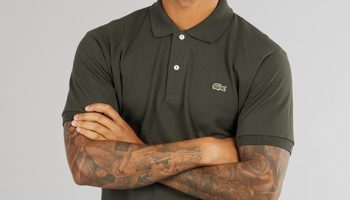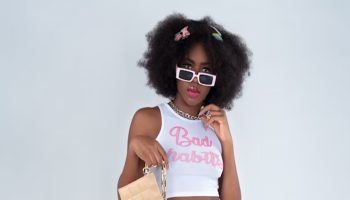

Fashion influences how people express themselves, interact socially, and feel in their everyday lives. In the United States, clothing choices reflect more than trends. They reveal culture, personal values, lifestyle preferences, and creative expression. Many individuals treat Fashion as a powerful tool for communicating identity without saying a single word. In the second paragraph of this article, understanding Fashion becomes essential for anyone seeking to refine their wardrobe, strengthen their personal presence, or navigate a world where style directly affects first impressions and long term confidence.
Fashion continues to evolve as new materials emerge, cultural values shift, and people explore fresh ways to merge comfort with personal expression. Today, style is influenced by sustainability concerns, social media impact, personalization, and a growing appreciation for timeless wardrobe essentials. The modern approach to dressing balances individuality with practicality, encouraging consumers to build wardrobes that reflect who they are and what they need from day to day.
How Fashion Shapes Identity
Fashion is deeply connected to self expression and emotional well being. Clothing choices reveal personality traits, preferences, and lifestyle habits.
Personal expression
People use clothing to express creativity, mood, and individuality. Every choice communicates something subtle or bold about a person’s character. Whether someone prefers sleek lines, casual comfort, or artistic detail, personal style becomes an authentic extension of their identity.
Cultural representation
Fashion reflects cultural heritage through patterns, colors, silhouettes, and fabric choices. Traditional garments, handmade textiles, or symbolic accessories connect people to their roots. Many designers incorporate cultural elements to preserve history while embracing modern aesthetics.
Psychological impact
Clothing influences mood, self perception, and confidence. People often feel more productive in structured outfits or more relaxed in comfortable clothing. Psychologists call this phenomenon “enclothed cognition,” which describes how clothing can shape mental performance.
Key Elements That Influence Fashion
Fashion is more than clothing designs. It is shaped by art, culture, global events, and technological advancements.
Historical influence
Every era contributes something distinctive to modern fashion. The elegance of the 1920s, the bold patterns of the 1960s, and the minimalism of the 1990s each left lasting impressions. Designers reinterpret these elements to create fresh looks that appeal to current tastes.
Technology in fashion
Technology plays a major role in how clothing is produced, marketed, and worn. Examples include:
- Innovative synthetic materials
- 3D printed accessories
- Advanced textile engineering
- Digital fitting tools
These advancements help designers create garments that are more durable, comfortable, and personalized.
Social and economic shifts
Fashion responds quickly to societal changes. Events such as economic downturns or cultural movements influence the colors, shapes, and materials seen in clothing. For instance, periods of economic uncertainty often lead to minimalist or practical designs.
Climate and environment
Regional climates guide everyday clothing choices. People in colder areas prioritize layering and insulation, while those in warm climates choose breathable fabrics and lightweight silhouettes. Environmental awareness also encourages demand for long lasting materials.
Building a Wardrobe With Purpose
A strong wardrobe blends practicality, personal style, and comfort. Instead of chasing trends, many people now focus on curated clothing that fits their needs.
Start with foundational pieces
Foundational items create the base for most outfits. These include:
- Neutral tops
- Well fitted jeans
- Tailored jackets
- Versatile dresses
- Quality footwear
These staples make it easier to combine and create cohesive looks.
Focus on fit
Fit influences how clothing feels and looks. Even the most stylish design loses value if it fits poorly. Elements to consider include:
- Shoulder alignment
- Hem length
- Waist placement
- Arm and leg mobility
Tailoring can transform a good outfit into a great one by adjusting proportions to match body shape.
Understand fabric quality
Fabric determines comfort, durability, and long term value. High quality fabrics maintain shape, resist pilling, and feel better against the skin.
Common high quality fabrics include:
- Cotton
- Wool
- Linen
- Silk
- Well engineered blends
Understanding fabric behavior helps consumers choose pieces that last.
Fashion and Body Types
Learning how to dress for individual body structure empowers people to highlight their strengths and build flattering outfits.
Identifying proportions
Proportions matter more than size. People may have broader shoulders, longer torsos, shorter legs, or curvier hips. Recognizing body features helps with choosing silhouettes that enhance natural shape.
Balancing shape
Clothing can create balance through:
- Strategic color placement
- Structure around the waist
- Vertical or horizontal lines
- Neckline shapes
- Length adjustments
These tools help refine overall symmetry.
Comfort with personal style
People feel more confident when clothing aligns with both body type and personal taste. Comfort in style is key to consistent confidence and self expression.
Fashion Trends and Their Evolution
Fashion trends change quickly, but understanding their origins helps consumers make informed choices about which trends to adopt.
Seasonal trends
Fashion shows often predict what will be popular during the upcoming seasons. Designers introduce new color palettes, patterns, and fits that retailers adopt.
Timeless vs temporary trends
Timeless trends remain relevant for decades, while temporary trends fade quickly. Examples of timeless choices include:
- Denim
- Blazers
- Little black dresses
- Clean white shirts
Temporary trends may include printed leggings, neon details, or highly specific cuts that appeal for short periods.
Personalizing trends
Not every trend suits every wardrobe. People can adapt trends by selecting versions that align with their preferences or adjusting small details like colors and accessories.
Accessories That Elevate Style
Accessories complete outfits and help refine personal style. They transform simple clothing into polished and memorable looks.
Jewelry
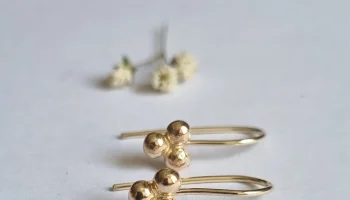
Jewelry adds character to an outfit. Choices range from bold statement pieces to delicate accents that highlight elegance.
Bags
Bags serve functional and aesthetic purposes. Everyday bags prioritize durability and storage, while formal bags focus on structure and style.
Footwear
Shoes define the tone of an outfit. Casual sneakers, structured boots, and classic dress shoes each bring different energy to a look.
Belts, scarves, and hats
These accessories offer opportunities to incorporate color, texture, and personality into clothing choices.
How Fashion Interacts With Sustainability
Sustainability is transforming fashion, influencing fabric choices, production processes, and consumer behavior.
Longevity over quantity
Many people now invest in fewer but higher quality garments. Long lasting items reduce waste and support better capsule wardrobe structures.
Material considerations
Environmentally aware consumers lean toward natural fibers or responsibly engineered synthetics. They also pay attention to transparency in sourcing and manufacturing.
Repair and reuse
Repairing clothing extends its lifespan. Consumers increasingly alter, mend, or repurpose garments instead of discarding them.
Fashion and Professional Life
Clothing influences workplace impressions and helps define professional presence.
Workplace dressing
Every workplace has different expectations, but the principle remains the same. Clothing should:
- Fit well
- Reflect professionalism
- Support comfort throughout the day
Remote work influence
Remote work changed how people dress. Many balance comfort with presentable upper body attire suitable for video meetings.
Building a professional capsule wardrobe
A professional capsule wardrobe minimizes decision fatigue by offering interchangeable pieces that maintain consistency and quality.
Frequently Asked Questions
Why do I feel more confident in certain outfits
Some clothing aligns more closely with personal identity, body comfort, and psychological triggers. When clothes fit well and reflect your personality, confidence naturally increases.
How can I refresh my wardrobe without buying everything new
Start with reorganizing existing clothes. Mix pieces in new combinations, add a few fresh accessories, and consider tailoring items that no longer fit perfectly.
What is the best way to discover my personal style
Observe what outfits make you feel most comfortable and confident. Look for patterns in color, fit, or silhouette. Create a style mood board to clarify preferences.
Is it possible to build a fashionable wardrobe on a budget
Yes. Prioritize essentials, choose versatile pieces, and invest in long lasting fabrics. Thrifting, clearance racks, and selective shopping help create a stylish wardrobe without overspending.
Why do certain fabrics irritate my skin
Some fabrics contain chemical treatments or rough textures that cause sensitivity. Choosing natural fibers or softer blends can reduce irritation and increase comfort.
If you would like a specialized article on personal styling, capsule wardrobes, seasonal fashion, or fashion psychology, I can create a custom version tailored to your goals.